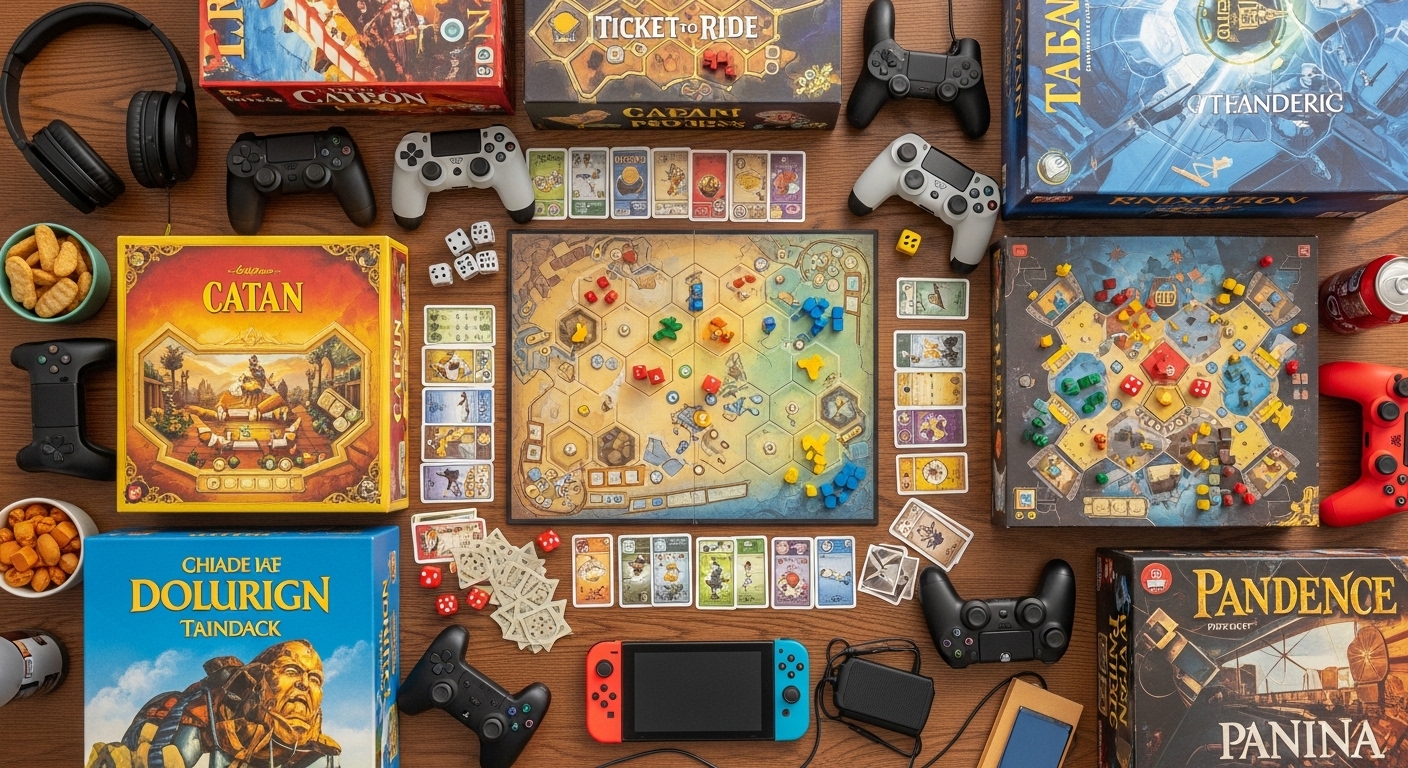






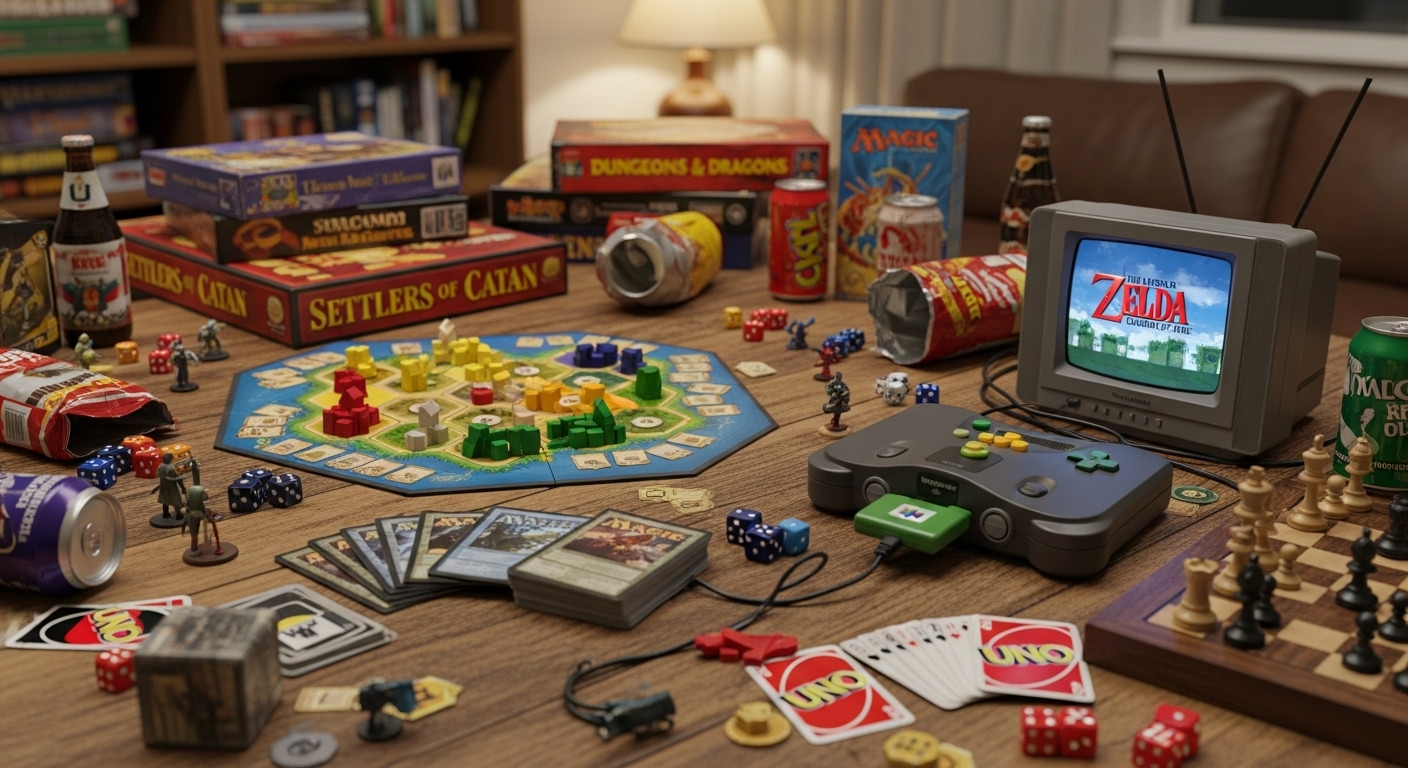
Introduction: The Timeless Power of Play
Games have always been an essential part of human culture. From the ancient civilizations that played board games like Senet and Go to the digital realms of today’s virtual adventures, games have evolved alongside humanity. They are more than entertainment; they are a reflection of creativity, strategy, learning, and social connection. In the modern world, the gaming industry stands as one of the most powerful cultural and economic forces, shaping how people interact, learn, and even earn a living.
In a world increasingly driven by technology, games are not just for fun—they are a way to explore identity, build communities, and push the limits of human imagination. The term “gaming” now covers an incredible range of experiences, from mobile puzzle games and immersive story-based adventures to competitive esports tournaments and open-world simulations.
The Evolution of Games: From Ancient Boards to Virtual Worlds
The history of gaming is as old as civilization itself. Ancient Egyptians played Senet, a game believed to symbolize the journey to the afterlife. In ancient China, Go emerged as a deep and strategic pastime that required foresight and mental discipline. Chess, invented in India, became a timeless symbol of intelligence and tactical thinking.
The twentieth century introduced mechanical and arcade games that redefined leisure. The mid-1900s brought pinball machines and coin-operated arcades, sparking the first gaming revolution. But it was the arrival of home consoles in the 1970s that truly transformed gaming into a global phenomenon. Classics like Pong, Space Invaders, and Pac-Man paved the way for a new kind of entertainment—interactive, dynamic, and endlessly replayable.
By the 1990s, consoles such as the PlayStation and Nintendo 64 introduced 3D graphics and storytelling that rivaled Hollywood films. The arrival of the internet then changed everything again, connecting players across continents and creating the foundations for online multiplayer gaming. Today, with cloud gaming, virtual reality, and AI-driven design, games have reached a level of complexity that once seemed impossible.
The Many Faces of Modern Gaming
Gaming today is a vast and diverse ecosystem that offers something for everyone. There are several major categories that define the landscape of modern play, each with its own culture, mechanics, and communities.
Action Games deliver adrenaline and excitement, requiring quick reflexes and precision. Titles in this genre often involve combat, exploration, and dynamic movement.
Role-Playing Games (RPGs) immerse players in elaborate worlds filled with characters, quests, and moral choices. They allow players to live alternate lives, shape narratives, and explore deep emotional and philosophical themes.
Strategy Games challenge the mind, emphasizing planning and foresight. They appeal to those who enjoy problem-solving, resource management, and competitive thinking.
Sports and Racing Games recreate the thrill of athletic competition, offering both realism and arcade-style fun. Players can experience global sports leagues or race across imaginative tracks at high speeds.
Simulation Games provide realistic or imaginative experiences of real-world activities—from city building and farming to space exploration and social interaction.
Casual and Mobile Games have made gaming accessible to everyone, regardless of age or experience. Their simplicity and convenience make them a cornerstone of daily entertainment for millions of people worldwide.
This diversity ensures that gaming remains inclusive and endlessly engaging, catering to different personalities, skills, and moods.
The Art and Science Behind Game Development
Creating a game is an intricate process that combines art, technology, and psychology. Every great game begins with a concept—an idea that captures imagination. From there, developers craft a world through design, coding, sound, and storytelling.
Game designers shape gameplay mechanics—the rules and interactions that define the player experience. Artists and animators bring characters and environments to life through stunning visuals and fluid motion. Sound designers and composers create immersive atmospheres, ensuring that every footstep, explosion, and melody enhances emotion.
On the technical side, programmers use advanced engines to build the architecture that allows a game to run smoothly. These engines, such as Unreal and Unity, provide the tools needed to render realistic lighting, physics, and AI behavior.
Playtesting is another vital step. Developers rely on feedback to balance difficulty, fix bugs, and refine gameplay. This cycle of creation, testing, and improvement is what transforms an idea into an unforgettable experience.
Modern gaming also involves collaboration between global teams, as developers, artists, and writers from different countries come together to build a unified vision. The result is an art form that combines imagination with innovation, storytelling with science.
The Rise of Esports: Turning Play into Profession
One of the most remarkable developments in recent years has been the rise of esports—competitive video gaming played professionally. What once began as friendly competitions in arcades and college dorms has grown into an international phenomenon with millions of spectators and enormous prize pools.
Games like League of Legends, Dota 2, Counter-Strike, and Fortnite have transformed talented players into global celebrities. Esports tournaments now fill arenas, attract sponsorships, and are streamed live to audiences that rival traditional sports events.
This transformation illustrates a larger shift in how society views gaming. It is no longer dismissed as a simple hobby. For many, it is a viable career path—whether as players, coaches, analysts, streamers, or content creators. The esports ecosystem generates thousands of jobs, promotes teamwork, and encourages excellence through skill and strategy.
The Social Connection: Gaming as a Global Community
One of the most beautiful aspects of modern gaming is its ability to bring people together. Online multiplayer platforms allow players from different countries, languages, and cultures to connect, collaborate, and compete. Whether teaming up to defeat a boss or simply chatting during gameplay, these interactions create bonds that often extend beyond the screen.
Gaming has also become a major driver of online communities. Platforms and chat groups centered around games have become spaces where people share experiences, exchange strategies, and form friendships. For many, gaming is a social lifeline—a place where they can express themselves freely and belong to a like-minded community.
Additionally, streaming and content creation have turned gaming into a shared cultural experience. Watching others play can be as engaging as playing yourself, with millions tuning in daily to follow their favorite creators. This rise of interactive entertainment has redefined how audiences consume media, blending play with personality and performance.
The Psychology of Play: Why We Love Games
The universal appeal of games lies in their ability to stimulate both the mind and the heart. Psychologically, games satisfy fundamental human needs: challenge, achievement, exploration, and social connection. They provide a structured environment where effort leads to reward, giving players a sense of progress and purpose.
Games also serve as emotional experiences. They can evoke joy, excitement, fear, or even sadness through storytelling and design. For many, gaming acts as a stress reliever, a form of escapism that allows players to leave behind daily pressures and enter a world of imagination.
From a cognitive standpoint, gaming can enhance problem-solving skills, memory, and multitasking ability. Strategic games improve analytical thinking, while fast-paced titles sharpen reflexes and decision-making. As long as gaming is practiced in moderation, its mental and emotional benefits are undeniable.
Challenges Facing the Gaming Industry
Despite its incredible success, the gaming industry faces several challenges that demand attention. One major concern is gaming addiction, a problem that affects a small but significant percentage of players. Developers and regulators are working to encourage responsible play and create features that promote balance.
Another challenge is toxic behavior in online spaces. Competitive environments can sometimes lead to harassment and negativity. Many companies are investing in moderation tools and community management to create safer, more welcoming environments for all players.
Representation and inclusivity also remain important topics. As gaming reaches a global audience, developers are striving to include diverse characters, cultures, and perspectives in their stories. This evolution ensures that games reflect the richness of the world and resonate with players from all backgrounds.
Finally, the industry must address issues of monetization and fairness. Microtransactions, loot boxes, and pay-to-win mechanics have sparked debates about ethics and transparency. The future of gaming will depend on balancing profitability with player trust and satisfaction.
The Future of Gaming: Beyond Imagination
As technology continues to advance, the future of gaming holds boundless potential. Virtual reality and augmented reality are creating immersive experiences that blur the line between the real and the virtual. Artificial intelligence will make game worlds more responsive and lifelike, while cloud gaming will eliminate hardware limitations, allowing anyone to play high-quality games from any device.
The concept of the metaverse—a shared virtual space where people can live, work, and play—may redefine what gaming means altogether. Players might one day own digital properties, create their own worlds, and participate in interconnected economies that mirror reality.
Moreover, the fusion of gaming with education, healthcare, and training will make play a powerful tool beyond entertainment. From improving mental health through interactive therapy to teaching problem-solving in classrooms, gaming’s impact will reach far beyond screens.
Conclusion: A World United by Play
Games are far more than a pastime; they are a universal language that transcends borders, generations, and backgrounds. They teach us how to think, collaborate, and dream. From the earliest board games to the most advanced digital worlds, gaming has reflected humanity’s desire for challenge, connection, and creativity.
As we look toward the future, it is clear that games will continue to evolve, pushing the boundaries of what technology and imagination can achieve. They will remain a vital part of human culture—an art form, a science, and a shared experience that brings joy and inspiration to millions.
The universe of games is infinite, and as long as humans continue to dream, there will always be new worlds to explore, new challenges to conquer, and new stories to play.