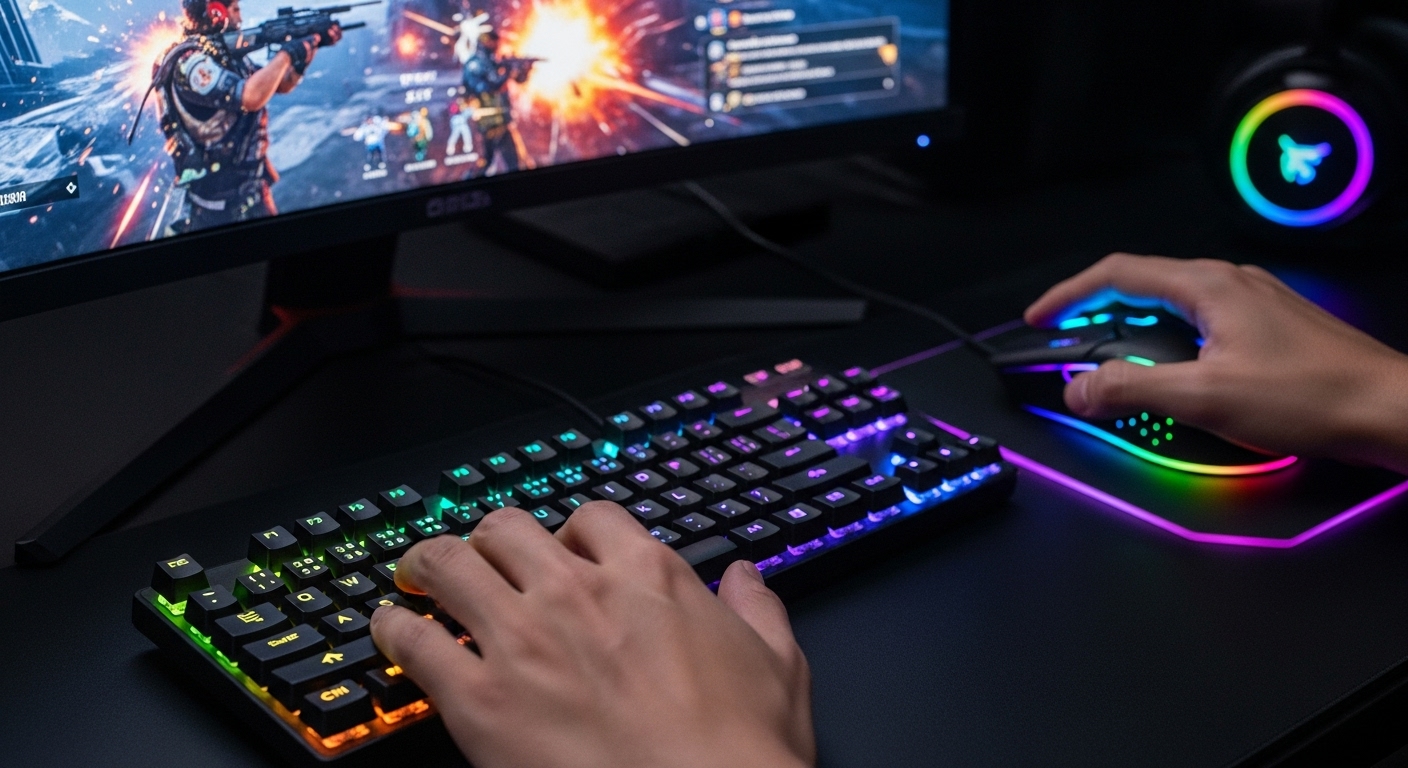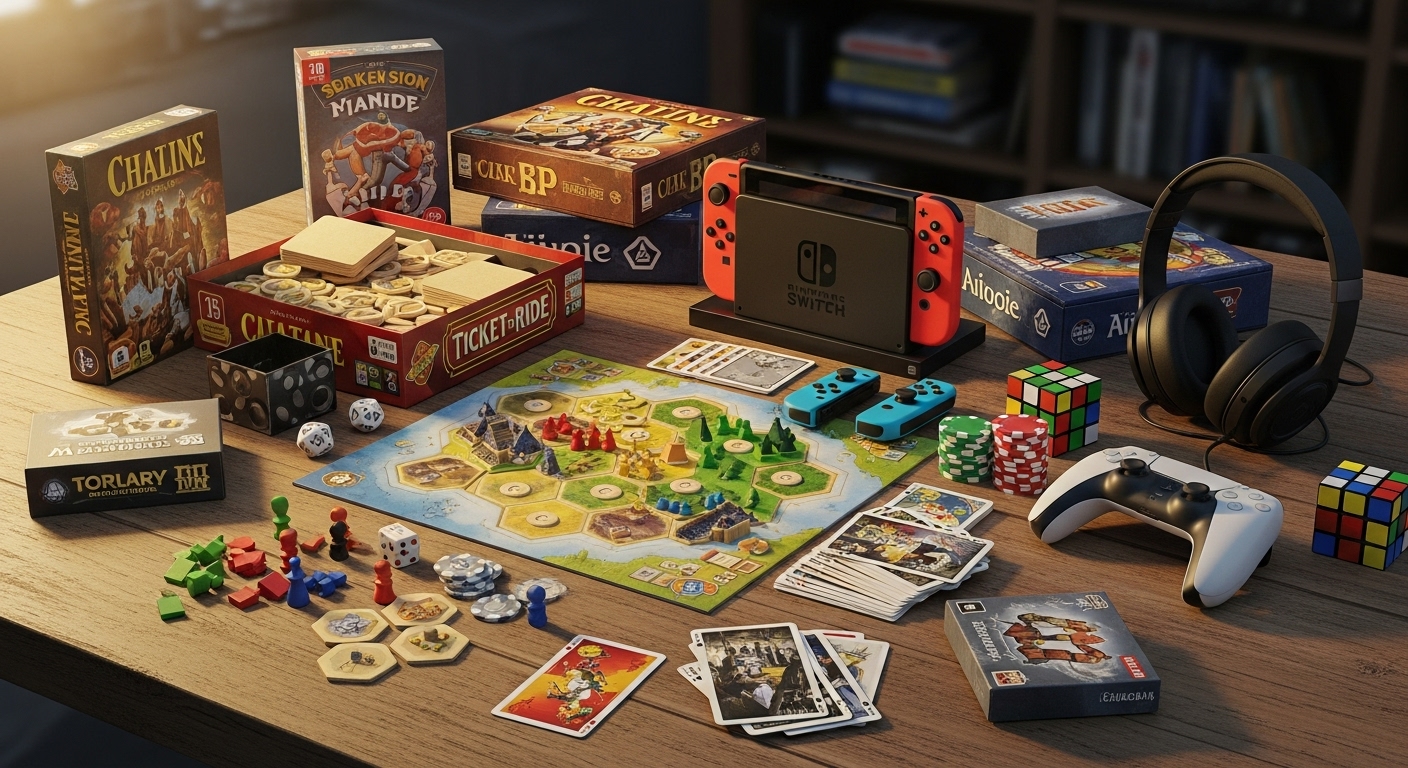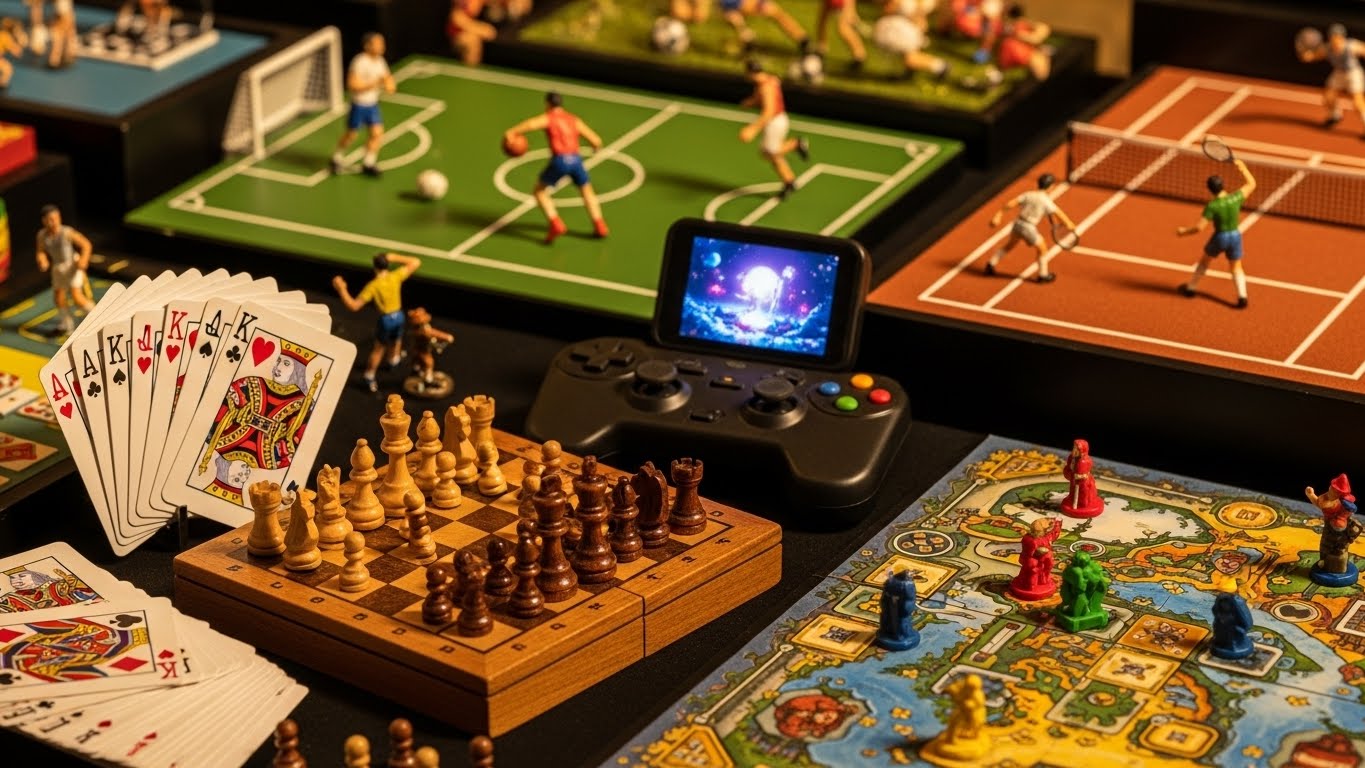






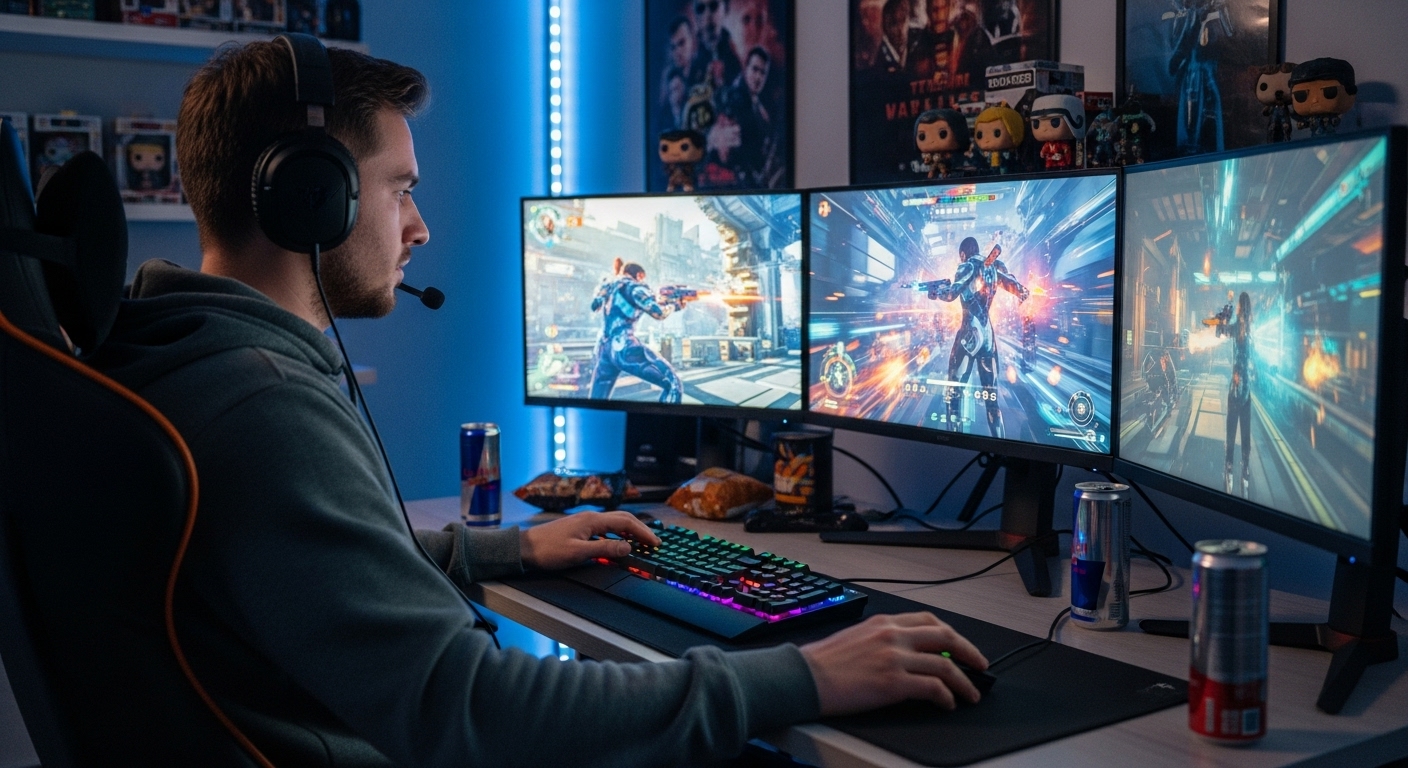
Gaming has grown from simple pixels and beeping sounds to breathtaking virtual worlds filled with cinematic storytelling, lifelike graphics, and global communities. What began as a niche hobby has evolved into one of the most powerful cultural and technological movements in modern history. Today, gaming is not only a form of entertainment but also a form of art, competition, and even livelihood for millions around the world.
This evolution didn’t happen overnight. It took decades of innovation, passion, and technological advancement to bring gaming to its current state. From the rise of arcades to the dominance of consoles, from the explosion of mobile gaming to the emergence of virtual reality, gaming has continually reinvented itself. This blog explores the history, transformation, and cultural significance of gaming, along with its impact on technology, society, and the future.
The Origins of Gaming
The roots of gaming can be traced back to the early 1950s and 1960s, when scientists and engineers experimented with computer programs for entertainment. Games like Tennis for Two and Spacewar! were among the first digital experiences that allowed users to interact with machines for fun.
In the 1970s, arcade machines became cultural landmarks. Titles like Pong, Space Invaders, and Pac-Man captured the imagination of millions. Arcades were more than just gaming halls—they were social spaces where competition, excitement, and friendship thrived. The popularity of arcades also paved the way for home gaming, as players wanted to recreate that experience in their living rooms.
The Rise of Home Consoles
The late 1970s and early 1980s saw the birth of the home console era. Companies like Atari, Nintendo, and Sega revolutionized the industry by bringing video games directly into homes. The Atari 2600, released in 1977, became a household name and introduced a generation to home gaming.
However, the industry faced its first major challenge in 1983, when an oversaturated market and declining quality led to a gaming crash. It wasn’t until 1985 that the industry rebounded, thanks to Nintendo’s Entertainment System (NES). With titles like Super Mario Bros. and The Legend of Zelda, Nintendo redefined gaming quality and introduced iconic characters that remain beloved today.
The home console market expanded rapidly through the 1990s with the arrival of Sega’s Genesis and Sony’s PlayStation. Each generation of consoles introduced better graphics, more immersive gameplay, and richer storytelling. Gaming was no longer just for kids—it became a mainstream form of entertainment for all ages.
The PC Gaming Revolution
While consoles dominated living rooms, the personal computer opened new possibilities for gaming. The flexibility of PCs allowed developers to experiment with genres and graphics that consoles couldn’t handle at the time. Games like Doom, Half-Life, and StarCraft became legendary, pushing the boundaries of creativity and technical performance.
PC gaming also gave rise to modding communities, where players modified games to create custom levels, characters, and even entirely new experiences. These communities fostered innovation and collaboration, with some fan-made mods eventually becoming full-fledged commercial games.
The introduction of online multiplayer through PCs also laid the groundwork for the global gaming culture we know today. Players could connect, compete, and collaborate across continents, setting the stage for the rise of esports and streaming.
The Expansion of Genres
As technology improved, gaming diversified into an incredible range of genres. Role-playing games (RPGs) immersed players in fantastical worlds filled with complex stories and deep character progression. Strategy games challenged players to think critically and plan carefully. First-person shooters tested reflexes and tactical skills. Simulation games allowed people to build cities, manage businesses, or even live virtual lives.
Games like Final Fantasy, SimCity, The Elder Scrolls, and Call of Duty exemplified how varied the gaming experience could be. This expansion of genres ensured that gaming appealed to a wider audience, from casual players to dedicated enthusiasts. Whether someone wanted a quick puzzle on their phone or an epic adventure on their console, there was a game for every preference.
Online Gaming and Global Communities
Perhaps the most significant transformation in gaming came with the rise of online multiplayer experiences. The ability to play with or against people from around the world changed the essence of gaming.
Massively multiplayer online role-playing games (MMORPGs) such as World of Warcraft created vast digital worlds where millions of players could interact, form guilds, and embark on epic quests together. Online shooters like Counter-Strike and Call of Duty turned competitive gaming into a worldwide phenomenon.
Online gaming not only fostered friendships but also created communities that transcended geography, language, and culture. Gamers connected through voice chat, forums, and social media, forming bonds over shared experiences. This connectivity turned gaming into one of the most socially engaging forms of entertainment in the digital age.
The Rise of Mobile Gaming
With the introduction of smartphones, gaming underwent yet another transformation. Mobile gaming made interactive entertainment accessible to everyone, regardless of hardware or skill level. Simple yet addictive titles like Angry Birds, Candy Crush Saga, and Clash of Clans became global sensations.
The mobile platform also democratized game development. Independent creators could reach massive audiences without relying on large publishers. App stores became vibrant ecosystems where creativity flourished.
Today, mobile gaming represents the largest segment of the gaming industry, generating billions in revenue annually. It has introduced gaming to demographics that were previously untapped, including casual players and older generations.
The Impact of Streaming and Content Creation
The rise of streaming platforms completely transformed how people engage with games. Gamers are no longer just players—they are performers, entertainers, and influencers. Streaming allows audiences to watch live gameplay, learn strategies, and connect with their favorite personalities in real time.
Platforms have turned gaming into a social and participatory experience. Content creators share their passion, humor, and expertise, turning gaming into a form of interactive entertainment. Competitive players can broadcast tournaments, while casual gamers share creative or comedic moments with their communities.
This has also led to the rise of professional streamers who earn livelihoods through sponsorships, advertising, and fan support. The relationship between players and audiences has become more dynamic than ever before, making gaming both a spectator and participatory activity.
Esports: The Competitive Side of Gaming
Esports has transformed gaming into a legitimate competitive discipline. Professional players train rigorously, analyze strategies, and compete in tournaments with prize pools that rival those of traditional sports.
Games like League of Legends, Dota 2, Counter-Strike: Global Offensive, and Overwatch have established global competitive leagues. Major tournaments draw millions of viewers worldwide, filling stadiums and arenas with cheering fans.
Esports organizations operate like sports franchises, complete with coaches, analysts, and training facilities. The growth of esports has opened new career paths—not only for players but also for broadcasters, commentators, and production teams.
What was once considered a pastime has become a professional pursuit recognized by universities, governments, and corporations. The esports phenomenon has cemented gaming as one of the most influential cultural movements of the 21st century.
Storytelling and Artistic Expression in Games
Modern gaming is not just about competition or high scores—it’s about storytelling, emotion, and artistic expression. Many contemporary games rival films and literature in narrative depth, character development, and thematic complexity.
Games like The Last of Us, Red Dead Redemption 2, and God of War have redefined storytelling in interactive form. They explore love, loss, morality, and human connection through gameplay, allowing players to experience emotions on a deeply personal level.
Game designers, writers, artists, and composers collaborate to create immersive worlds where players become active participants in the narrative. Unlike movies, games offer agency—players make choices that shape the story’s outcome, creating personalized experiences that resonate long after the credits roll.
Technological Innovation and Realism
Gaming has always driven technological advancement. The pursuit of realism and immersion pushes hardware and software innovation continuously. Modern graphics engines render lifelike environments, dynamic weather, and expressive character animations.
Advances in physics simulation, artificial intelligence, and sound design make virtual worlds feel authentic and alive. Ray tracing technology enhances lighting and reflections, while high-refresh-rate displays and haptic feedback create a more responsive and tactile experience.
Virtual reality and augmented reality represent the next frontier in immersive gaming. With VR headsets, players can physically step into digital worlds, interact with environments naturally, and experience presence like never before. These technologies are redefining how players perceive and interact with games.
The Social and Cultural Influence of Gaming
Gaming has become a central part of global culture. Characters like Mario, Sonic, and Master Chief are as iconic as superheroes or movie stars. Game music, art, and fashion influence pop culture, while gaming references appear in movies, television, and literature.
Gaming communities promote creativity, collaboration, and inclusivity. Online spaces allow people to share experiences, form friendships, and express themselves. Esports tournaments and conventions bring fans together in celebration of shared passion.
Gaming also promotes cognitive and social benefits. Studies have shown that games can improve problem-solving, coordination, and teamwork. Educational games enhance learning, while simulation games teach complex systems and real-world skills.
The Business and Economy of Gaming
The gaming industry has become one of the largest entertainment sectors globally, surpassing movies and music in revenue. Developers, publishers, hardware manufacturers, and content creators form a vast ecosystem.
Monetization models have evolved from traditional one-time purchases to subscriptions, microtransactions, and live-service platforms. While these models offer ongoing engagement, they also spark debate about fairness and consumer rights.
Independent game development continues to thrive, offering innovative experiences outside mainstream trends. Indie games like Undertale, Hades, and Celeste demonstrate that creativity and storytelling can rival even the biggest blockbusters.
The economic influence of gaming extends beyond entertainment. Job creation in development, marketing, esports, and content creation continues to grow. Gaming conferences and conventions contribute to tourism and global collaboration.
The Challenges Facing the Gaming Industry
Despite its success, the gaming industry faces challenges. Issues such as crunch culture, online toxicity, and data privacy remain concerns. Developers and companies must balance innovation with ethical practices and player well-being.
Accessibility is another important issue. Ensuring that games are playable by people with disabilities promotes inclusivity and expands gaming’s reach. Representation and diversity in games are improving, but more progress is needed to reflect the richness of global culture.
Environmental sustainability also poses challenges, as hardware manufacturing and energy consumption increase. The industry is beginning to address these concerns through eco-friendly production and digital distribution.
The Future of Gaming
The future of gaming is full of promise and innovation. Cloud gaming services are making high-quality experiences available without expensive hardware. Artificial intelligence is enhancing game design, generating adaptive worlds, and creating smarter opponents.
Cross-platform play ensures that players can connect regardless of their chosen device. The blending of gaming with other media—such as film, music, and virtual concerts—continues to expand interactive entertainment.
As technology evolves, so does the definition of gaming. The line between virtual and real worlds is blurring, creating opportunities for shared creativity, storytelling, and exploration. Gaming will remain a space for innovation, imagination, and connection in an increasingly digital world.
Conclusion
Gaming has transcended its origins as a simple pastime to become a cornerstone of global culture, technology, and creativity. It is an art form, a sport, a community, and a multibillion-dollar industry that continues to grow and inspire.
From the arcades of the past to the virtual realities of the future, gaming has proven its power to connect people, tell stories, and push the limits of technology. It embodies the human spirit of exploration, competition, and imagination.
As we move forward, gaming will continue to shape the world—not just as entertainment, but as a reflection of who we are and what we can become. The ever-evolving world of gaming is not just about pixels and polygons; it is about passion, creativity, and the endless pursuit of new experiences.