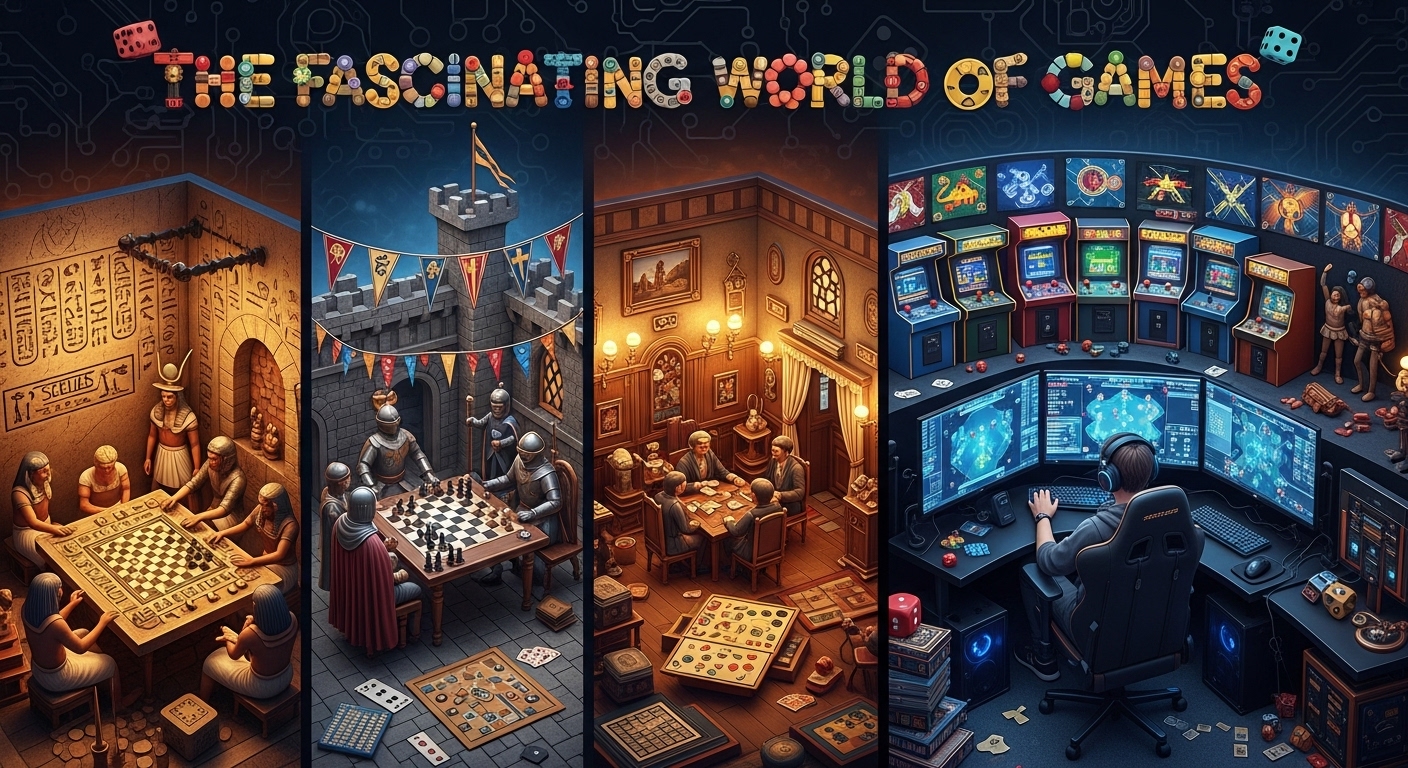





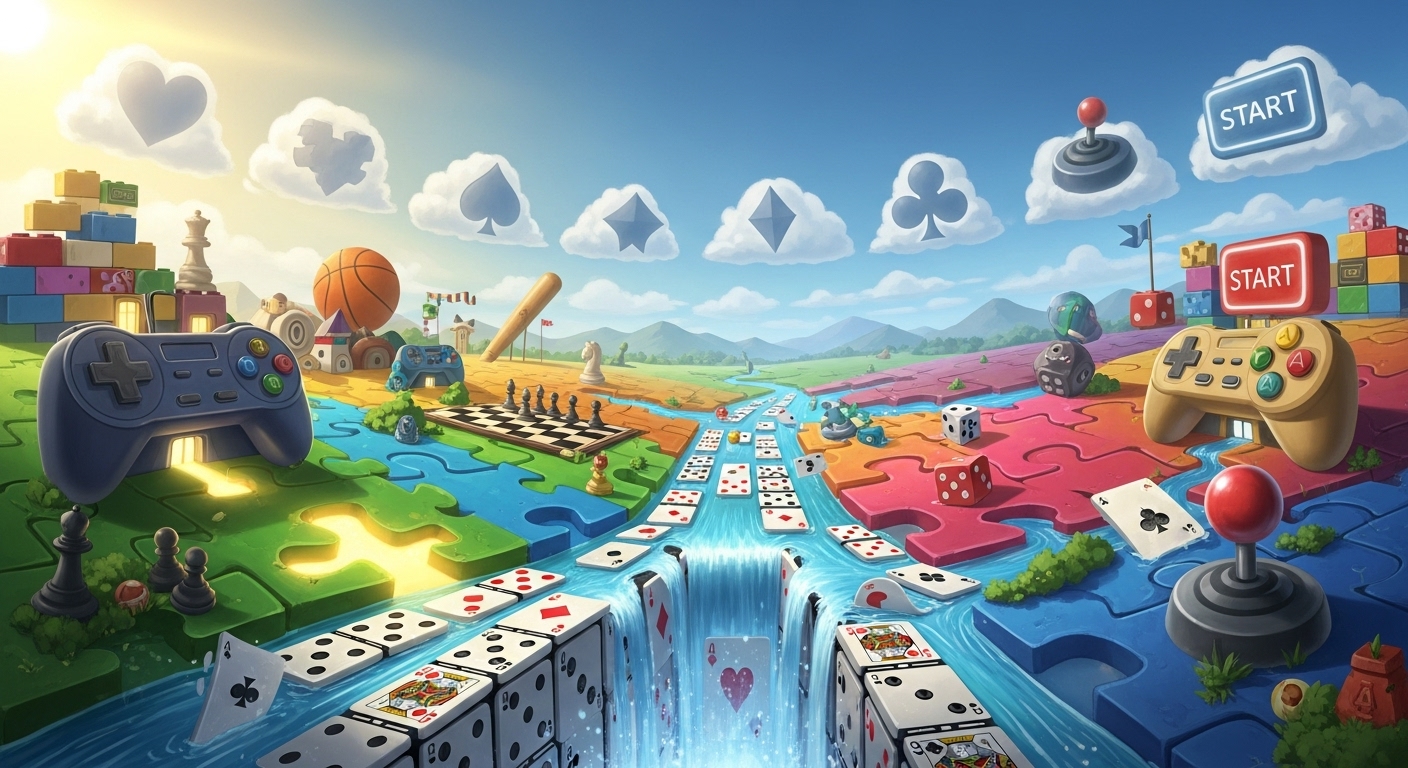
Games have always been a part of human life. From ancient times when people gathered around to play simple board games carved in stone to the modern digital era filled with high-definition virtual worlds, games have evolved alongside civilization itself. They are not just about entertainment anymore; they represent art, technology, competition, and even education. In every corner of the world, from children playing tag in open fields to professionals competing in global esports tournaments, games have united people through shared excitement and creativity.
The Origins of Games
Long before computers and consoles existed, games were played using natural materials. Ancient civilizations like the Egyptians played Senet, a board game that symbolized the journey of the soul through the afterlife. The Chinese developed Go, a strategy game that still challenges players with its simple rules but deep complexity. In Greece and Rome, physical games like wrestling and chariot racing were not only for fun but also training for real-world skills. These early games reflected society’s values, culture, and sense of competition.
Games in ancient times were also a form of storytelling. Each move or rule carried meaning, connecting players to myths, gods, and life lessons. Even children’s games like hide and seek, tag, or simple stone tossing were ways to teach survival, agility, and teamwork. Games have always been mirrors of human imagination and a way to prepare for the challenges of life.
The Evolution of Games Through the Ages
As society advanced, so did games. The Middle Ages introduced chess to Europe, a game that symbolized war, hierarchy, and intellect. It became a favorite among kings and scholars, representing a battle of minds. Card games emerged around the same time, offering entertainment to people of all classes. Later, with the invention of dice, chance became an exciting part of gaming, giving rise to gambling and strategy-based board games.
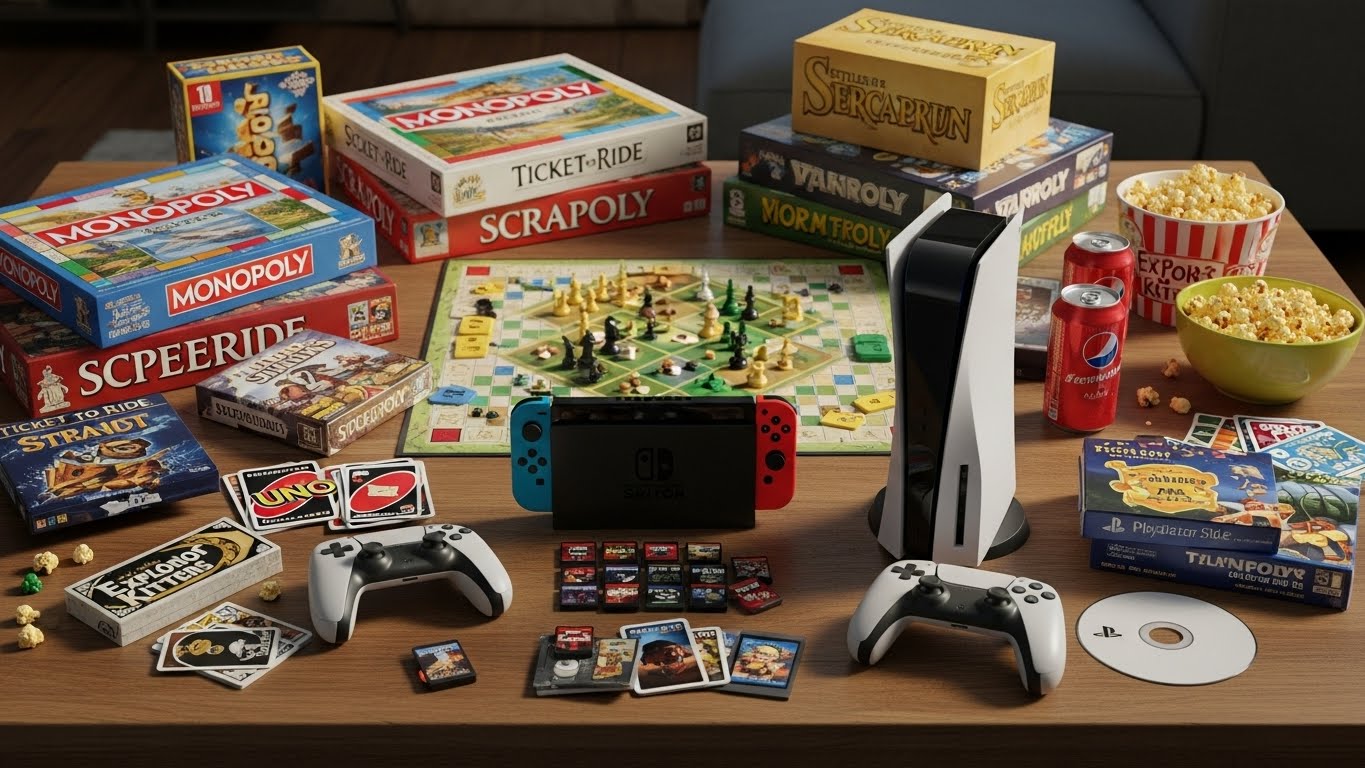
In the nineteenth and twentieth centuries, games began to take on new forms. With the industrial revolution, manufacturing made toys and games accessible to more people. Families gathered around the table to play Monopoly, Scrabble, or Clue. These games encouraged thinking, vocabulary, and creativity while bringing people together. Physical sports like football, cricket, and basketball also became organized with official rules, leagues, and tournaments. Games became a part of everyday life, symbolizing teamwork, skill, and determination.
The Birth of Video Games
The biggest transformation in the history of gaming began in the mid-twentieth century with the birth of video games. In 1958, a simple electronic game called Tennis for Two introduced the concept of interactive digital entertainment. Soon after, Pong, Space Invaders, and Pac-Man captured the hearts of millions. The arcade culture of the 1980s became a social phenomenon, where people gathered in game halls to compete and share the thrill of high scores.
As technology improved, gaming systems like the Atari 2600, Nintendo Entertainment System (NES), and Sega Genesis brought games into homes. Characters like Mario, Sonic, and Link became cultural icons, representing the joy and wonder of this new digital art form. Games were no longer just a pastime—they became a lifestyle, a form of identity for millions of fans around the world.
The Golden Age of Consoles
The 1990s and early 2000s marked a golden age for gaming consoles. The arrival of the PlayStation, Xbox, and Nintendo 64 transformed the gaming industry. Graphics became more realistic, stories more complex, and gameplay more immersive. Games like Final Fantasy VII, The Legend of Zelda: Ocarina of Time, and Halo: Combat Evolved changed the standards of what games could achieve.
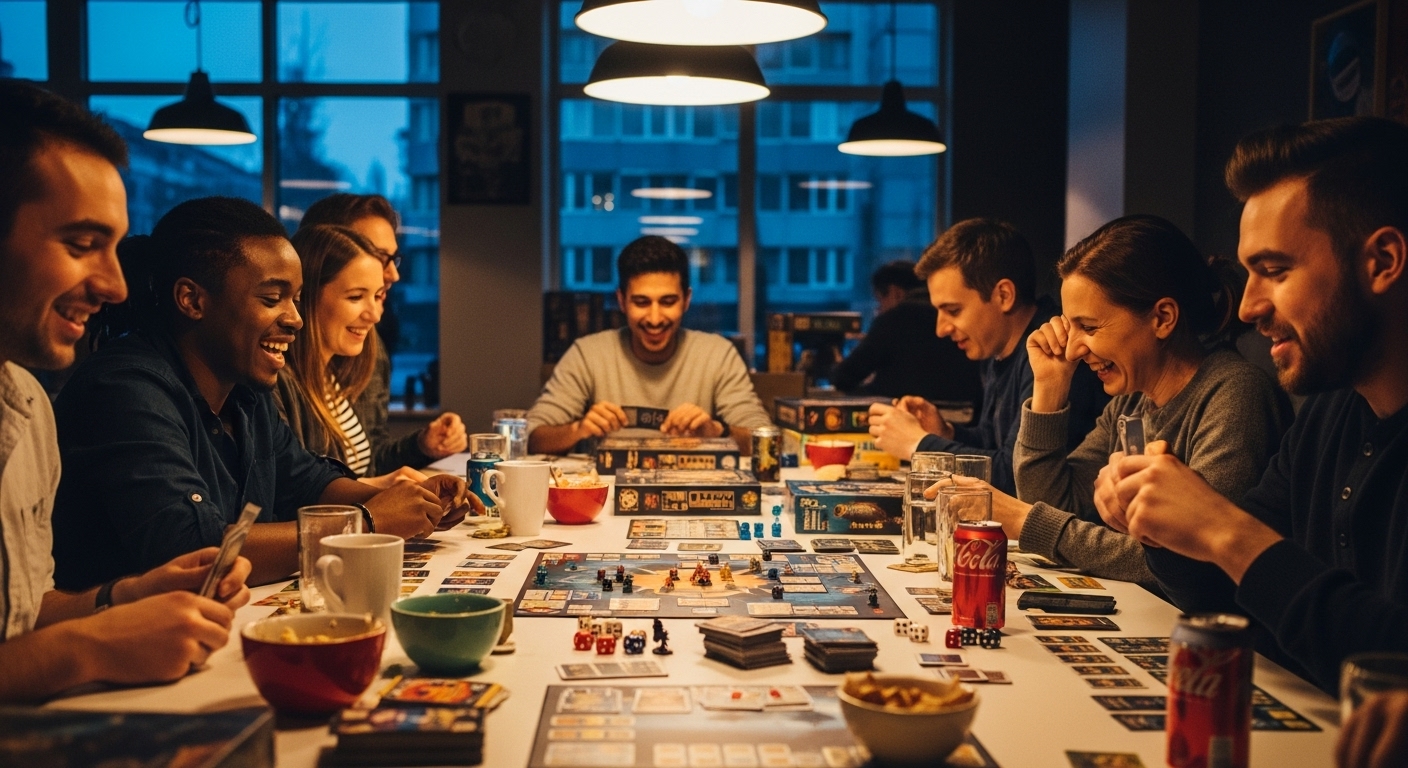
This era also marked the rise of multiplayer gaming. Split-screen racing, cooperative adventures, and competitive shooters created shared memories among friends and families. Games became social experiences, where teamwork and communication mattered as much as skill. The emotional power of storytelling in games also grew stronger. Titles such as Metal Gear Solid, Resident Evil, and Shadow of the Colossus proved that games could make players feel the same emotions as movies or novels.
The Rise of Online Gaming
With the expansion of the internet, a new chapter began. Online gaming revolutionized how people interacted. Players could now compete or cooperate with others across the world, breaking all geographical boundaries. Massive multiplayer online games, known as MMOs, such as World of Warcraft and Runescape, created entire digital worlds filled with millions of players.
Online gaming also gave birth to esports. What began as small competitions among friends evolved into massive international tournaments watched by millions. Professional gamers became celebrities, earning sponsorships and prizes worth millions of dollars. Esports demonstrated that gaming was not just entertainment—it was a legitimate career path requiring discipline, practice, and strategy.
Mobile Gaming and Accessibility
The introduction of smartphones changed everything again. Suddenly, everyone had access to games in their pockets. Mobile games like Angry Birds, Candy Crush, and Clash of Clans became global sensations. People who had never considered themselves gamers were now playing during commutes, breaks, or at home.
Mobile gaming also made game development more accessible. Small independent studios could now reach millions of players without needing massive budgets. The rise of app stores gave creative developers a platform to experiment with new ideas. This democratization of gaming led to a boom in creativity, producing unique experiences that appealed to all kinds of audiences.
The Role of Games in Society
Today, games are more than just a way to pass time. They serve educational, cultural, and psychological purposes. In education, games are used to teach mathematics, history, and problem-solving in engaging ways. Simulation games like Minecraft: Education Edition and Kerbal Space Program help students learn creativity and physics in interactive environments.
In therapy, games assist with mental health and physical rehabilitation. Virtual reality games are used to help patients recover from injuries, while interactive story-driven games help people cope with anxiety or depression. Games offer a safe space where individuals can express emotions, face challenges, and achieve goals.
Socially, games connect people across distances. Online friendships, communities, and collaborative projects have formed through shared gaming experiences. During times when physical interaction was limited, such as the global pandemic, games became a vital source of connection, creativity, and comfort.
The Art of Game Design
Behind every great game lies the art of design. Game developers are storytellers, artists, programmers, and dreamers who combine logic with creativity. Designing a game requires understanding player psychology, world-building, mechanics, and balance. Each sound, color, and motion is carefully crafted to evoke emotion and immersion.
Modern game design blends multiple art forms—music, animation, literature, and cinema—into one cohesive experience. Soundtracks from games like The Elder Scrolls, Journey, and The Last of Us are celebrated for their emotional depth. Visuals have evolved from pixelated screens to breathtaking 3D worlds that feel alive. Yet, despite all the technological progress, the essence of game design remains the same: to create an experience that challenges and inspires.
The Power of Storytelling in Games
One of the most profound evolutions in gaming is the way stories are told. Unlike passive media, games allow players to live the story. The player becomes part of the narrative, shaping outcomes through choices and actions. This interactivity gives games a unique emotional power unmatched by other art forms.
Games like The Witcher 3, Red Dead Redemption 2, and Life is Strange have shown how games can deliver cinematic storytelling while maintaining player control. These experiences are not just about winning; they are about exploring morality, empathy, and human emotion. The lines between reality and fiction blur, allowing players to experience worlds that challenge their beliefs and imagination.
The Future of Gaming Technology
The future of gaming is full of exciting possibilities. Virtual reality and augmented reality are already changing the way players experience digital worlds. With VR headsets, players can step directly into immersive environments, interact with objects, and feel like they are truly part of the game.
Artificial intelligence is also transforming gaming. AI-driven characters can now react intelligently, learn from players, and create personalized experiences. Procedural generation allows for endless worlds to be created dynamically, making every playthrough unique. Cloud gaming technology is breaking hardware barriers, enabling players to stream high-quality games without needing powerful devices.
Moreover, as technology continues to advance, we may see games that blend with real life. Augmented reality games could turn entire cities into playgrounds, merging physical and virtual experiences. The possibilities are endless, limited only by human imagination.
The Cultural Impact of Games
Games have become a defining element of modern culture. From memes and fashion to film adaptations and music, gaming influences almost every form of entertainment. Iconic characters like Mario, Lara Croft, and Master Chief are recognized around the world. Gaming conventions, cosplay events, and fan communities showcase the passion and creativity of players.
Games also shape how people perceive technology and storytelling. They have inspired movies, books, and even academic studies. Universities now offer degrees in game design, esports management, and digital storytelling. Gaming has grown from a niche hobby into a global cultural movement that brings together artists, developers, and fans.
The Social Challenges in Gaming
Despite its growth, the gaming industry also faces challenges. Issues such as online toxicity, addiction, and privacy concerns are real problems that must be addressed. The anonymity of online interactions can lead to negative behavior, but communities and developers are working toward safer environments.
There is also the ongoing conversation about representation in games. Developers are now focusing on creating diverse characters, stories, and experiences that reflect the real world. Inclusion is becoming a key goal, ensuring that everyone can see themselves represented in the virtual worlds they love.
Gaming as a Global Language
What makes gaming truly unique is its universality. Unlike spoken languages, the language of gaming transcends borders. Players from different countries, speaking different languages, can communicate through gameplay, gestures, and shared experiences. A player in one corner of the world can team up with another thousands of miles away, united by a common goal or mission.
This global connection fosters friendship, cooperation, and understanding across cultures. Gaming proves that technology, when used creatively, can bring people closer together.
Conclusion: The Endless Game of Life
Games have come a long way—from ancient stones and wooden boards to complex digital universes filled with emotion and innovation. They are no longer just about winning or losing; they are about experiencing, learning, and connecting. Every game, whether simple or grand, reflects humanity’s endless curiosity and creativity.
The world of games will continue to evolve with time, embracing new technologies and ideas. But at its heart, the purpose remains the same: to challenge our minds, ignite our imagination, and bring people together in joy and discovery. In many ways, life itself is a game—filled with challenges, strategies, victories, and lessons. And just like in any great game, what matters most is not just the outcome, but the journey we take along the way.