





Introduction: The World of Games
Games have been a part of human culture for centuries, serving as tools for learning, social interaction, and entertainment. From ancient board games like chess and Go to modern video games, the concept of play has evolved but retained its essential purpose: to engage, challenge, and entertain. Today, games are not only a source of recreation but also a medium for cultural expression, skill development, and even professional careers. This blog explores the history, types, impact, and future of games, highlighting their significance in modern life.
The Origins of Games
Games date back thousands of years, with evidence of board games, dice, and physical competitions in ancient civilizations. In Mesopotamia, the Royal Game of Ur was played over 4,000 years ago. Ancient Egypt, China, and Greece developed games for both entertainment and education, teaching strategy, coordination, and social interaction.
With the invention of modern playing cards, tabletop games, and role-playing games, the concept of structured play expanded. Games became a way for people to connect, compete, and develop mental and physical skills. The evolution of games reflects societal changes and technological advancements, bridging cultures and generations.
Types of Games and Their Appeal
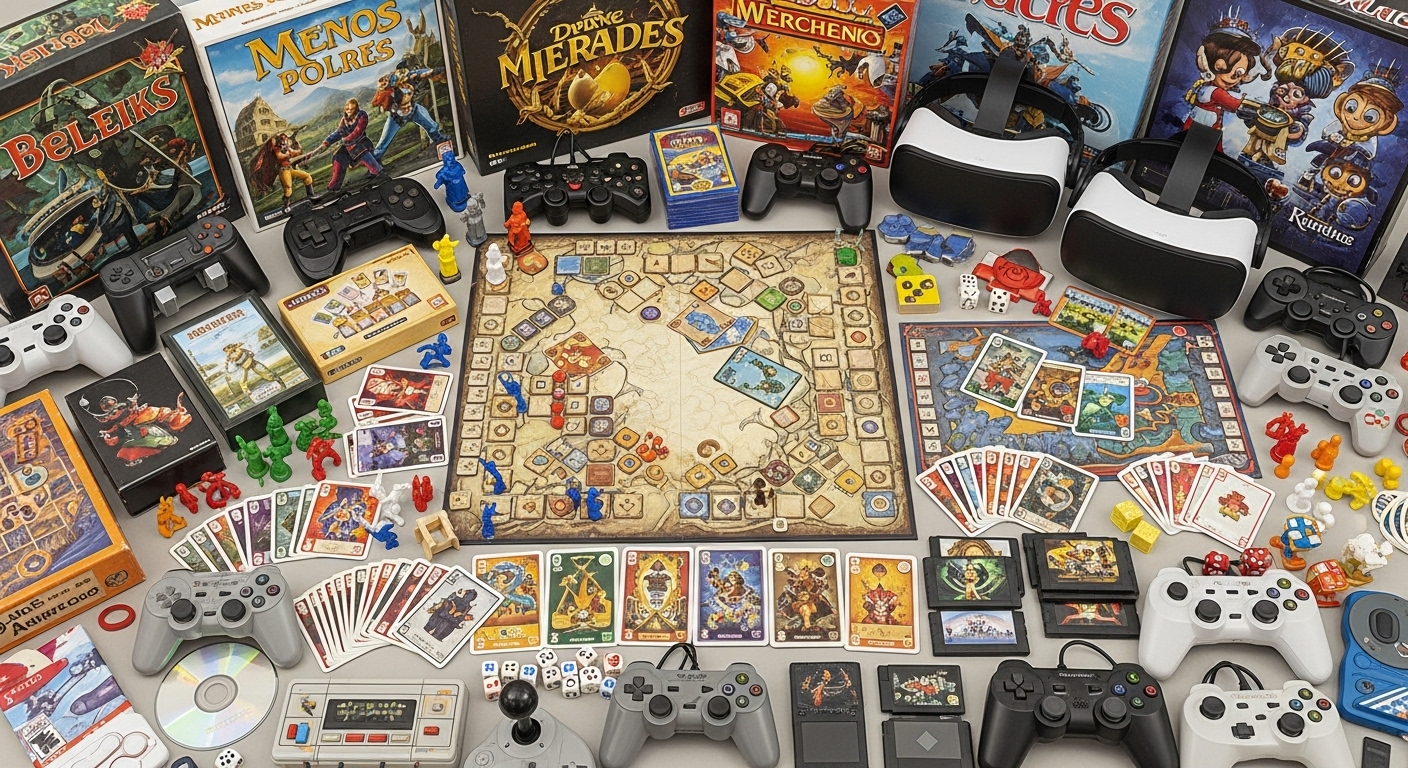
Games can be categorized into various types, each offering unique experiences:
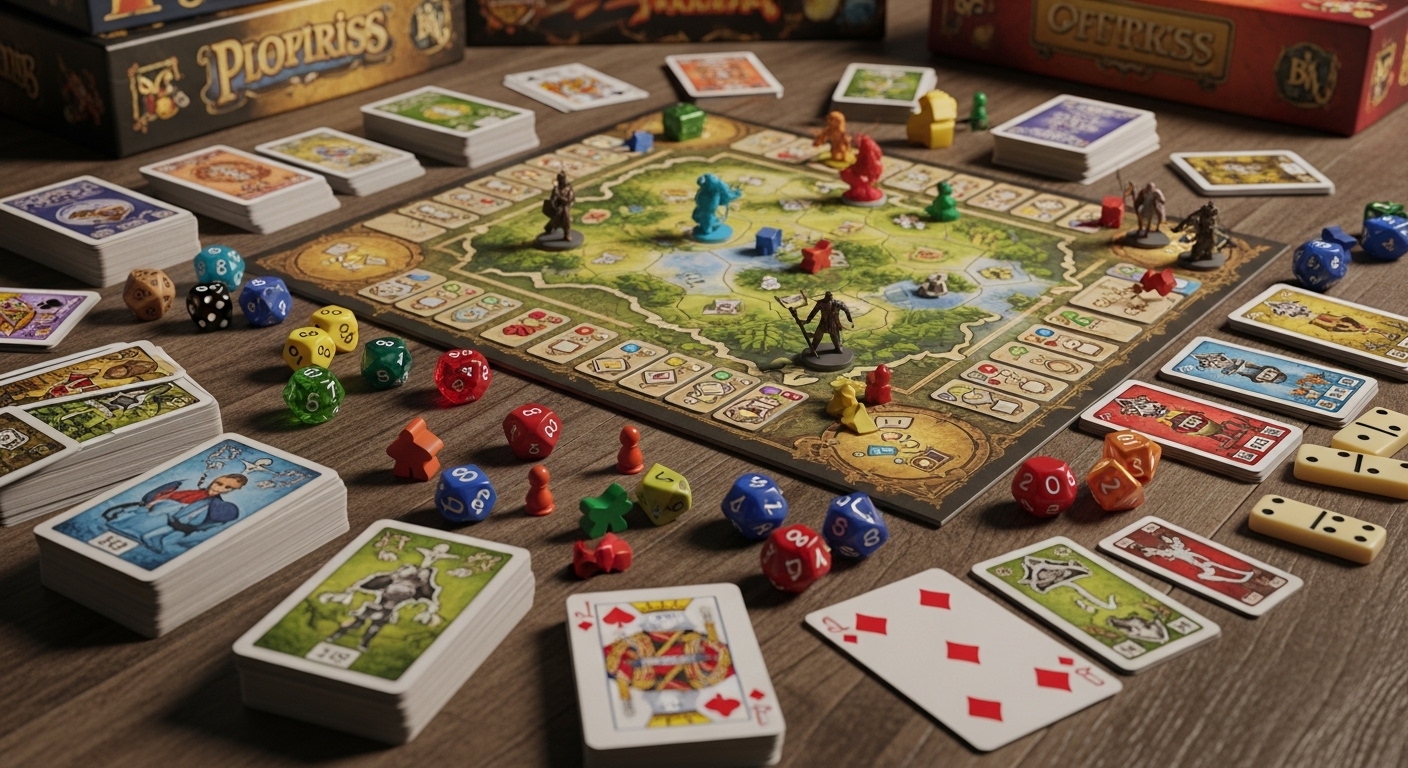
- Board Games: Chess, Monopoly, and Settlers of Catan emphasize strategy, planning, and critical thinking.
- Card Games: Poker, Bridge, and Magic: The Gathering combine luck, skill, and psychological strategy.
- Video Games: Console, PC, and mobile games provide immersive experiences with narrative, action, and interactive challenges.
- Sports and Physical Games: Soccer, basketball, and tag engage physical skills, teamwork, and competitive spirit.
- Role-Playing Games (RPGs): Tabletop and digital RPGs allow players to explore narratives, develop characters, and make strategic choices.
- Puzzle and Casual Games: Sudoku, Tetris, and mobile apps challenge cognitive skills and problem-solving.
Each type of game appeals to different interests and ages, offering opportunities for entertainment, learning, and social interaction.
Video Games: The Modern Revolution
Video games have transformed the concept of play in the digital era. They combine storytelling, interactivity, graphics, and sound to create immersive worlds. Popular titles such as The Legend of Zelda, Fortnite, and Minecraft provide unique experiences, encouraging creativity, exploration, and strategic thinking.
Multiplayer online games have created global communities where players collaborate or compete in real time. Streaming platforms allow gamers to share gameplay, connect with audiences, and build fan communities. Video games are now a mainstream form of entertainment, blending artistry, technology, and social interaction.
The Educational and Cognitive Benefits of Games
Games are not just fun—they provide cognitive and educational benefits. Strategy games improve critical thinking, decision-making, and planning skills. Puzzle and logic-based games enhance memory, attention, and problem-solving abilities.
Educational games teach subjects such as mathematics, history, and science in engaging ways, making learning interactive and enjoyable. Role-playing and storytelling games promote empathy, creativity, and narrative understanding. Games foster both mental and social development, making them valuable tools for personal growth.
The Social Impact of Games
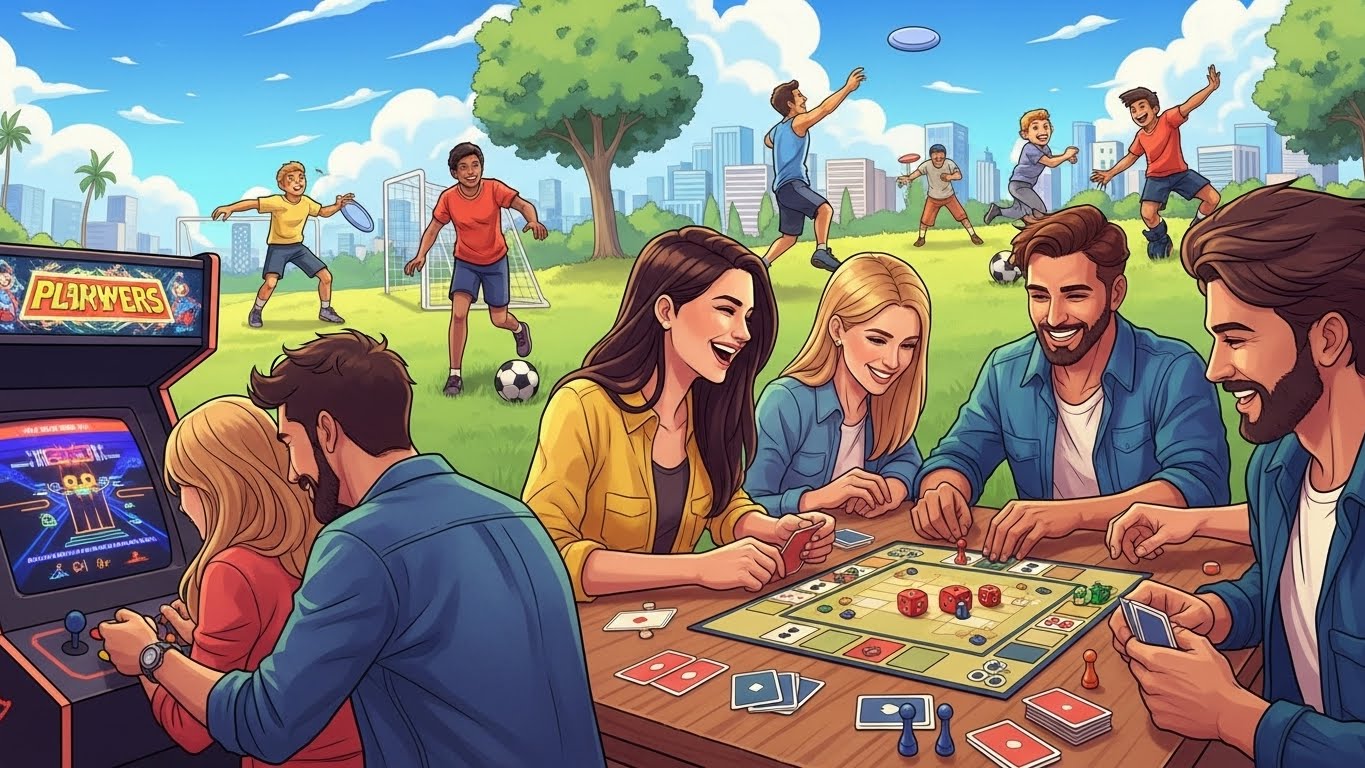
Games foster social interaction and community building. Multiplayer and cooperative games encourage teamwork, communication, and collaboration. Players develop strategies, negotiate, and work together to achieve objectives, building interpersonal skills in a fun environment.
Physical games and sports provide opportunities for community engagement, competition, and bonding. Online communities around video games and board games create cultural spaces where people connect, share experiences, and celebrate shared interests. Gaming has become a medium that connects people globally, transcending language and cultural barriers.
Esports: Competitive Gaming as Entertainment
Esports has elevated gaming to professional competition, attracting millions of viewers worldwide. Games like League of Legends, Dota 2, and Counter-Strike have professional leagues, sponsorships, and global tournaments with substantial prize pools.
Esports players train rigorously, refining strategy, reflexes, and teamwork. Fans engage through live streaming, commentary, and interactive platforms, turning competitive gaming into a spectator sport. Esports demonstrates how games have evolved from simple play into professional entertainment and career opportunities.
Games and Technology
Advancements in technology have transformed gaming experiences. High-quality graphics, faster processors, and virtual reality systems create immersive environments that challenge both creativity and skill. Artificial intelligence in games enables smarter opponents, adaptive challenges, and personalized experiences.
Cloud gaming and online platforms allow players to access games on multiple devices without expensive hardware. Mobile gaming has brought games to billions of users worldwide, making play accessible, convenient, and social. Technology ensures that games continue to evolve, offering increasingly dynamic and interactive experiences.
The Cultural Influence of Games
Games are a cultural phenomenon that reflects societal trends, values, and creativity. Iconic video games, board games, and sports influence music, fashion, movies, and art. Cosplay, fan art, and community-driven content reflect deep engagement with game culture.
Games also explore social issues, moral dilemmas, and historical events, providing insight into human experience. They influence storytelling, communication, and even marketing trends, demonstrating that games are both entertainment and cultural commentary.
Economic Significance of Games
The gaming industry is a major economic force. Game development, publishing, hardware manufacturing, esports, and streaming create employment and revenue opportunities worldwide. Games generate income through sales, microtransactions, merchandise, tournaments, and advertising.
The industry stimulates innovation in technology, media, and entertainment, driving global economic growth. Gaming events, conventions, and tournaments contribute to local economies, tourism, and cultural exchange. The financial impact of games demonstrates their importance beyond recreation.
The Psychological Benefits of Games
Playing games provides psychological benefits including stress relief, improved mood, and a sense of achievement. Games encourage perseverance, resilience, and strategic thinking. They offer safe environments to experiment, take risks, and learn from failure, contributing to personal development.
Social games also promote empathy, communication, and conflict resolution, enhancing emotional intelligence. Games are a unique combination of entertainment and mental stimulation, making them an enriching activity for players of all ages.
The Future of Games
The future of games is shaped by technology, creativity, and social engagement. Virtual reality, augmented reality, and mixed reality experiences will provide unprecedented immersion. Artificial intelligence will enhance gameplay by adapting challenges and creating intelligent, responsive game worlds.
Cross-platform integration and cloud gaming will make games more accessible, while interactive storytelling and community-driven content will further deepen engagement. Games will continue to evolve as tools for entertainment, learning, and social connection, remaining a vital part of culture and human experience.
Conclusion: Games as More Than Play
Games are far more than simple play; they are cultural artifacts, educational tools, and sources of social interaction. From traditional board games to modern video games and esports, games entertain, educate, and connect people across generations and geographies.
As technology continues to advance and audiences expand, games will remain a dynamic medium, shaping culture, influencing creativity, and offering immersive experiences. Games have transcended boundaries, becoming essential to human expression, development, and entertainment. They are a reflection of ingenuity, imagination, and the human desire to explore, compete, and connect.