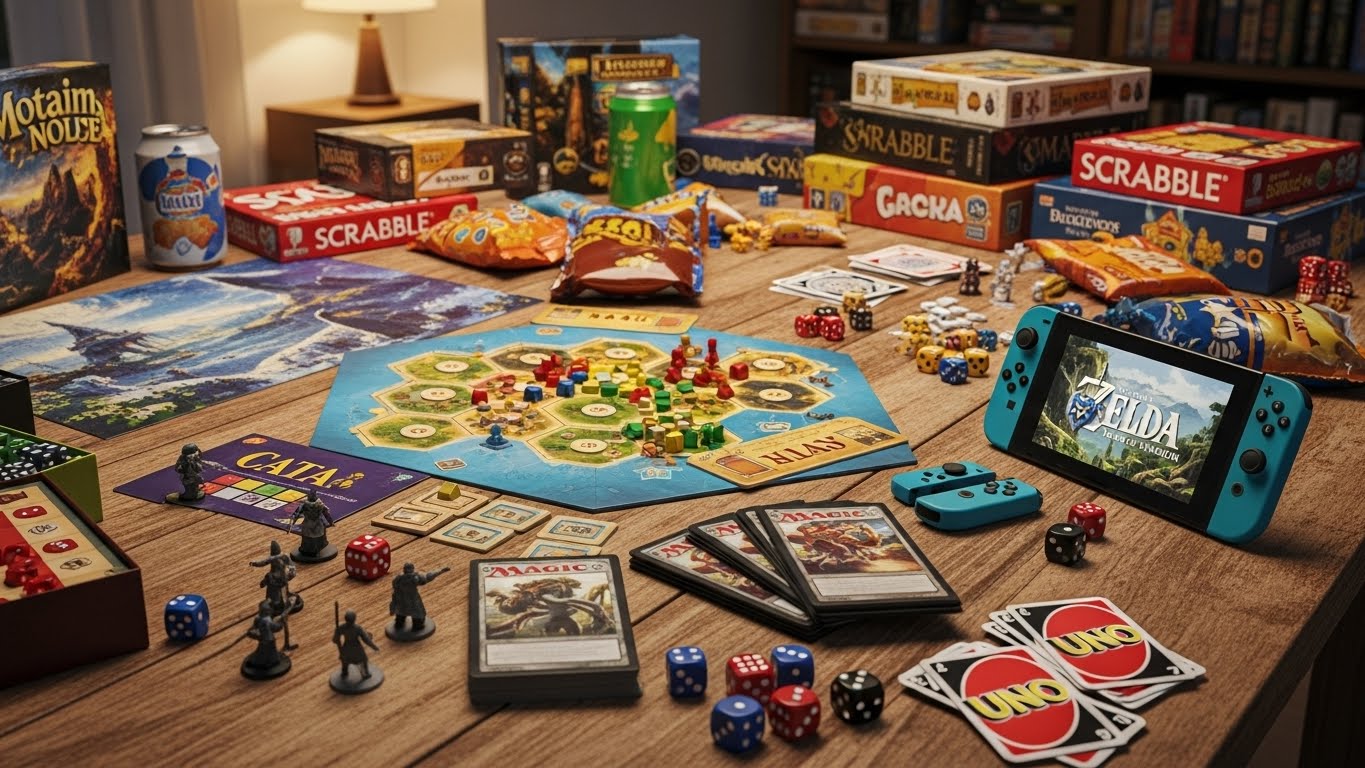







In a world where entertainment options are abundant, few have had as profound an impact as video games. What started as a form of amusement has evolved into an entire industry, encompassing everything from casual games to highly immersive virtual worlds. With millions of players worldwide and a variety of genres to choose from, video games have become an integral part of modern culture. They are not just for entertainment anymore—they are a form of art, a social platform, and even a tool for education and therapy. In this blog post, we will explore the dynamic world of video games, the different genres that have emerged, the impact gaming has on our lives, and where the industry is headed in the future.
The Evolution of Video Games: A Journey from Pixels to Immersive Worlds
Video games have come a long way since their inception. The first video games were simple, text-based adventures or pixelated representations of real-world activities like Pong or Space Invaders. The 1970s and 1980s marked the golden age of arcade games, with titles like Pac-Man, Donkey Kong, and Asteroids becoming household names. These early games had a straightforward premise: beat the high score.
However, the gaming landscape started to shift with the release of the first home gaming consoles, such as the Atari 2600 in 1977. This allowed people to play games in the comfort of their own homes, marking a major turning point for the industry. As technology progressed, so did the complexity of games. In the 1990s, the release of consoles like the Sony PlayStation and the Nintendo 64 introduced 3D graphics, creating a whole new level of realism and immersion.
The 21st century has seen even greater technological advancements. The gaming industry has evolved into one of the most lucrative sectors in entertainment, with titles like Grand Theft Auto V and Fortnite earning billions of dollars. Today’s games feature hyper-realistic graphics, complex storylines, and expansive worlds that allow players to lose themselves in the game for hours, days, or even weeks. This transformation is a testament to the rapid pace of technological innovation, as well as the growing demand for more sophisticated and engaging gaming experiences.
The Various Genres of Video Games: Something for Everyone
One of the most fascinating aspects of the video game world is the sheer variety of genres available. Whether you’re interested in solving puzzles, exploring vast open worlds, competing in fast-paced multiplayer matches, or living out epic adventures, there is a game for every type of player. Here, we break down some of the most popular and influential genres in the world of gaming.
1. Action Games
Action games are among the most popular genres, known for their fast-paced gameplay and intense moments. These games often involve a combination of combat, exploration, and problem-solving. Players may be tasked with defeating enemies, navigating obstacles, or completing various challenges within a time limit.
The Super Mario series, Halo, and Tomb Raider are classic examples of action games. More modern action games, such as God of War and Spider-Man, combine incredible storytelling with dynamic gameplay, offering players thrilling experiences while allowing them to immerse themselves in richly detailed worlds.
2. Role-Playing Games (RPGs)
Role-playing games (RPGs) offer players a chance to step into the shoes of a character and take part in an expansive story, often set in a fantastical or sci-fi universe. RPGs are known for their deep narratives, character progression systems, and immersive worlds. Players often engage in quests, level up their characters, and make decisions that affect the outcome of the game.
Popular RPGs include The Elder Scrolls V: Skyrim, Final Fantasy, and The Witcher 3: Wild Hunt. These games allow players to explore vast worlds, form alliances, and engage in battles while unfolding a captivating narrative. Many RPGs also feature a branching storyline, where the player’s choices directly impact the course of events, adding replayability and depth to the experience.
3. First-Person Shooters (FPS)
First-person shooters are another dominant genre in the gaming world. These games focus on gunplay, with players seeing the action from the perspective of the character they control. FPS games are known for their intense combat and are often multiplayer-focused, allowing players to compete against each other in real-time.
Games like Call of Duty, Counter-Strike, and Overwatch have made FPS games a major part of gaming culture. These games offer a wide range of maps, weapons, and tactics, allowing players to team up and engage in strategic battles. Competitive gaming and esports have played a huge role in the popularity of FPS games, with large tournaments offering substantial cash prizes for the best players in the world.
4. Strategy Games
Strategy games focus on decision-making, resource management, and tactical combat. Players must think critically and plan their moves to outsmart opponents. These games often require players to manage armies, build cities, or navigate complex political situations.
Real-time strategy (RTS) games like StarCraft and Age of Empires require players to manage resources while engaging in battles, while turn-based strategy (TBS) games like Civilization allow players to take turns building their empires and making important decisions. These games are known for their depth and challenge, providing players with endless hours of strategic gameplay.
5. Simulation Games
Simulation games replicate real-world activities and systems, offering players the chance to experience everything from building a city to managing a farm. These games are often relaxing and provide players with a sense of control over their environment.
Games like The Sims, SimCity, and FarmVille have been immensely popular due to their engaging and stress-free gameplay. Simulation games also allow players to experiment with different strategies and see the outcomes of their decisions, making them a fun and educational experience for many.
6. Sports and Racing Games
Sports and racing games allow players to experience real-world athletic competitions, whether it’s playing soccer, basketball, or racing cars. These games strive to simulate the rules and dynamics of the sport as closely as possible, allowing players to control real-life athletes or vehicles.
Popular sports games include FIFA, NBA 2K, and Madden NFL, while racing games like Gran Turismo and Mario Kart have become classics in their respective genres. These games offer a mix of realistic simulation and arcade-style fun, catering to both hardcore sports fans and casual players alike.
7. Puzzle Games
Puzzle games challenge players’ brains, requiring them to solve problems, manipulate objects, or think critically in order to advance. These games can range from simple matching games to complex brain teasers that require careful planning and strategy.
Games like Tetris, Portal, and Candy Crush have captivated millions with their addictive gameplay and rewarding puzzles. Puzzle games are often easy to pick up but difficult to master, making them appealing to players of all skill levels.
8. Indie Games
Indie games are typically developed by small, independent studios rather than large corporations. These games often push the boundaries of creativity, offering unique gameplay mechanics, artistic styles, and narratives that set them apart from mainstream titles.
Indie games like Hollow Knight, Celeste, and Undertale have gained cult followings due to their originality and emotional storytelling. The indie game scene has become an important part of the gaming ecosystem, offering a diverse range of experiences that appeal to niche audiences.
The Social Impact of Video Games
Video games are no longer a solitary activity. With the rise of online multiplayer games and the advent of social media, gaming has become a social experience. Millions of players worldwide connect with each other through games, forming communities, and engaging in cooperative or competitive gameplay. Online platforms like Twitch and YouTube have allowed gamers to share their experiences and build careers as influencers and content creators.
Furthermore, games have been increasingly used as tools for education and therapy. Educational games help students learn subjects like math, science, and history in an interactive way, while games designed for therapy help people with mental health issues, physical rehabilitation, or cognitive development.
The Future of Video Games: What’s Next?
The future of video games is incredibly exciting. As technology continues to advance, games will become even more immersive and interactive. Virtual reality (VR) and augmented reality (AR) are already making waves, offering players new ways to experience games. VR games, in particular, provide a level of immersion that traditional games can’t match, allowing players to physically step into a virtual world.
Cloud gaming is another emerging trend. Services like Google Stadia and Xbox Cloud Gaming allow players to stream games directly to their devices without needing high-end hardware. This will make gaming more accessible to a wider audience and eliminate the need for expensive gaming consoles or PCs.
Additionally, artificial intelligence (AI) will continue to play a larger role in gaming. AI can be used to create more realistic NPCs (non-playable characters), generate dynamic narratives, and adapt to the player’s behavior, creating more personalized experiences.
Conclusion: The Power of Games
The world of video games has come a long way since its humble beginnings. Today, it is one of the most influential forms of entertainment, with millions of players around the world. Whether you enjoy action, strategy, role-playing, or puzzles, there is a game for everyone. The industry continues to innovate, creating new experiences and expanding the ways in which we interact with digital entertainment. As technology advances, video games will only become more immersive and engaging, providing players with endless possibilities for fun, creativity, and connection. So, whether you’re a seasoned gamer or just starting, the world of video games is waiting to be explored.