






The Evolution of Video Games
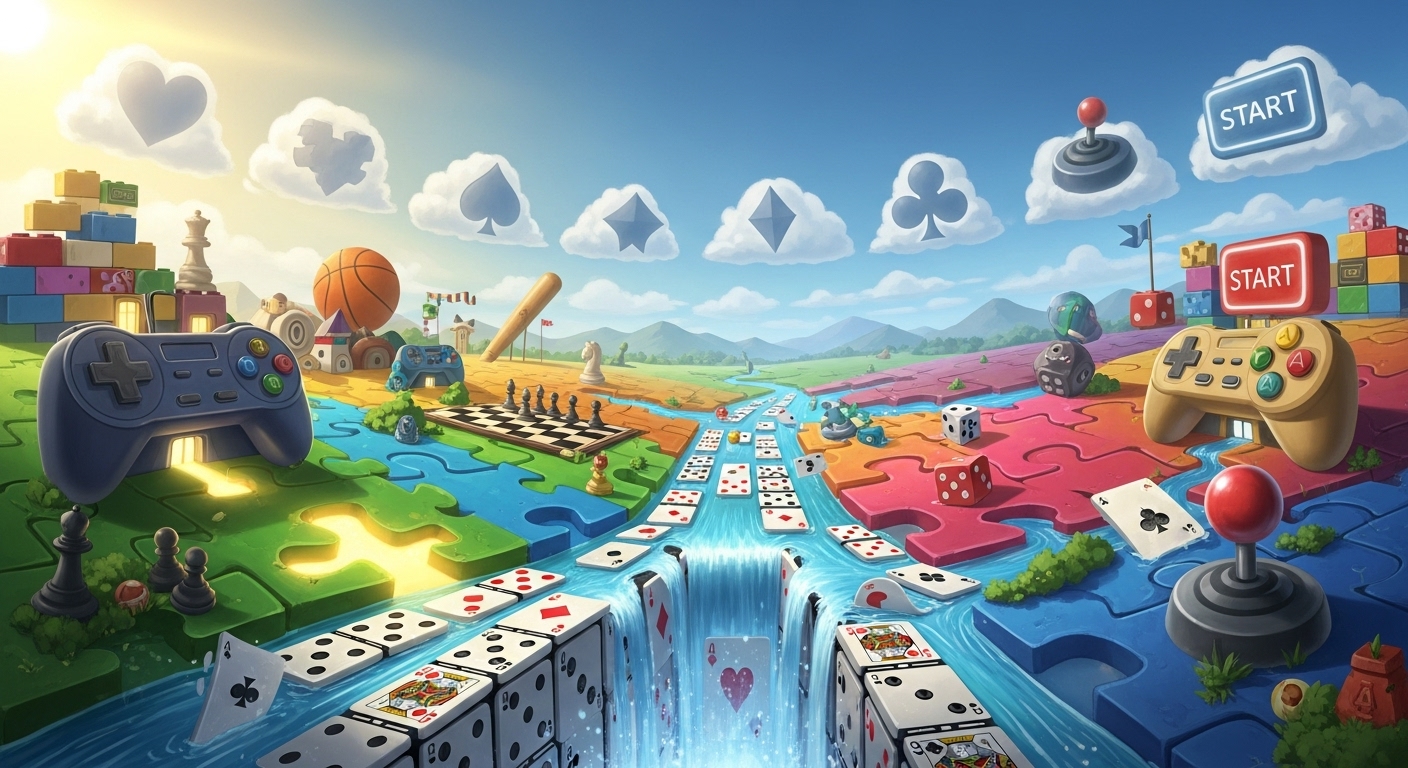
Video games have come a long way since the days of Pong and Space Invaders. What started as simple pixelated entertainment has evolved into complex, immersive worlds that captivate millions worldwide. Over the decades, technological advancements, storytelling innovations, and increased accessibility have transformed gaming into a global phenomenon.
The journey of gaming reflects human creativity and technological progress. Early consoles and arcade machines were groundbreaking for their time, offering interactive fun that challenged both reflexes and strategy. Today, modern consoles, high-performance PCs, and mobile devices deliver experiences that rival movies in terms of graphics, narrative, and engagement.
The Rise of Digital Gaming
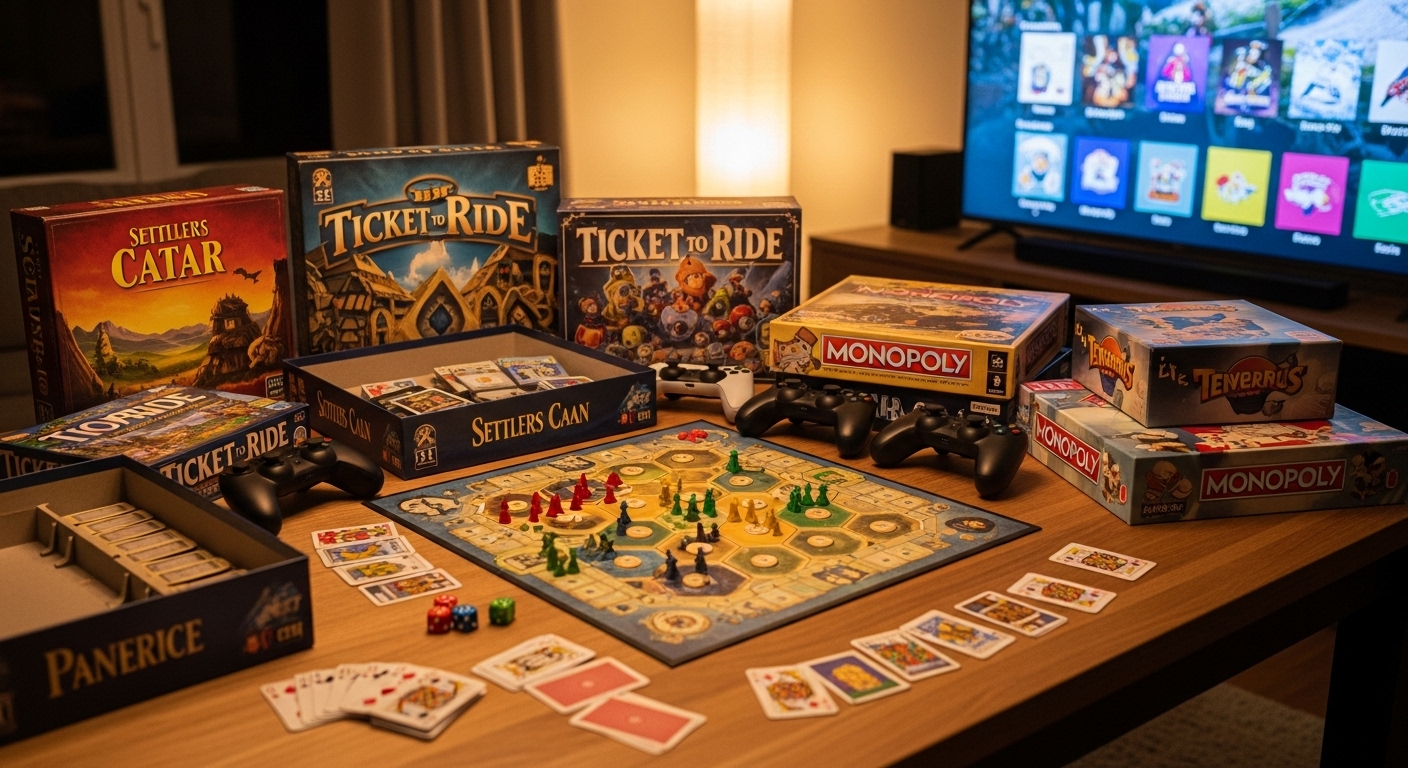
The transition from physical cartridges and disks to digital downloads has revolutionized the gaming industry. Digital platforms allow players to access a vast library of games instantly, receive automatic updates, and enjoy multiplayer features that connect players worldwide. This shift has made gaming more convenient, accessible, and connected than ever before.
Digital gaming also encourages community interaction. Players can join forums, share gameplay tips, and participate in multiplayer competitions. Online connectivity has transformed gaming into a social experience, where collaboration and competition transcend geographical boundaries.
Popular Gaming Genres
Gaming offers something for everyone, thanks to a wide array of genres. Action and adventure games provide thrilling experiences and immersive storytelling. Role-playing games allow players to develop characters, explore intricate worlds, and make meaningful choices. Strategy games challenge players to think critically and plan carefully, while simulation games recreate real-life scenarios in virtual environments.
Multiplayer online battle arena games, battle royale titles, and esports-focused games have added a competitive edge to the industry. Each genre contributes uniquely to gaming culture, offering entertainment, skill development, and social interaction.
Mobile Gaming: Gaming on the Go
Mobile gaming has dramatically expanded the audience for video games. Smartphones and tablets allow people to play anywhere, anytime. Casual games provide quick bursts of entertainment, while more complex titles offer hours of immersive gameplay.
Mobile platforms have also introduced monetization models like in-app purchases and rewards systems, enhancing engagement. Social features allow players to compete with friends, join communities, and share achievements. The accessibility of mobile gaming has made it a dominant force in the industry, reaching demographics that traditional gaming once overlooked.
Esports and Competitive Gaming
Esports has transformed gaming from a hobby into a professional pursuit. Competitive gaming features organized tournaments, professional players, and massive prize pools. Games like League of Legends, Dota 2, and Counter-Strike are central to this growing ecosystem, attracting millions of viewers worldwide.
Streaming platforms have fueled the popularity of esports, allowing fans to watch live matches and interact with players. Competitive gaming emphasizes teamwork, strategy, and skill, elevating video games to the status of professional sports. It also creates communities where players and fans share experiences and support their favorite teams.
Storytelling in Video Games
Modern games are powerful storytelling mediums. Narrative-driven games immerse players in richly developed worlds and compelling storylines. Players influence outcomes through choices and actions, creating personalized experiences that traditional media cannot offer.
Games like The Last of Us, Red Dead Redemption, and The Witcher series showcase the potential of video games as narrative art. Players not only witness a story but actively participate, shaping the plot and building emotional connections with characters. Storytelling in games demonstrates that interactive experiences can rival books and films in depth and complexity.
Virtual Reality and Immersive Experiences
Virtual reality (VR) and augmented reality (AR) are pushing the boundaries of gaming. VR transports players into fully digital worlds, providing an unprecedented level of immersion. AR blends digital elements with the real world, creating unique interactive experiences.
These technologies enhance engagement, offering games that are not only played but felt. VR and AR also have applications beyond entertainment, including education, professional training, and therapy. As hardware becomes more affordable and accessible, immersive gaming experiences will become increasingly mainstream.
The Social Impact of Gaming
Gaming is a cultural phenomenon with far-reaching social implications. Online multiplayer games foster teamwork, collaboration, and communication among players. Communities form around shared interests, creating bonds that extend beyond the game itself.
Gaming has also influenced popular culture. Iconic characters, narratives, and game mechanics inspire movies, merchandise, music, and art. Fans create their own content, from fan art to game mods, further expanding the cultural reach of video games. Gaming has become a medium through which communities, identity, and creativity thrive.
Cognitive and Educational Benefits
Games are not just entertainment—they can provide cognitive and educational benefits. Puzzle and strategy games enhance problem-solving skills, critical thinking, and decision-making abilities. Multiplayer and cooperative games foster leadership, teamwork, and communication.
Educational games combine learning and play, making complex topics accessible and engaging. Gamification motivates learners through rewards, challenges, and interactive content. When approached responsibly, gaming can be a tool for personal growth and skill development.
Technology Driving Innovation in Games
Technological advancements continue to transform gaming experiences. High-definition graphics, realistic physics engines, and AI-powered characters make games more immersive and interactive. Cloud gaming allows high-quality experiences without the need for expensive hardware, democratizing access.
Artificial intelligence in games creates adaptive challenges, intelligent non-player characters, and dynamic storylines. Procedural generation produces infinite virtual worlds, ensuring unique experiences for every player. Technology ensures that gaming continues to evolve, offering richer and more engaging entertainment.
Gaming and Mental Health
Gaming can positively influence mental health when approached responsibly. It provides stress relief, entertainment, and social interaction. Cooperative games promote empathy and teamwork, while competitive games build resilience and strategic thinking.
However, excessive gaming can lead to issues such as addiction, social isolation, and disrupted sleep patterns. Balancing gaming with other aspects of life is crucial. Developers and communities promote healthy habits, including scheduled breaks, parental controls, and moderation tools to ensure a safe and enjoyable experience.
The Future of Gaming
The future of gaming promises innovation, accessibility, and creativity. Cloud gaming, virtual reality, AI-driven personalization, and cross-platform play will redefine immersion and interactivity. Games will continue to expand into education, professional training, and therapeutic applications, demonstrating their versatility.
Social and cultural trends will shape communities, while technology will push the limits of imagination. Gaming will increasingly integrate storytelling, competition, and social interaction, creating experiences that are more inclusive and engaging than ever before. The gaming industry is poised to continue its growth, impacting entertainment, culture, and daily life.
Conclusion: Games as a Cultural and Technological Force
Video games have evolved from simple entertainment to a multifaceted cultural and technological force. They provide immersive experiences, foster social connections, and offer cognitive and educational benefits. Competitive gaming, virtual reality, and digital storytelling have transformed how players engage with interactive content.
Gaming is more than a pastime—it is a cultural phenomenon that shapes art, technology, and community. Its influence is felt in entertainment, education, mental health, and social interaction. As technology advances, gaming will continue to innovate, offering increasingly immersive, inclusive, and transformative experiences for players around the world.