





Introduction: The Timeless Appeal of Games
Games have been an essential part of human culture for centuries. From ancient board games to modern video games, play has always served as a source of entertainment, learning, and social connection. Games are more than a way to pass time; they are a medium through which creativity, strategy, and critical thinking are expressed. They allow individuals to explore new worlds, solve complex problems, and engage in meaningful interactions with others. In today’s digital age, games have expanded into a vast industry that influences entertainment, education, and social culture. This blog explores the multifaceted impact of games on individuals and society.
The Evolution of Games
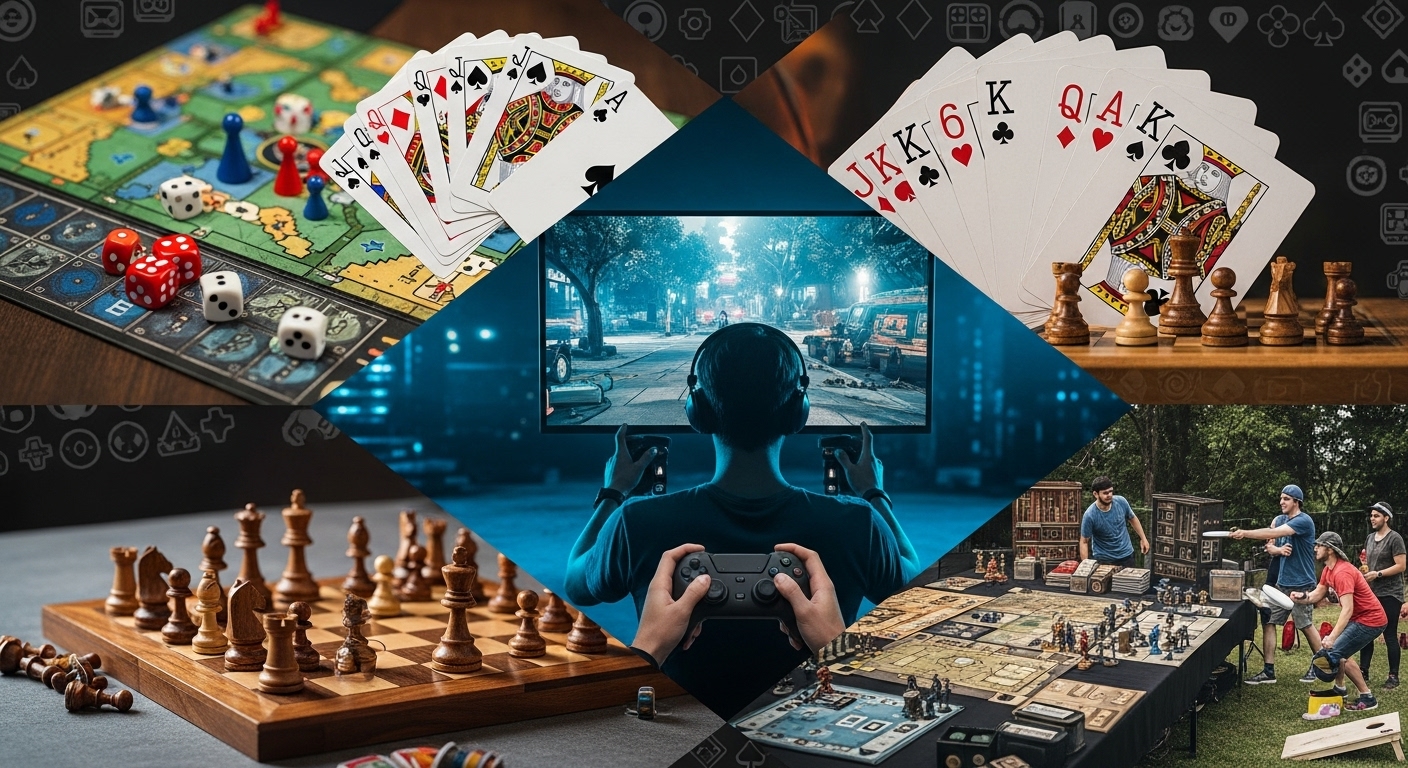
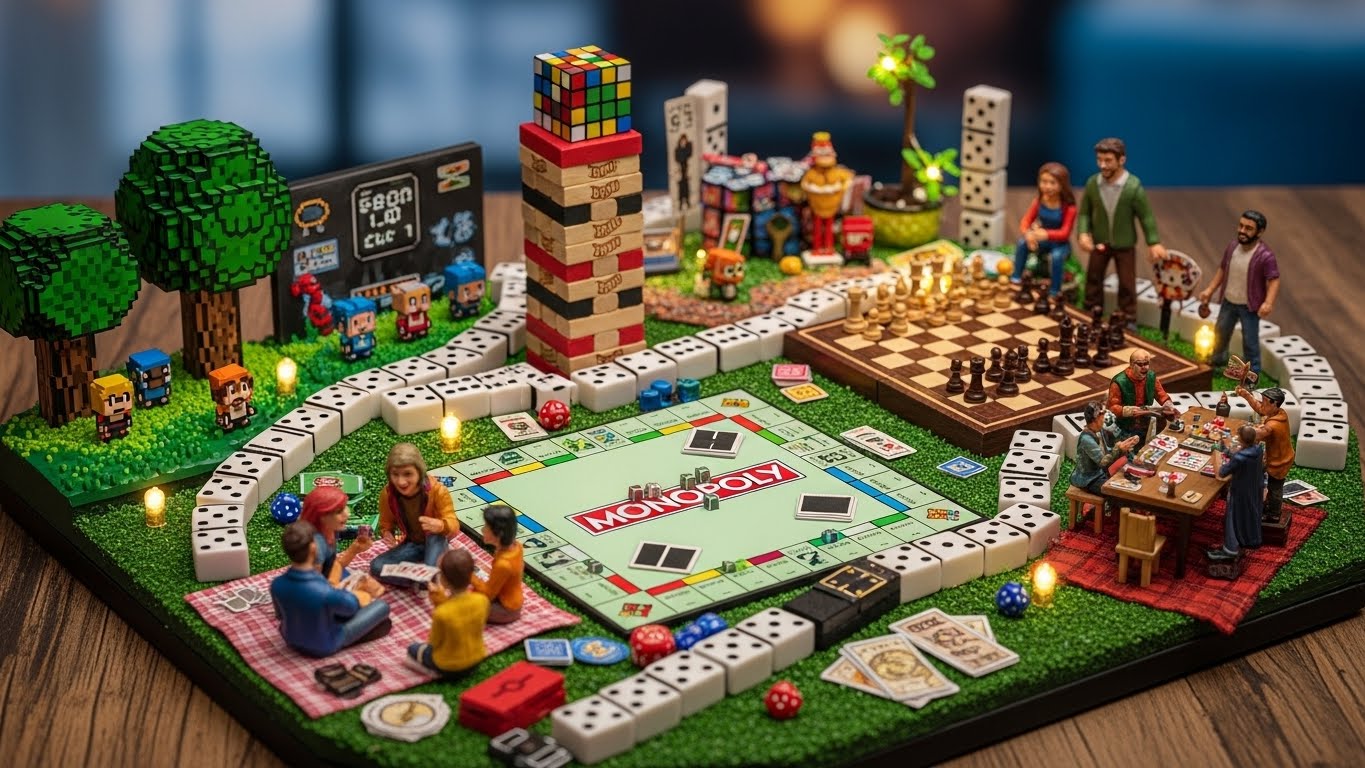
Games have evolved remarkably over time. Ancient civilizations played games like Senet in Egypt or Go in China, which required strategy and skill. Board games, card games, and outdoor sports became popular across different societies, providing both recreation and social interaction.
The introduction of digital technology revolutionized gaming. Video games created immersive experiences, allowing players to enter virtual worlds and interact with dynamic environments. From arcade machines in the 1980s to online multiplayer games today, technology has transformed how people play, compete, and connect. The evolution of games reflects human creativity and the desire for both challenge and entertainment.
Games and Cognitive Development
Games are powerful tools for developing cognitive skills. Strategy games like chess, puzzles, and problem-solving board games enhance critical thinking, planning, and analytical abilities. Players learn to anticipate consequences, make decisions under pressure, and adapt strategies based on changing conditions.
Video games also contribute to cognitive development. Fast-paced games improve reaction time and attention span, while simulation and role-playing games encourage creativity and strategic planning. For children and adults alike, engaging in games can enhance memory, problem-solving skills, and mental agility. Games are not just fun—they are exercises for the brain.
Social and Cultural Significance of Games
Games have always played a vital role in social interaction. Traditional games often bring communities together, promoting teamwork, communication, and camaraderie. Outdoor sports, card games, and board games create shared experiences that strengthen bonds between friends, families, and communities.
Modern gaming continues this social function. Online multiplayer games allow players from around the world to connect, collaborate, and compete. Gaming communities form around shared interests, fostering friendships and cultural exchange. Games also reflect cultural values, history, and storytelling traditions, making them an important part of human heritage.
Games as a Form of Entertainment
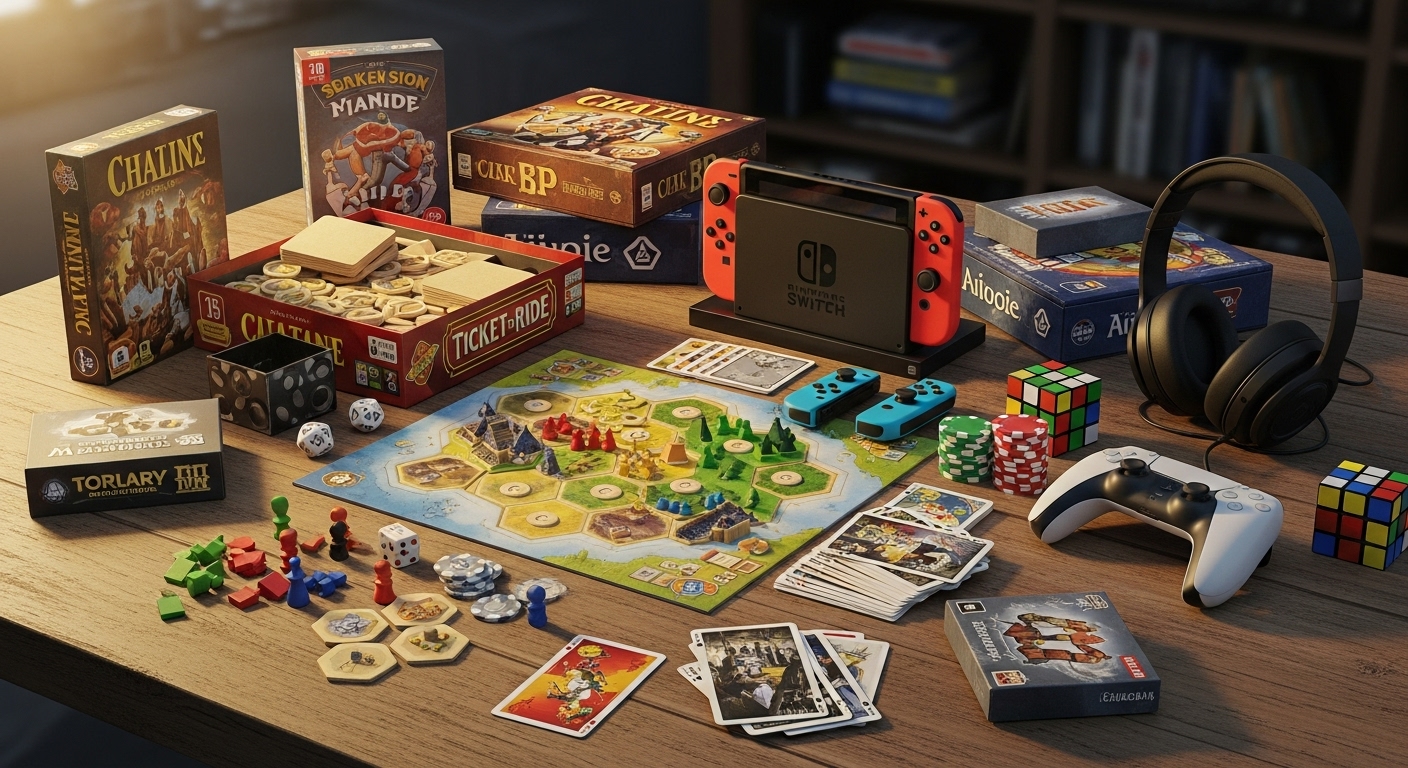
Entertainment is the most apparent role of games. Video games, board games, and mobile games provide hours of immersive fun, allowing players to escape from daily routines. Games often combine narrative, visuals, and interactive mechanics to create compelling experiences that captivate audiences.
Unlike passive forms of entertainment like television or movies, games are interactive. Players are not just observers; they actively shape outcomes through their decisions and actions. This level of engagement makes games a uniquely dynamic form of entertainment, blending fun with creativity, strategy, and personal expression.
Competitive Gaming and Esports
The rise of competitive gaming has added a new dimension to the world of games. Esports, or electronic sports, has turned video games into professional competitions watched by millions worldwide. Titles such as League of Legends, Fortnite, and Dota 2 showcase skill, strategy, and teamwork on a global stage.
Competitive gaming fosters discipline, resilience, and strategic thinking. Professional players train rigorously, developing cognitive and reflexive abilities, while audiences engage in fan culture, cheering for their favorite teams and players. Esports has transformed gaming from a casual pastime into a recognized and respected professional field.
Educational Benefits of Games
Games are increasingly recognized for their educational value. Educational games and simulations teach critical skills, such as math, language, history, and problem-solving, in an interactive and engaging manner. Learning through play encourages curiosity, experimentation, and creativity.
Even traditional and recreational games can have educational benefits. Team-based sports and multiplayer board games teach teamwork, leadership, and communication. Strategy games enhance planning and critical thinking. Games create a playful environment in which learning becomes immersive and enjoyable.
Games and Technology
Technology has significantly expanded the possibilities of gaming. Modern hardware, advanced graphics, and high-speed internet have created immersive and interactive gaming experiences. Virtual reality and augmented reality are pushing boundaries, allowing players to experience fully interactive worlds that blend reality and imagination.
Mobile technology has made gaming accessible to everyone. Smartphones and tablets allow players to engage in games anytime and anywhere, broadening the audience and democratizing access to gaming experiences. Technology has transformed games into a medium that combines art, storytelling, and interactive entertainment.
Games and Creativity
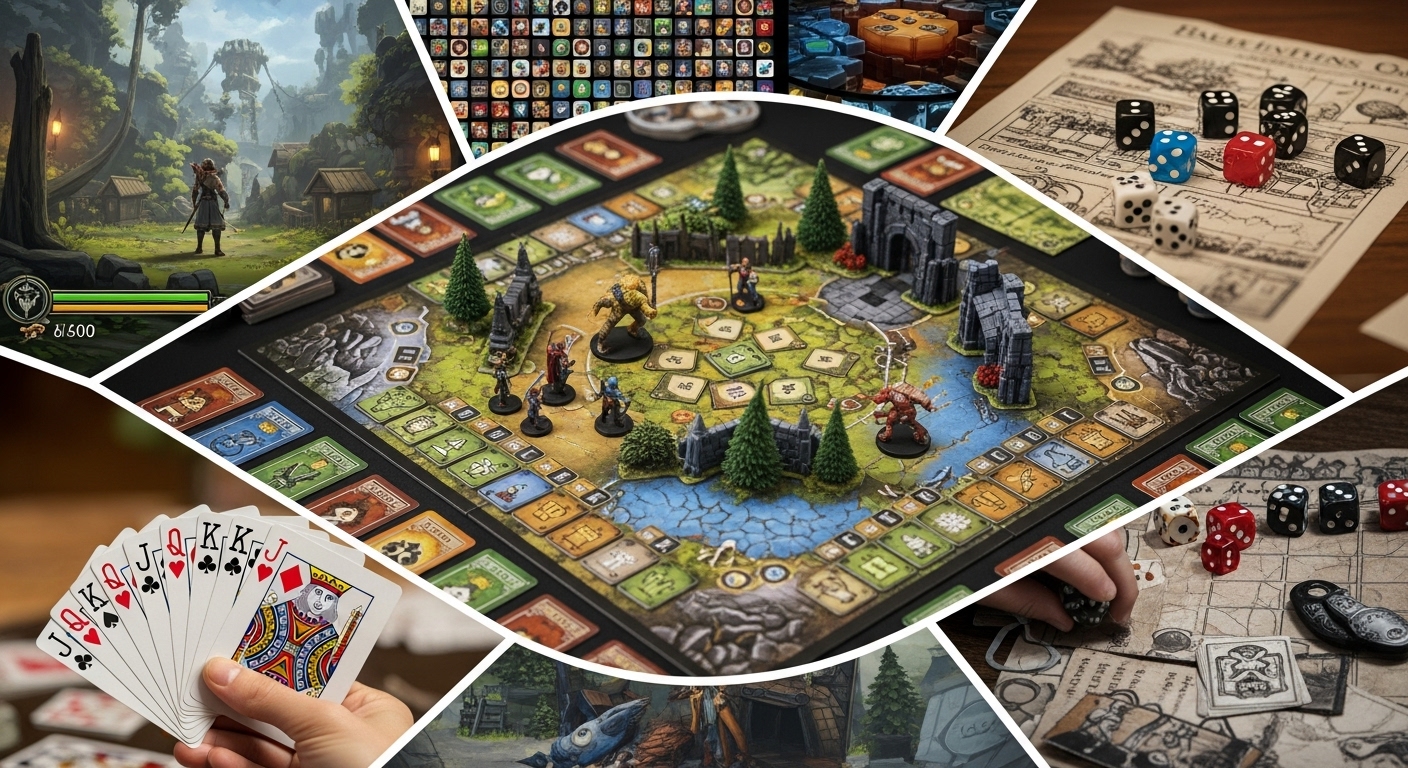
Games are a powerful tool for fostering creativity. Sandbox games, role-playing games, and simulation games encourage players to build, design, and explore unique ideas. Players can experiment with strategies, create virtual worlds, or develop solutions to complex challenges, all within a safe and playful environment.
Creativity in games also extends to fan contributions. Many players create mods, art, or content inspired by their favorite games. This participatory culture strengthens the connection between creators and players and showcases the limitless potential of imagination in gaming.
Mental Health and Games
Contrary to the misconception that gaming is purely recreational, games can positively impact mental health. Engaging in games can reduce stress, provide relaxation, and create a sense of achievement. Multiplayer and cooperative games offer social interaction, combating feelings of isolation.
Games also provide cognitive stimulation, keeping the brain active and engaged. Certain puzzle and strategy games are used as therapeutic tools to enhance memory, problem-solving abilities, and mental focus. When balanced with daily life, gaming can be a meaningful contributor to mental well-being.
Games and Social Change
Games have the power to address social issues and raise awareness. Many games incorporate themes related to environmental conservation, human rights, and cultural understanding. Players are exposed to diverse perspectives and scenarios that encourage empathy and critical thinking.
Gamification, the use of game principles in non-game contexts, is being applied to education, health, and civic engagement. By integrating game mechanics, individuals are motivated to adopt positive behaviors, solve real-world problems, and participate actively in society. Games are no longer just entertainment—they can be catalysts for social awareness and change.
The Future of Gaming
The future of games is dynamic and full of possibilities. Advances in technology, such as artificial intelligence, virtual reality, and cloud gaming, will continue to reshape how games are played and experienced. Games are becoming more immersive, interactive, and personalized, catering to diverse audiences and interests.
Games will increasingly intersect with other forms of media, including movies, television, and music, creating integrated entertainment ecosystems. The industry is also expanding professional opportunities, from game development and design to competitive gaming and content creation. The future of gaming is about creativity, connectivity, and innovation.
Conclusion: The Enduring Power of Games
Games are a fundamental part of human culture and expression. They entertain, educate, and inspire, offering experiences that challenge the mind and connect people. From traditional board games to modern video games and competitive Esports, games continue to evolve, reflecting human creativity, technology, and societal values.
The impact of games extends beyond mere leisure. They foster cognitive development, social interaction, creativity, and professional opportunities. As technology continues to advance, the world of games will grow ever more immersive and influential, shaping entertainment, culture, and society for generations to come. Games are not just play—they are a reflection of human ingenuity and a powerful tool for connection, learning, and imagination.