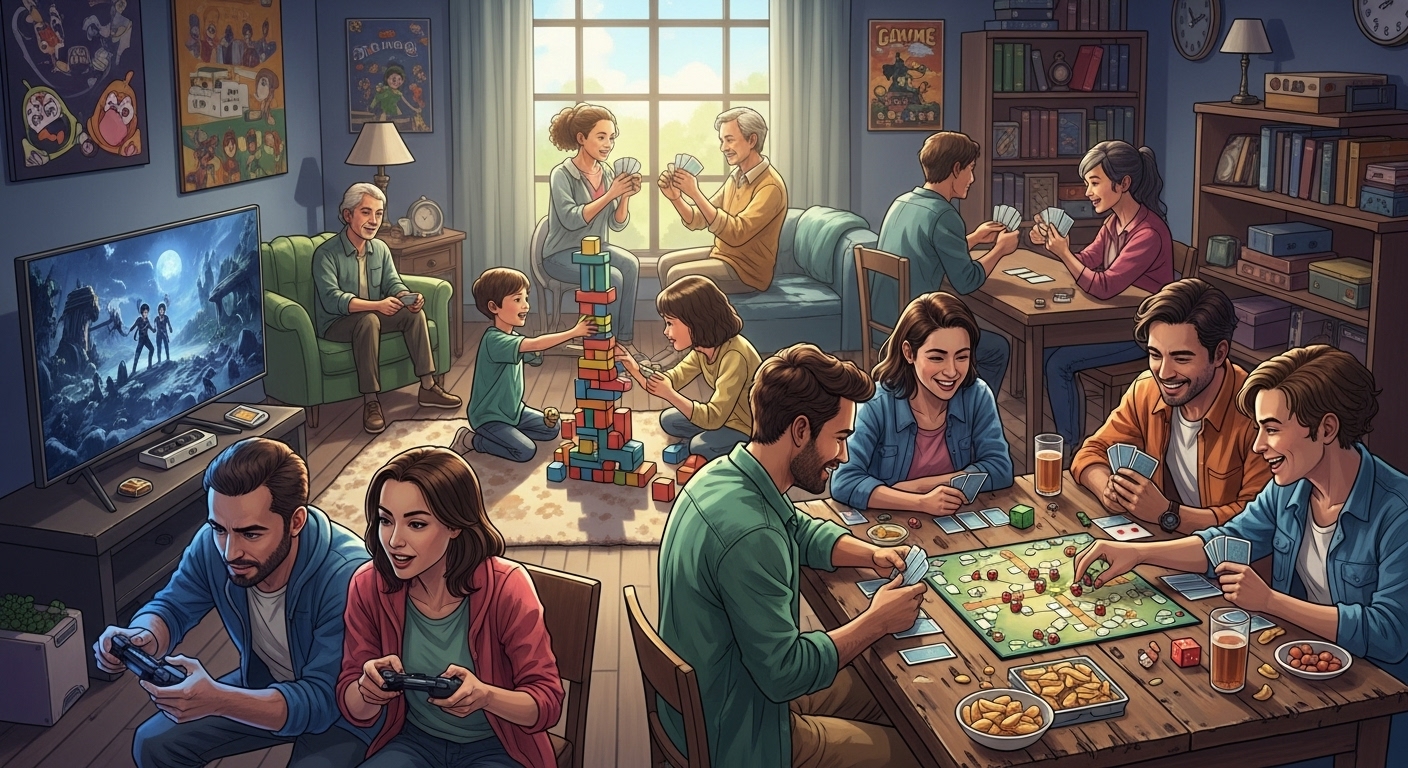







Video games have become an intrinsic part of modern culture, touching nearly every aspect of life. From providing entertainment to fostering communities, gaming has evolved from a niche hobby into a global phenomenon. In this blog post, we’ll take a deep dive into the world of video games, exploring their history, growth, and the exciting innovations shaping the future of play.
The Birth of Video Games: From Pong to the Digital Revolution
The history of video games began in the late 1950s, when pioneers like William Higinbotham and Steve Russell started experimenting with interactive graphics. However, it wasn’t until the 1970s that games entered the public sphere. The release of Pong in 1972 by Atari marked the beginning of commercial video gaming. Simple yet addictive, Pong introduced millions of players to the joys of arcade gaming.
The following years saw a surge in arcade games, with titles like Space Invaders and Pac-Man becoming cultural touchstones. At this point, gaming was largely a solitary or competitive experience in arcades. Yet, these early games laid the foundation for what would become an industry worth billions of dollars.
The Console Era: Gaming at Home
The 1980s and 1990s witnessed the rise of home gaming consoles, forever changing how people played video games. The release of the Nintendo Entertainment System (NES) in 1985 was a game-changer, bringing high-quality games into people’s living rooms. Iconic franchises such as Super Mario Bros. and The Legend of Zelda debuted on this platform, setting the stage for future generations of gamers.
Consoles continued to evolve, with Sega, Sony, and Microsoft entering the market with their respective systems—the Sega Genesis, PlayStation, and Xbox. These consoles pushed the boundaries of technology, offering more immersive experiences and increasingly complex games. Players were no longer confined to small arcade cabinets; they could now explore vast digital worlds from the comfort of their homes.
The Rise of Online Multiplayer: Gaming as a Global Experience
As the internet became more widely available in the late 1990s and early 2000s, multiplayer gaming expanded from local sessions to a global experience. The introduction of online games like EverQuest, Counter-Strike, and World of Warcraft allowed players to connect with others across the world. The once solitary activity of gaming became a shared experience, where players could collaborate or compete against others in real time.
Massively multiplayer online role-playing games (MMORPGs) like World of Warcraft created thriving virtual worlds, fostering communities of players who spent hours, days, and even years exploring these vast digital landscapes. Online gaming also gave rise to esports, where professional players compete in tournaments watched by millions of fans.
The ability to connect with others over the internet transformed gaming from a solitary hobby to a social experience. Gaming became not only a pastime but also a way to make friends, build communities, and form lasting relationships with people from different cultures and backgrounds.
Mobile Gaming: The Pocket Revolution
The 2000s also brought a new era of gaming with the advent of mobile gaming. With the rise of smartphones, gaming became even more accessible. Titles like Angry Birds, Candy Crush Saga, and Clash of Clans reached millions of casual gamers who previously had little interest in traditional video games.
Mobile gaming brought a level of convenience that traditional consoles couldn’t match. Whether you’re waiting for a bus or sitting in a coffee shop, you could pull out your phone and dive into a game. The rise of free-to-play games, supported by in-app purchases, further democratized gaming by making it accessible to anyone with a smartphone.
While mobile gaming has largely been associated with short, casual play sessions, it has also become a platform for more complex games. Titles like Genshin Impact and PUBG Mobile have raised the bar for mobile gaming, providing expansive worlds and competitive gameplay experiences that rival their console counterparts.
Storytelling in Games: Interactive Narratives
One of the most exciting aspects of modern gaming is the growth of storytelling within games. Early video games typically relied on basic plots or no story at all. However, as technology advanced, game developers began to craft rich narratives, often rivaling the best films and novels. Games like Final Fantasy VII, The Last of Us, and Red Dead Redemption 2 are now celebrated for their compelling characters, intricate plots, and emotional depth.
The ability to make choices that affect the course of the story is another unique feature of gaming. Unlike movies or books, where the audience is passive, players actively participate in shaping the narrative. This dynamic allows players to forge their own path, leading to a deeper emotional investment in the outcome of the story.
The blending of storytelling with gameplay mechanics has made video games one of the most immersive forms of entertainment. Players don’t just experience a story—they live it, making decisions that alter the course of the narrative and ultimately affect the game’s ending.
The Growth of Esports: Gaming as a Professional Sport
Esports has become a massive industry in its own right, with millions of fans watching professional players compete in tournaments for large cash prizes. Competitive games like League of Legends, Dota 2, and Overwatch have cultivated dedicated fanbases, with esports leagues and tournaments drawing crowds that rival traditional sports events.
What began as casual gaming has now evolved into a legitimate profession. Professional esports players train and compete full-time, and many players have become celebrities in their own right. Streaming platforms like Twitch and YouTube have allowed these athletes to build large fanbases, offering an intimate look into the lives of gamers and fostering a sense of community.
Esports has also provided new career opportunities, from casters and analysts to game developers and event organizers. The rise of esports has solidified gaming’s place in mainstream entertainment, proving that competitive gaming can be just as exciting and rewarding as traditional sports.
The Future of Gaming: What Lies Ahead?
Looking to the future, the gaming industry shows no signs of slowing down. The next frontier is virtual reality (VR) and augmented reality (AR). VR offers the opportunity for players to fully immerse themselves in digital worlds, providing experiences that feel incredibly real. Games like Beat Saber and Half-Life: Alyx have already shown the potential of VR, and as technology continues to improve, we can expect even more groundbreaking experiences.
Augmented reality, which blends the real and digital worlds, also holds great promise. Pokémon GO proved that AR gaming could be a fun and engaging experience, but this is just the beginning. Future AR games may allow players to interact with the environment in new and exciting ways, transforming how we engage with both digital and physical spaces.
Cloud gaming is another emerging trend, with services like Google Stadia and Xbox Cloud Gaming allowing players to stream high-quality games without the need for expensive hardware. This will make gaming more accessible to a wider audience, as it eliminates the need for powerful consoles or PCs.
Conclusion: The Never-Ending Evolution of Gaming
From its humble beginnings in arcades to the immersive, multiplayer worlds of today, video games have come a long way. The gaming industry has continuously pushed the boundaries of technology, storytelling, and interactivity, providing experiences that captivate and inspire players worldwide. With new innovations on the horizon, the future of gaming is more exciting than ever before.
Whether you’re a lifelong gamer or someone just starting to explore the world of video games, there’s no better time to dive in. The possibilities are endless, and the next chapter in the evolution of gaming is just beginning. As technology continues to advance, who knows what new adventures and challenges await in the digital worlds of tomorrow?