





Introduction: Gaming as a Cultural Phenomenon
Gaming has transformed from a niche hobby into one of the largest and most influential forms of entertainment worldwide. What began as simple pixelated screens has now grown into fully immersive virtual worlds, combining storytelling, strategy, and technology. Today, gaming is more than just a pastime—it is a cultural force that shapes social interactions, creativity, and even education. This blog explores the evolution of gaming, its impact on society, and why it continues to captivate millions of players across the globe.
The Early Days of Gaming: Simplicity and Innovation
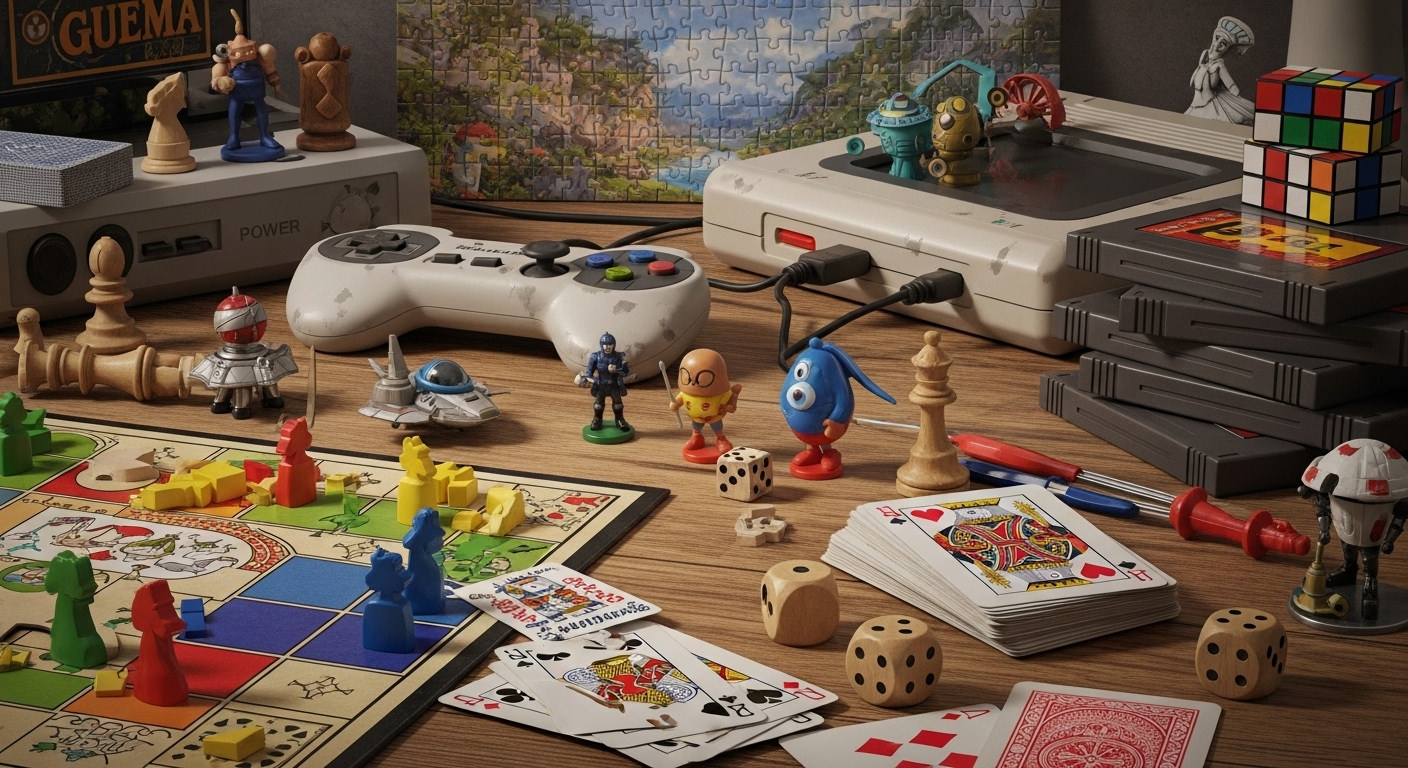
The journey of gaming began in the 1970s and 1980s with arcade classics and early home consoles. Games like Pong, Space Invaders, and Pac-Man introduced players to the thrill of interactive entertainment. Despite limited graphics and simple mechanics, these games had an addictive charm. The challenge was immediate, the rewards satisfying, and the experience shared with friends and family.
During this era, gaming was about high scores and mastering mechanics. The technology was rudimentary, but creativity thrived. Developers had to innovate within tight technical constraints, giving rise to iconic games that are still remembered today. These early games laid the foundation for the complex, story-driven experiences that define modern gaming.
The Rise of Consoles and Home Gaming
The 1980s and 1990s saw the emergence of home consoles, transforming gaming into a household experience. Systems like the Nintendo Entertainment System, Sega Genesis, and PlayStation brought arcade-style gameplay into living rooms. Players could now spend hours exploring expansive worlds, embarking on quests, and enjoying multiplayer experiences without leaving home.
Home consoles also allowed for more complex narratives. Games like The Legend of Zelda and Final Fantasy offered immersive stories and character development, proving that gaming could be more than just point-and-shoot fun. This period marked the shift from casual entertainment to a medium capable of storytelling and artistic expression.
The Explosion of PC Gaming
While consoles gained popularity, PC gaming grew simultaneously, offering flexibility, customization, and technical superiority. PC games introduced genres like real-time strategy, simulation, and massively multiplayer online role-playing games. Titles like Warcraft, SimCity, and EverQuest created new ways to engage players, combining strategy, creativity, and community.
PC gaming also pushed the boundaries of graphics and realism. Gamers could modify games, create mods, and share content, fostering a collaborative culture that remains vibrant today. This era highlighted gaming as a platform for creativity, experimentation, and social connection.
Online Gaming: Connecting Players Globally
The advent of the internet revolutionized gaming. Multiplayer games connected people across continents, making gaming a social experience. Online communities flourished around titles like Counter-Strike, World of Warcraft, and Fortnite. Players could team up, compete, and communicate in real time, blurring the line between entertainment and social networking.
Online gaming also introduced competitive play, laying the foundation for esports. Professional gamers and tournaments created a new form of spectator entertainment. Millions began watching others play, and gaming grew into a legitimate career path for skilled players. The online era made gaming a global phenomenon that united people with shared passions and rivalries.
Mobile Gaming: Entertainment in Your Pocket
The rise of smartphones brought gaming to a broader audience than ever before. Mobile games turned brief moments of downtime into opportunities for engagement. Titles like Angry Birds, Candy Crush, and PUBG Mobile transformed commuting, waiting in line, or short breaks into gaming opportunities.
Mobile gaming’s accessibility changed the industry. Anyone with a smartphone could become a gamer, introducing millions of casual players to interactive entertainment. Despite simpler mechanics compared to consoles and PCs, mobile games emphasize creativity, social sharing, and addictive gameplay loops. This accessibility helped gaming reach new demographics and expand its cultural impact.
The Power of Storytelling in Modern Games
Today, games are not just about mechanics—they are about narrative experiences. Modern games offer cinematic storytelling rivaling movies and TV shows. Titles like The Last of Us, Red Dead Redemption, and God of War immerse players in rich worlds with complex characters and moral dilemmas.
Interactive storytelling allows players to influence outcomes, creating personal experiences that are unique to each individual. This level of engagement fosters emotional connections that traditional media cannot match. Players do not just watch stories—they live them, making decisions that shape the game’s world and their own journey.
The Social Dimension of Gaming
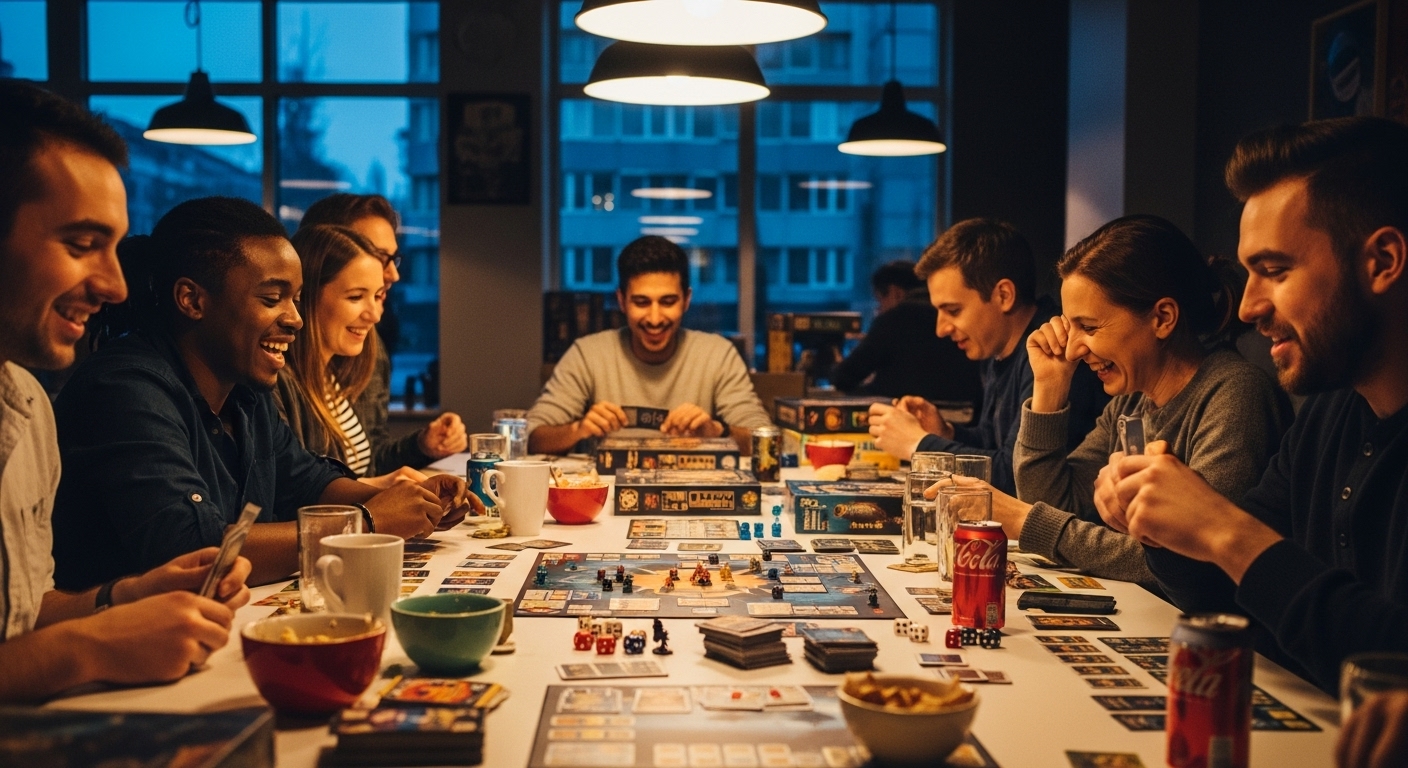
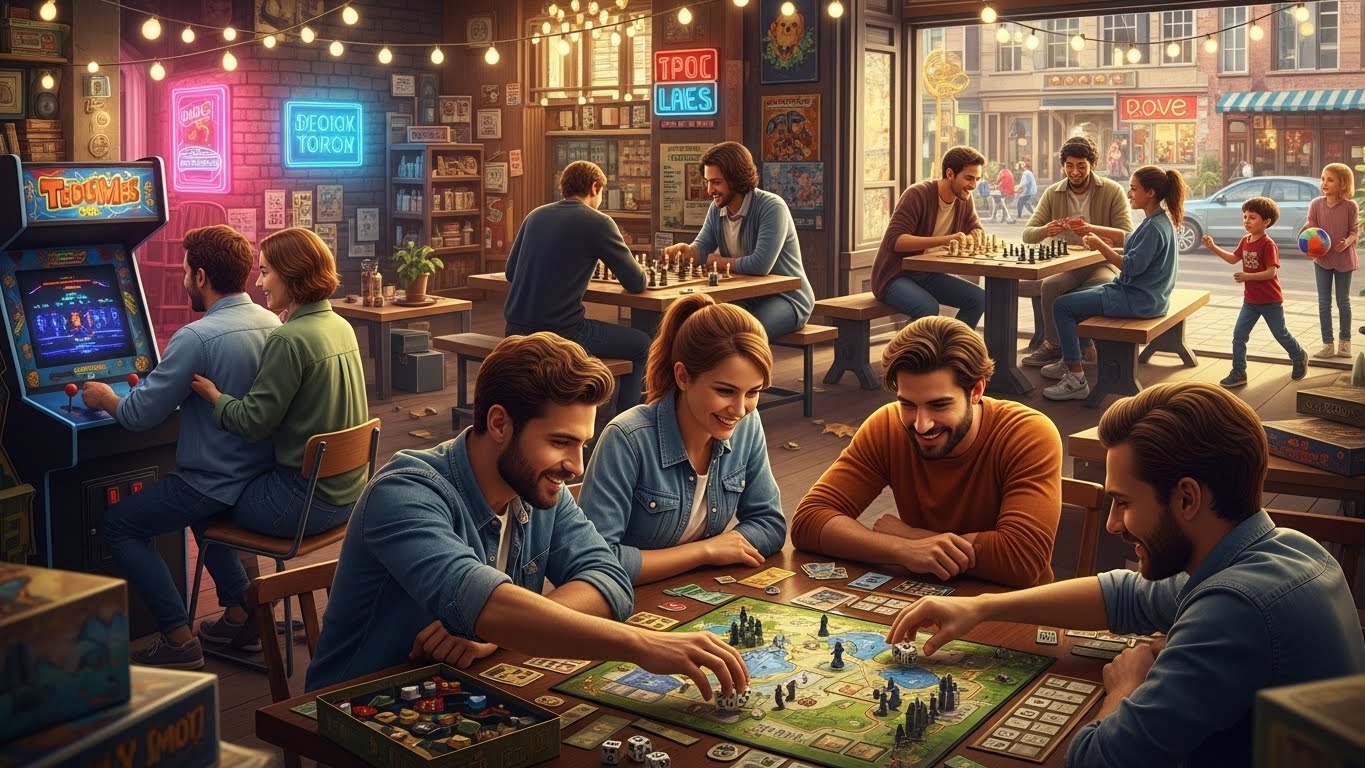
Gaming has become a powerful social connector. Multiplayer and co-op games encourage teamwork, communication, and strategy. Players form communities that extend beyond the game, building friendships and networks that span the globe.
Streaming platforms have further enhanced the social dimension of gaming. Watching others play, commenting on strategies, and participating in live events creates a shared experience for audiences. Gaming is no longer solitary; it is a collaborative, communal activity that brings people together across cultures and languages.
Esports: Gaming as a Spectator Sport
Competitive gaming has grown into a global phenomenon. Esports tournaments attract millions of viewers, offering prize pools rivaling traditional sports. Professional players train rigorously, and teams operate with management structures similar to conventional sports franchises.
Esports has legitimized gaming as a career and inspired a generation of players to pursue excellence. It also demonstrates how gaming can entertain both participants and spectators, creating a unique fusion of skill, strategy, and showmanship. The rise of esports reflects how deeply gaming has penetrated modern culture and entertainment.
Virtual Reality and Immersive Experiences
Virtual reality has opened a new frontier in gaming. VR games provide fully immersive experiences, allowing players to interact with digital environments as if they were real. This technology transforms entertainment into a multi-sensory adventure, combining sight, sound, and motion in ways traditional gaming cannot replicate.
VR is also expanding beyond traditional gaming. Training simulations, educational experiences, and social VR platforms are blending play with learning and collaboration. Immersive gaming represents the future of interactive entertainment, offering experiences that feel tangible and emotionally engaging.
The Impact of Gaming on Society
Gaming is not just entertainment; it has social, educational, and cultural significance. Games teach problem-solving, strategic thinking, and teamwork. They encourage creativity through world-building and modding. They also serve as cultural mirrors, reflecting societal themes and exploring complex issues through interactive narratives.
Gaming communities foster inclusion and collaboration, providing safe spaces for self-expression. They allow people from diverse backgrounds to connect over shared interests, forming bonds that transcend geographical and cultural boundaries. In this way, gaming is both a personal and collective experience that shapes how people interact with the world.
The Future of Gaming: Boundless Possibilities
The future of gaming promises endless possibilities. Cloud gaming, artificial intelligence, and advanced graphics are making experiences more accessible, realistic, and dynamic. Games are becoming adaptive, learning from player behavior to create personalized experiences.
Cross-platform integration ensures that players can engage with games across devices seamlessly. Narrative and gameplay innovations continue to push the boundaries of storytelling. Virtual and augmented reality will redefine immersion, while the integration of AI may lead to worlds that respond intelligently to player choices.
Gaming’s evolution shows no signs of slowing down. It will continue to influence culture, technology, and social interaction, offering experiences that entertain, educate, and inspire.
Conclusion: Gaming as the Ultimate Form of Entertainment
Gaming has come a long way from simple pixelated screens to vast, immersive universes. It is a medium that combines art, technology, and storytelling, offering experiences that are interactive, emotional, and social. From casual mobile games to competitive esports, gaming touches every aspect of modern life.
It is more than entertainment—it is a cultural force, a social connector, and a platform for creativity. As technology evolves, so too will the ways we play, creating new worlds to explore, challenges to conquer, and stories to live. Gaming will continue to captivate millions because it is not just something we do—it is something we experience, together.