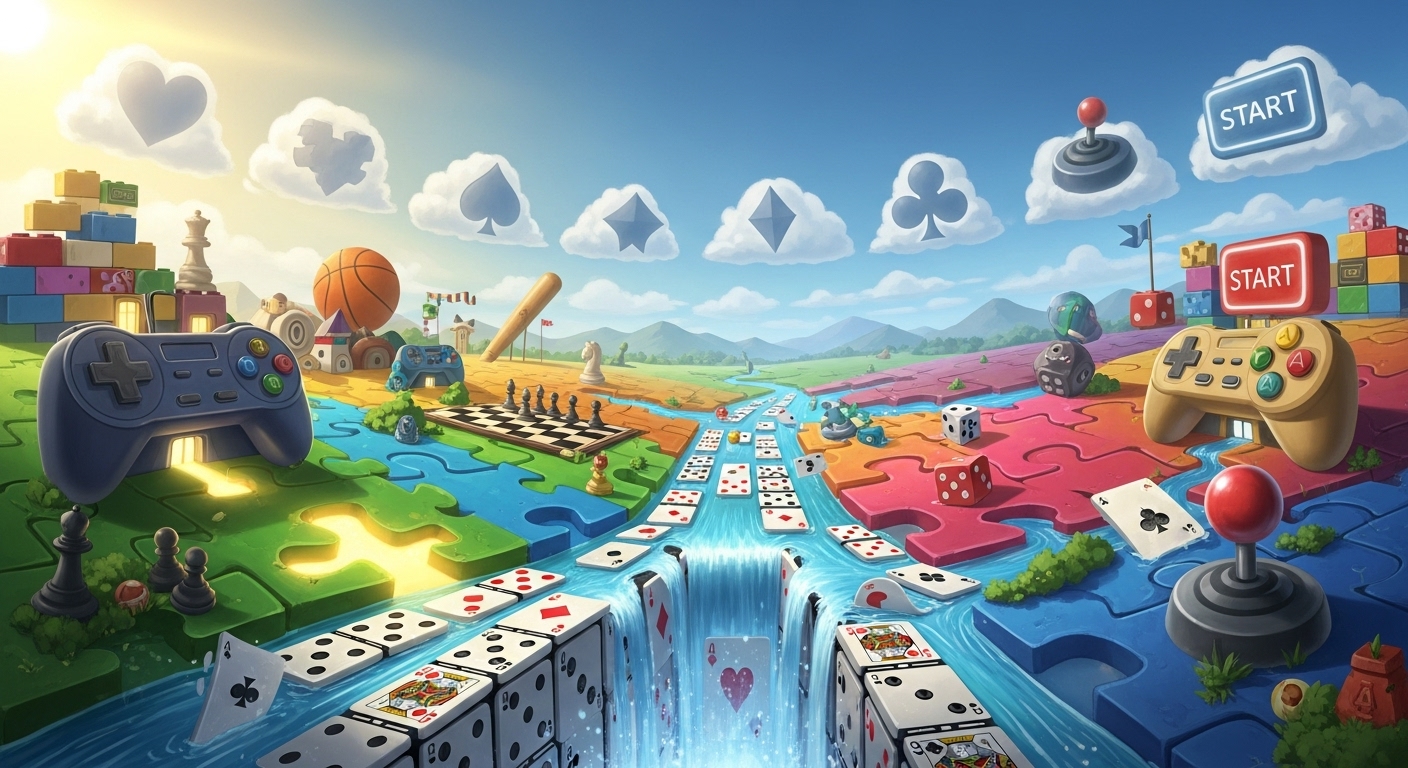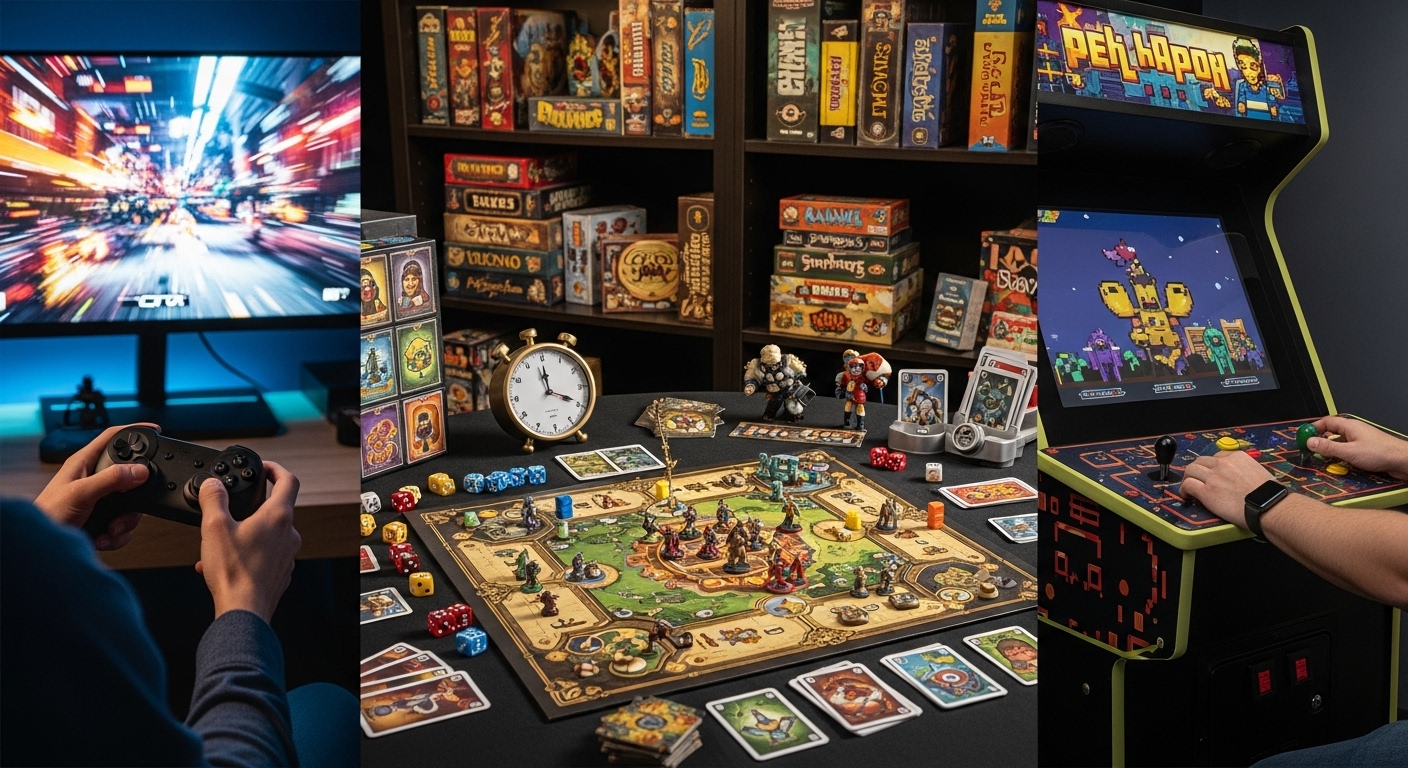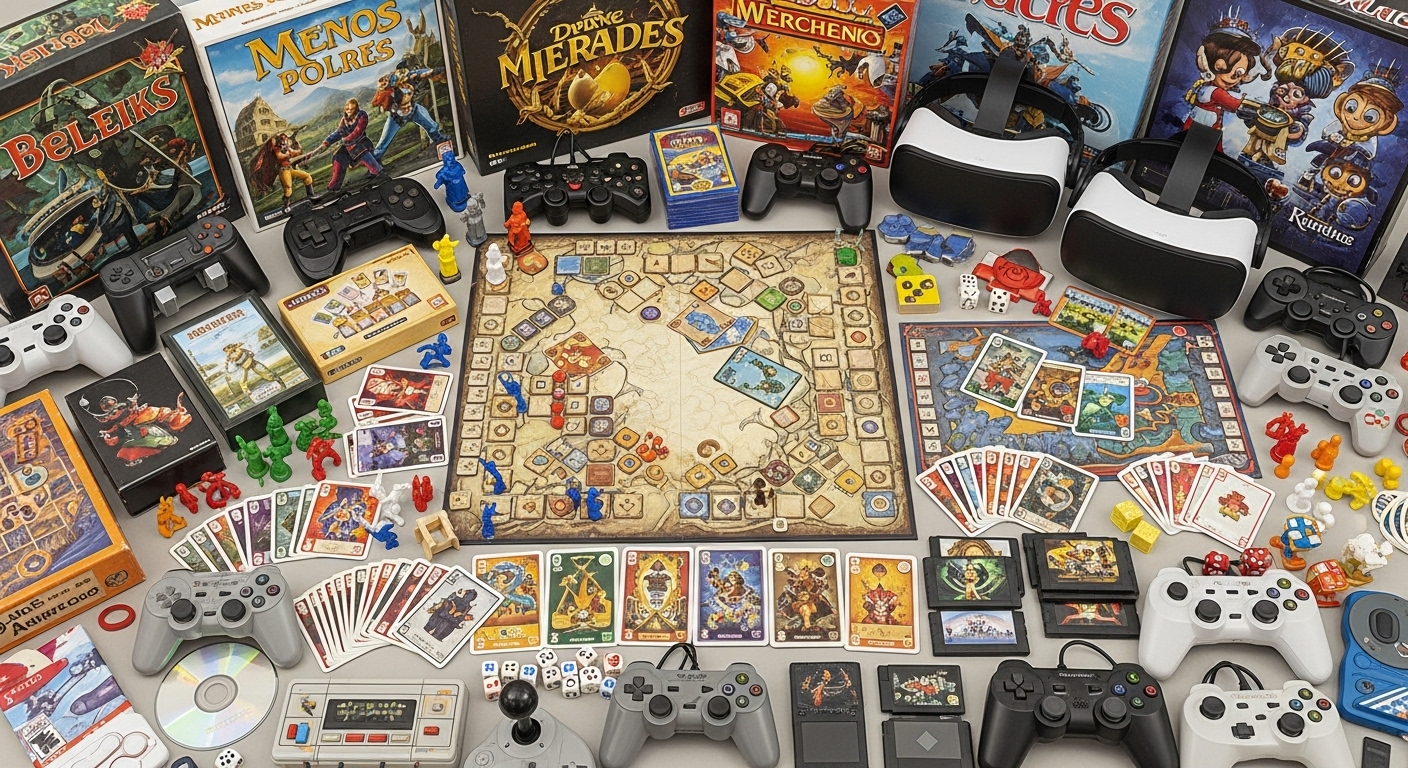






Games have always been an integral part of human culture, offering a unique blend of entertainment, competition, and creativity. From the ancient times of board games carved out of wood to the modern era of immersive virtual reality experiences, games have evolved to become more than just a pastime—they have become a window into imagination, skill, and social connection. In this blog post, we will explore the world of games, examining their types, significance, and the unique experiences they offer to players around the globe.
The Evolution of Games
Games have been part of human society for thousands of years. Early civilizations developed games not just for entertainment but also to teach strategy, problem-solving, and social interaction. Board games like Senet in ancient Egypt or Go in ancient China reflect the ingenuity and cultural depth of their time. These games required players to think critically, plan ahead, and adapt to changing circumstances, traits that remain central to modern gaming.
With the invention of digital technology, games took a giant leap forward. Video games emerged as a new form of storytelling and interaction, combining visuals, sound, and interactivity. Unlike traditional games, digital games offered dynamic environments where players could influence outcomes, creating a more personalized and immersive experience. Over the decades, gaming has grown into a multi-billion-dollar industry, attracting diverse audiences from all walks of life.
Types of Games
Games come in many forms, each offering distinct experiences and challenges. Understanding the different types of games can help players appreciate their depth and complexity.
Board Games
Board games are among the oldest forms of structured play. They rely on strategy, luck, and interaction between players. Classics like chess and Monopoly have entertained generations, teaching strategic thinking and negotiation skills. Modern board games have expanded to include thematic experiences, cooperative gameplay, and complex narratives, offering players more than just competition—they provide shared adventures and storytelling opportunities.
Video Games
Video games are the most popular form of modern gaming. They range from casual mobile games to expansive open-world adventures. Video games can be categorized into genres such as action, role-playing, simulation, strategy, and puzzle games. Each genre appeals to different aspects of human psychology, from the thrill of combat to the satisfaction of solving intricate problems. Immersive storytelling in video games has elevated them to a form of digital art, where players are active participants rather than passive observers.
Sports and Physical Games
Physical games and sports combine athletic skill with mental acuity. Traditional sports like soccer, basketball, and tennis are global phenomena, fostering teamwork, discipline, and physical fitness. Beyond competitive sports, recreational games like tag, hide-and-seek, and frisbee encourage social bonding and creativity. Physical games remind us that play is not only mental but also deeply rooted in the body, promoting health and well-being.
Role-Playing and Tabletop Games
Role-playing games (RPGs) allow players to inhabit different characters and navigate complex narratives. Tabletop RPGs, in particular, rely heavily on imagination, collaboration, and storytelling. Players create worlds, craft adventures, and make decisions that influence the outcome of the game. The freedom to explore different personas and storylines provides a unique sense of agency and creativity, making role-playing games a beloved niche within the gaming community.
Puzzle and Brain Games
Puzzle games challenge the mind, encouraging logic, spatial reasoning, and problem-solving. From classic jigsaw puzzles to modern digital challenges, these games stimulate cognitive development while offering a sense of accomplishment. Brain games are particularly valued for their ability to enhance memory, concentration, and analytical skills, making them both fun and beneficial.
The Psychological Benefits of Gaming
Games are not merely entertainment; they provide numerous psychological benefits. Playing games engages cognitive functions, emotional intelligence, and social skills. Strategy games, for instance, enhance problem-solving abilities and decision-making under pressure. Role-playing and narrative-driven games promote empathy and creativity by allowing players to step into the lives of diverse characters.
Moreover, multiplayer games foster social connection. In online environments, players collaborate, compete, and communicate with others from around the world. These interactions can enhance teamwork, communication skills, and a sense of community. Gaming also provides stress relief and a safe space to explore challenges and emotions, contributing to overall mental well-being.
Games as Cultural Artifacts
Games are reflections of culture and history. They capture societal values, beliefs, and technological advancements of their time. Traditional games often carry stories, rituals, and moral lessons passed down through generations. Digital games, too, reflect contemporary culture, exploring themes such as identity, ethics, and social issues.
The cultural significance of games extends to their ability to connect people across boundaries. A board game in one country may inspire adaptations and variations in another, while a globally popular video game can foster international communities united by shared experiences. Games are not just pastimes—they are cultural artifacts that document human creativity, interaction, and imagination.
The Rise of Esports and Competitive Gaming
Competitive gaming, or esports, has transformed gaming into a spectator sport. Professional players compete in tournaments watched by millions worldwide, often for substantial prizes. Esports requires not only exceptional skill but also strategic thinking, quick reflexes, and teamwork.
The rise of esports has blurred the line between traditional sports and gaming, attracting mainstream attention and investment. Major tournaments are held in arenas filled with cheering fans, while online streaming platforms allow millions to watch live events. Competitive gaming demonstrates that games are not merely recreational—they are a serious pursuit that combines athleticism, strategy, and entertainment.
Gaming Communities and Social Interaction
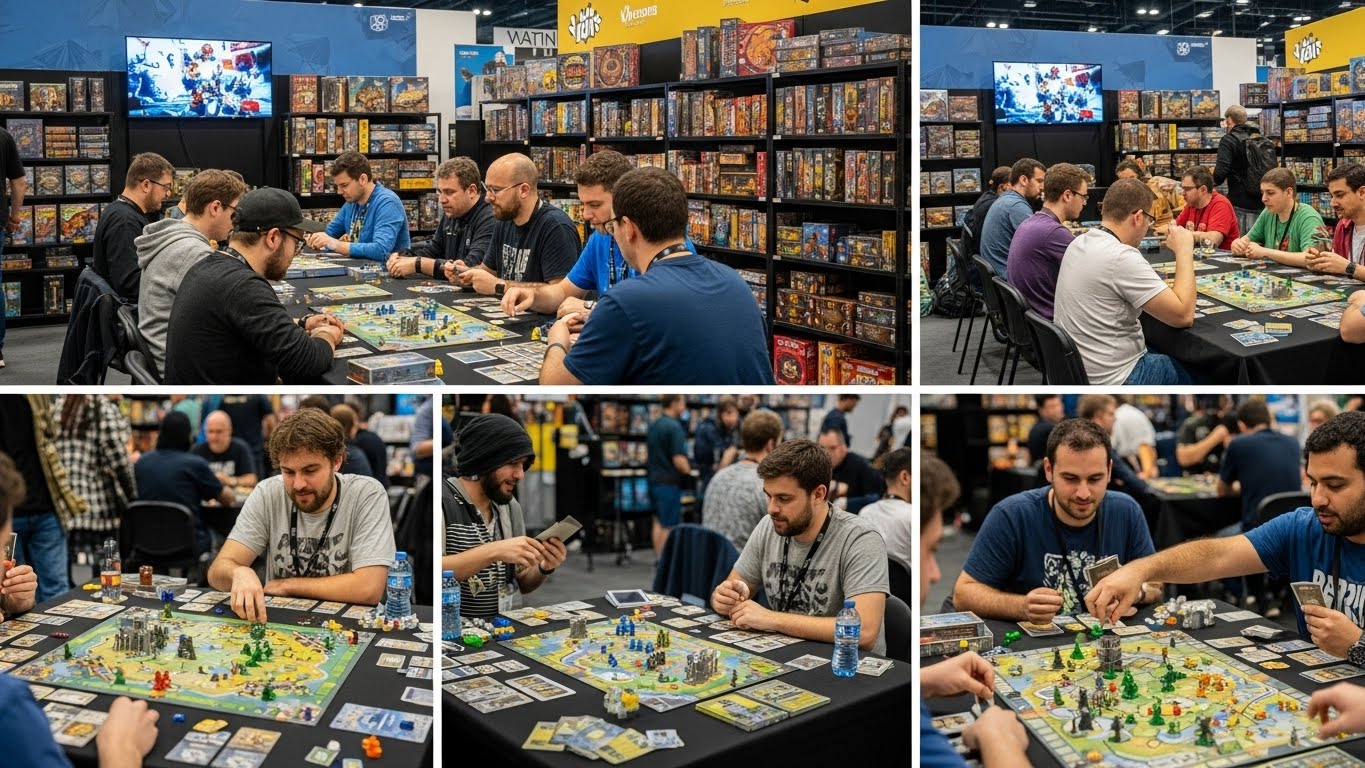
One of the most remarkable aspects of modern gaming is the sense of community it fosters. Online games create spaces where players can meet, collaborate, and build friendships. Social features such as chat, guilds, and co-op missions encourage interaction and teamwork. Gaming communities often extend beyond the digital realm, with conventions, meetups, and fan creations forming a rich social ecosystem.
These communities also provide a sense of belonging. Players with shared interests can connect regardless of geographical or cultural differences. The collaborative nature of gaming encourages inclusivity, creativity, and mutual support, making it a powerful tool for social engagement.
The Future of Gaming
The future of gaming promises even more innovation and immersive experiences. Virtual reality and augmented reality are pushing the boundaries of what is possible, creating environments where players can physically interact with digital worlds. Artificial intelligence is being integrated into game design, making non-player characters smarter and storylines more dynamic.
Moreover, games are increasingly being recognized for their educational potential. Serious games designed for learning, training, and therapy are gaining prominence, demonstrating that games can be tools for growth and development beyond entertainment. The fusion of technology, creativity, and storytelling ensures that gaming will continue to evolve as a multifaceted and influential medium.
Conclusion
Games are far more than a way to pass the time. They are a testament to human creativity, strategic thinking, and the desire for connection and challenge. From ancient board games to cutting-edge virtual realities, games offer experiences that entertain, educate, and inspire. They build communities, nurture skills, and reflect cultural values, making them a vital part of our social and personal lives.
As technology advances and gaming continues to expand, the possibilities are endless. The magic of games lies not just in winning or losing but in the journey, the challenges, and the shared experiences they create. Whether you are a casual player, a competitive gamer, or a storyteller exploring new worlds, games offer a universe of imagination waiting to be explored.
The world of games reminds us that play is a universal language—one that transcends age, culture, and geography. It is an invitation to dream, create, and connect, proving that in the realm of games, the boundaries are limited only by our imagination.