





Introduction: The Endless Allure of Play
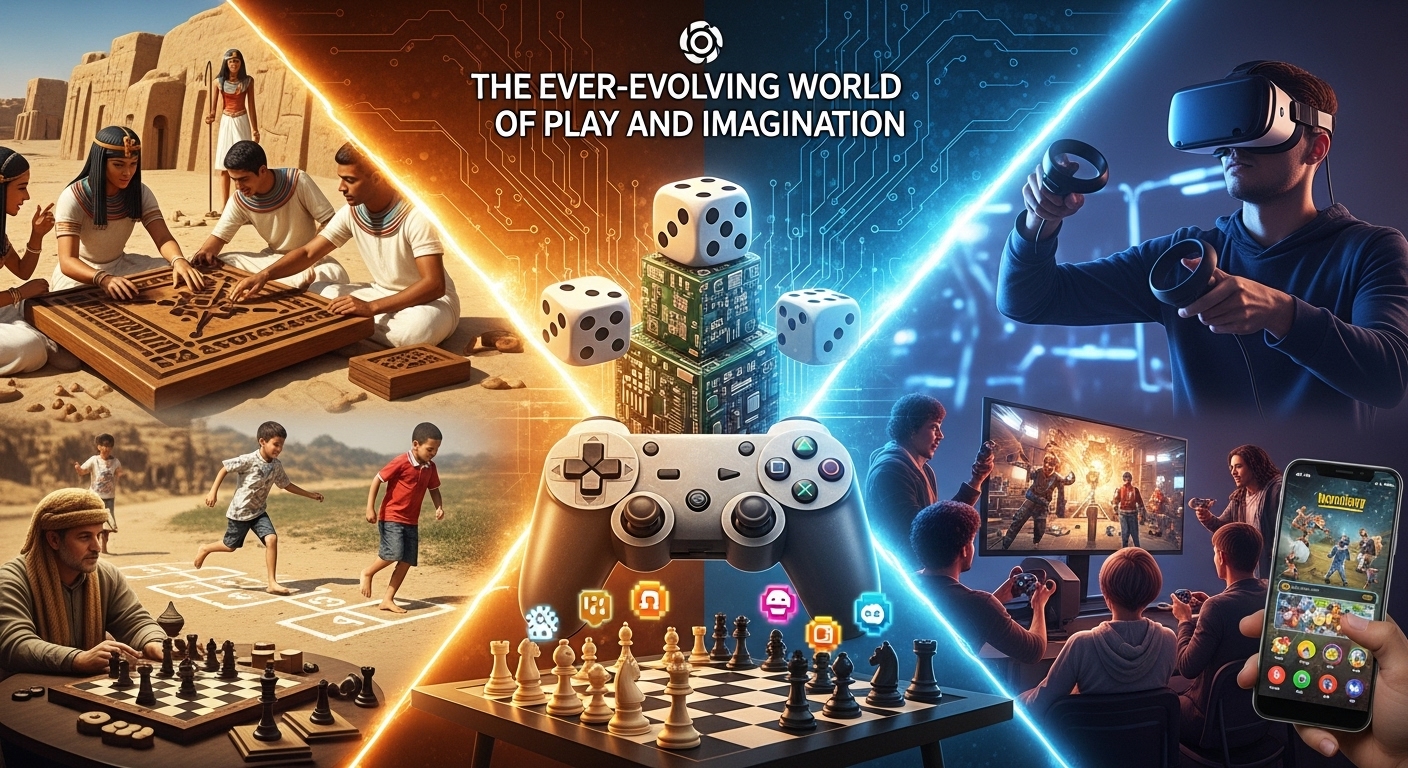
Games have always been an essential part of human civilization. From the earliest days when ancient tribes played with stones and sticks, to the modern digital era filled with virtual worlds and competitive e-sports, games have remained a universal form of entertainment, education, and social bonding. They transcend age, culture, and geography, offering joy, challenge, and creativity. The evolution of games reflects not only technological advancement but also the changes in human behavior, imagination, and communication.
The Ancient Roots of Gaming
Long before video games and consoles existed, people engaged in traditional forms of play. The earliest board games, such as Senet in ancient Egypt or the Royal Game of Ur in Mesopotamia, were not merely for fun but also carried religious and social significance. They were often played by nobles and commoners alike, symbolizing strategy, fate, and competition. Similarly, ancient China introduced Go, one of the oldest board games still played today. It required deep strategic thinking, teaching players patience and foresight.
These games were not just entertainment; they were also tools for mental training and social interaction. Soldiers played dice games to pass the time, children played with handmade toys, and adults found relaxation in community gatherings around games. The desire to compete, to win, and to connect through play is deeply ingrained in human nature.
The Rise of Physical and Outdoor Games
As civilizations developed, physical games became more organized and structured. Ancient Greece introduced the Olympic Games, a symbol of athleticism and unity. Sports like wrestling, running, and discus throwing were not just contests of strength but also demonstrations of honor. These traditions later inspired modern sports such as football, cricket, basketball, and tennis.
Outdoor games brought communities together. In villages and towns, people gathered in open spaces to participate or cheer for their teams. Children learned teamwork and discipline, while adults enjoyed moments of leisure and competition. The concept of sportsmanship, fair play, and teamwork originated from these traditional outdoor games, creating values that continue to influence society today.
The Birth of Board and Card Games
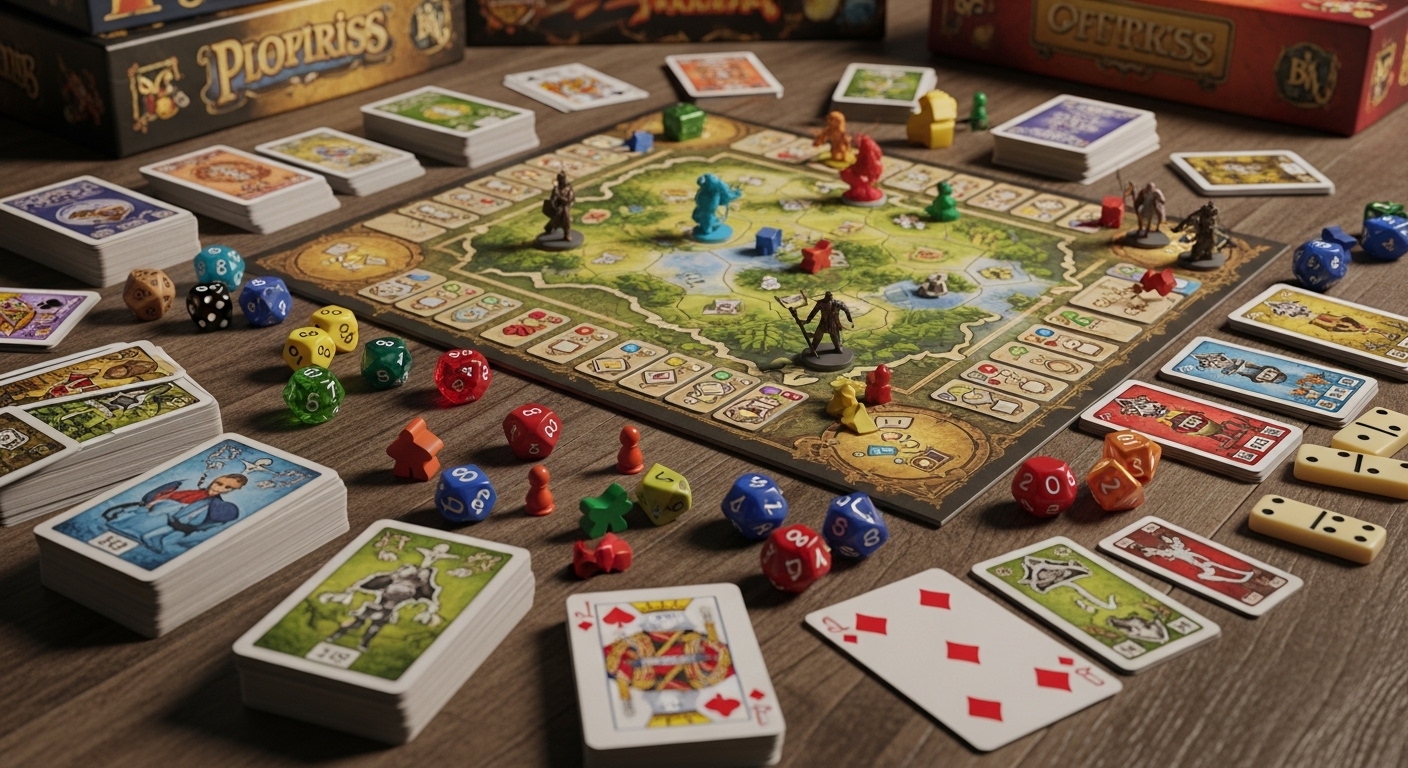
With time, indoor entertainment took shape through board and card games. Chess, believed to have originated in India as Chaturanga, became a global symbol of intellect and strategy. It taught logical reasoning, planning, and the importance of thinking ahead. Card games, which originated in China and spread through Persia and Europe, brought joy and suspense to gatherings.
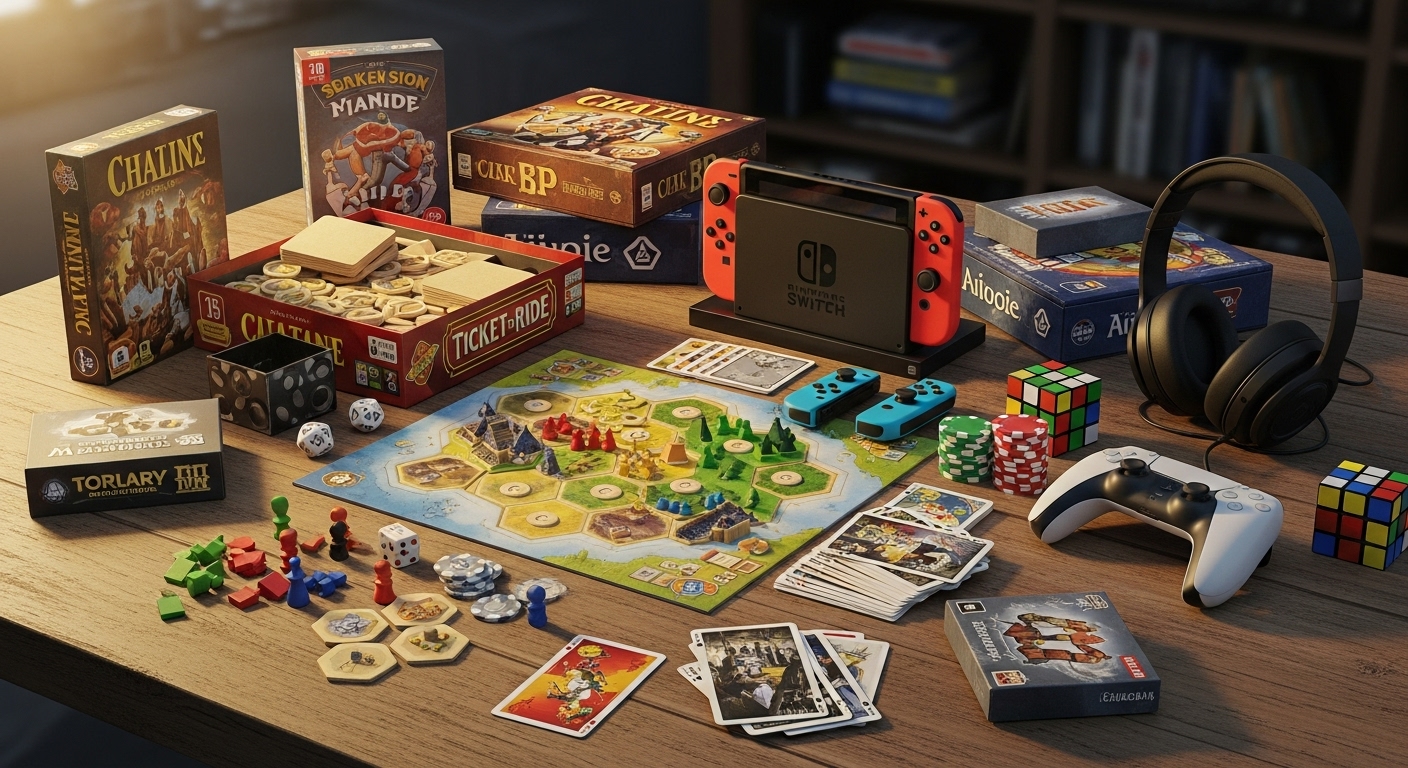
Games like Monopoly, Scrabble, and Checkers later became family favorites in the twentieth century. They provided not only entertainment but also education, enhancing vocabulary, mathematical skills, and negotiation techniques. These traditional games still hold a special place in homes worldwide, especially during family reunions and holidays, reminding us that gaming does not always require a screen or technology.
The Digital Revolution: The Dawn of Video Games
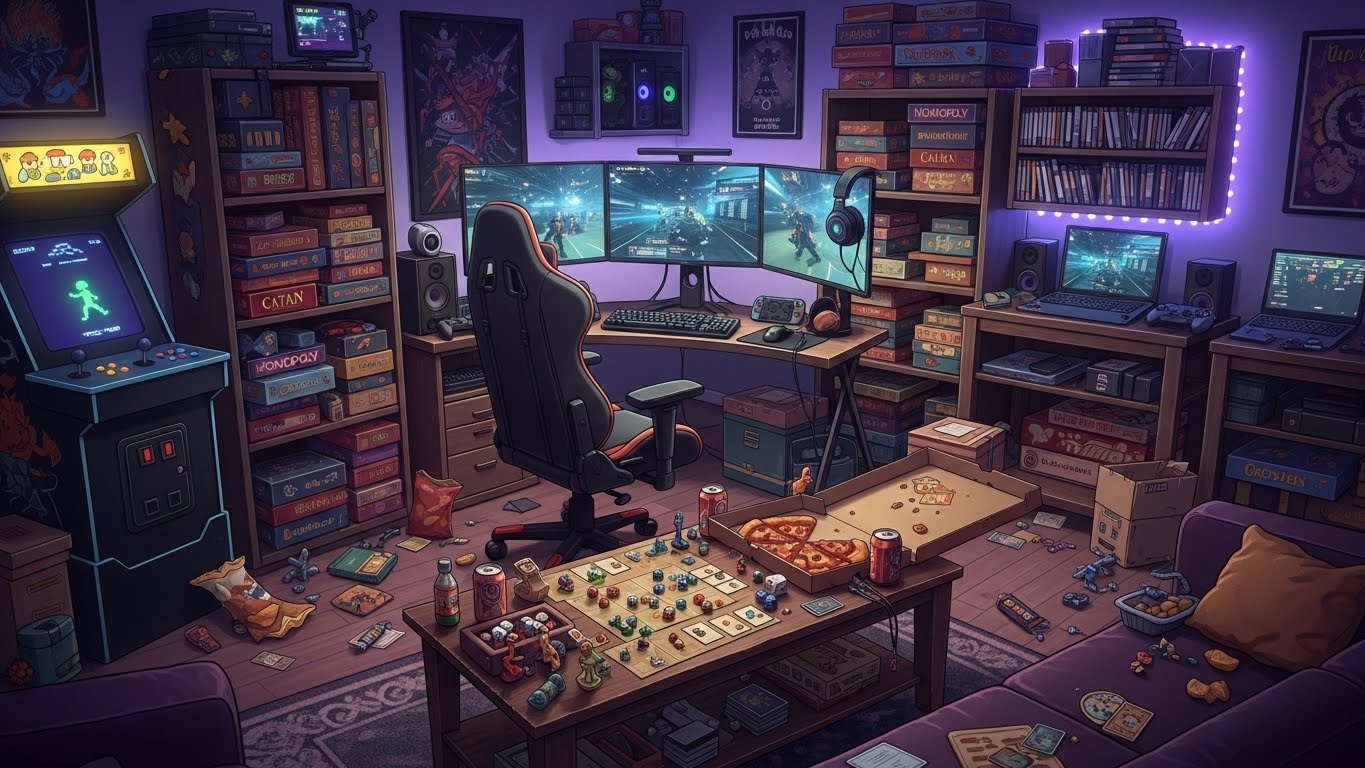
The twentieth century introduced a transformation that changed the concept of gaming forever: the birth of video games. It all began with simple creations like Pong and Space Invaders, which captured the imagination of millions. The 1970s and 1980s became the golden era of arcade gaming, where players gathered in neon-lit halls filled with sounds of coins, digital beeps, and competitive cheers.
Then came home consoles like the Atari, Nintendo Entertainment System, and Sega Genesis, which made gaming accessible in living rooms. These platforms introduced iconic characters such as Mario, Sonic, and Link—names that would become part of global pop culture. The evolution of 8-bit graphics to 3D environments opened a new dimension of storytelling and creativity. Developers began crafting not just games, but experiences that could rival books and movies in emotional depth.
The Evolution of Game Genres
As technology improved, new genres emerged, catering to diverse tastes and player personalities. Action games offered fast-paced excitement, adventure games took players on epic journeys, and role-playing games allowed individuals to step into the shoes of heroes, wizards, or explorers. Strategy games challenged the mind, while simulation games mirrored real life, letting players build cities, farms, or entire civilizations.
Meanwhile, puzzle and casual games found a wide audience, especially among mobile users. Each genre provided unique satisfaction—some fueled adrenaline, others encouraged creativity or relaxation. The diversity of gaming experiences became one of the medium’s greatest strengths, allowing anyone, regardless of age or background, to find something enjoyable.
The Age of Online Multiplayer Gaming
The rise of the internet in the late 1990s and early 2000s transformed gaming yet again. Players were no longer limited to local opponents or computer-controlled characters. Now, they could compete or cooperate with others across the world in real time. Online multiplayer games like Counter-Strike, World of Warcraft, and later Fortnite, redefined community and competition.
Gaming became a shared experience, where teamwork, communication, and strategy played crucial roles. Entire virtual economies formed within these digital worlds, and friendships blossomed between people who might never meet in real life. The concept of online clans, guilds, and alliances gave gaming a new social dimension, turning it into a global phenomenon.
Mobile Gaming: Entertainment in Your Pocket
The introduction of smartphones revolutionized gaming accessibility. Suddenly, millions of people could play games anywhere and anytime. Titles like Angry Birds, Candy Crush, and Clash of Clans proved that even simple games could captivate massive audiences. Mobile gaming blurred the line between casual and hardcore players, making gaming a universal pastime.
This era also opened doors for independent developers who could create and publish their own games on mobile platforms. Unlike traditional console or PC games that required large budgets, mobile games offered opportunities for creativity and innovation at smaller scales. The result was an explosion of unique ideas, art styles, and mechanics that enriched the gaming landscape.
The Power of Storytelling in Games
Modern games are not just about action or challenge—they are also about storytelling. Today’s titles often rival Hollywood films in emotional impact and narrative depth. Games like The Last of Us, Red Dead Redemption, and God of War showcase storytelling that immerses players in complex characters, moral dilemmas, and cinematic experiences.
Story-driven games allow players to make choices that influence outcomes, creating a sense of ownership and personal connection. This interactivity sets games apart from passive forms of media. Players become co-authors of their journeys, shaping the story through their actions and decisions. Such emotional engagement is one of the reasons why games have become an art form in their own right.
The Rise of Esports
What once started as friendly competitions has now evolved into a global professional industry: esports. Competitive gaming attracts millions of viewers worldwide, with tournaments filling stadiums and offering multi-million-dollar prizes. Games like Dota 2, League of Legends, and Counter-Strike: Global Offensive have become the foundation of this digital sport.
Esports has given rise to professional players, commentators, analysts, and coaches, forming an ecosystem similar to traditional sports. Streaming platforms allow fans to follow their favorite teams and personalities, turning gaming into a spectator event. For many, esports represents a dream career path and a new form of entertainment that combines skill, strategy, and showmanship.
Educational and Cognitive Benefits of Gaming
Contrary to outdated stereotypes, games offer numerous cognitive and educational benefits. Studies have shown that strategic and problem-solving games enhance critical thinking, spatial reasoning, and multitasking abilities. Puzzle games improve memory and attention, while simulation games teach planning and resource management.
Educational games have also found a place in classrooms, helping children learn math, science, and history through interactive experiences. Beyond academics, gaming promotes collaboration, perseverance, and adaptability. It teaches players how to deal with failure, develop patience, and think creatively—skills valuable in real life.
The Social Impact of Games
Games are not just entertainment—they are social experiences. In multiplayer environments, people from different cultures collaborate, communicate, and compete. These interactions can break down barriers and foster understanding. Virtual worlds provide safe spaces for self-expression, creativity, and friendship.
Moreover, games have become tools for social activism and awareness. Developers use storytelling to highlight global issues such as climate change, mental health, and inequality. This shows how games can inspire empathy and change, proving that they can be both fun and meaningful.
The Dark Side of Gaming
Despite its many positives, gaming also faces criticism and challenges. Excessive gaming can lead to addiction, social isolation, or neglect of responsibilities. The competitive pressure in online environments can sometimes result in toxicity or harassment. In addition, some games exploit players through microtransactions or gambling-like mechanics.
Balancing playtime with real-life obligations is essential. Developers, parents, and players must work together to ensure that gaming remains a healthy and enjoyable activity. With proper awareness and moderation, the negative effects can be minimized, allowing the medium to thrive responsibly.
Virtual Reality and the Future of Immersion
The next frontier in gaming is virtual and augmented reality. VR headsets transport players into fully immersive environments where they can move, interact, and experience games firsthand. This level of immersion opens up possibilities beyond entertainment, extending into fields such as education, medicine, and architecture.
Imagine learning history by walking through ancient cities in VR or practicing surgery in a realistic simulation. The potential is limitless. As technology continues to advance, the boundary between reality and the digital world will blur even further, making gaming experiences more lifelike and interactive.
Artificial Intelligence and Game Design
Artificial intelligence has also revolutionized game development. Modern AI systems create smarter enemies, adaptive environments, and personalized challenges. In narrative-driven games, AI can even generate dynamic dialogue, making each playthrough unique. Procedural generation, powered by AI, allows developers to create vast open worlds with minimal manual input.
AI is also being used to analyze player behavior, helping developers design better and more engaging experiences. It learns from how players interact with the game, adjusting difficulty levels or suggesting improvements. This intelligent design makes games more accessible and enjoyable for everyone.
Indie Games and Creative Freedom
While big-budget games dominate the market, independent developers have proven that creativity and passion matter more than resources. Indie games often explore unique concepts, art styles, and emotional themes that mainstream studios avoid. Titles like Celeste, Hollow Knight, and Undertale showcase the artistic and emotional power of indie creativity.
These games remind us that gaming is not just a commercial product—it’s a form of expression. Indie developers experiment fearlessly, often tackling subjects like identity, loneliness, and hope. Their success stories inspire a new generation of creators who dream of making meaningful games.
The Community and Culture of Gaming
Gaming communities have grown into vast, interconnected networks. Players gather on forums, social media, and streaming platforms to discuss strategies, share creations, and celebrate their favorite games. Cosplay, fan art, and game conventions further enrich this culture, transforming gaming into a lifestyle.
Events like game expos bring fans and developers together, creating spaces for innovation and collaboration. This culture thrives on passion, creativity, and shared enthusiasm, showing that games are not just products but cultural phenomena that unite people globally.
The Future of Gaming
As we look ahead, the future of gaming appears limitless. Cloud gaming will make high-end experiences accessible without expensive hardware. Artificial intelligence will make games smarter and more responsive. Augmented and virtual reality will merge entertainment with real-world interaction. And most importantly, the community will continue to grow, embracing diversity and inclusivity.
Gaming is evolving into something greater than anyone could have imagined—a universal language of creativity and play. Whether you are a casual player, a competitive gamer, or simply an admirer of interactive art, the world of games will always have something to offer.
Conclusion: The Infinite Game of Life
Games are more than just pastimes—they are reflections of human curiosity, imagination, and ambition. From ancient boards to virtual worlds, the journey of gaming mirrors the progress of civilization itself. It teaches us, challenges us, and brings us together. Whether physical or digital, simple or complex, games will continue to inspire joy and connection across generations.
In the end, life itself can be seen as a grand game, filled with levels to overcome, challenges to master, and moments to enjoy. As technology and creativity expand, the story of games will keep evolving—forever reminding us that play is not just for fun; it is a vital part of being human.