





Introduction: The Ever-Evolving Landscape of Games
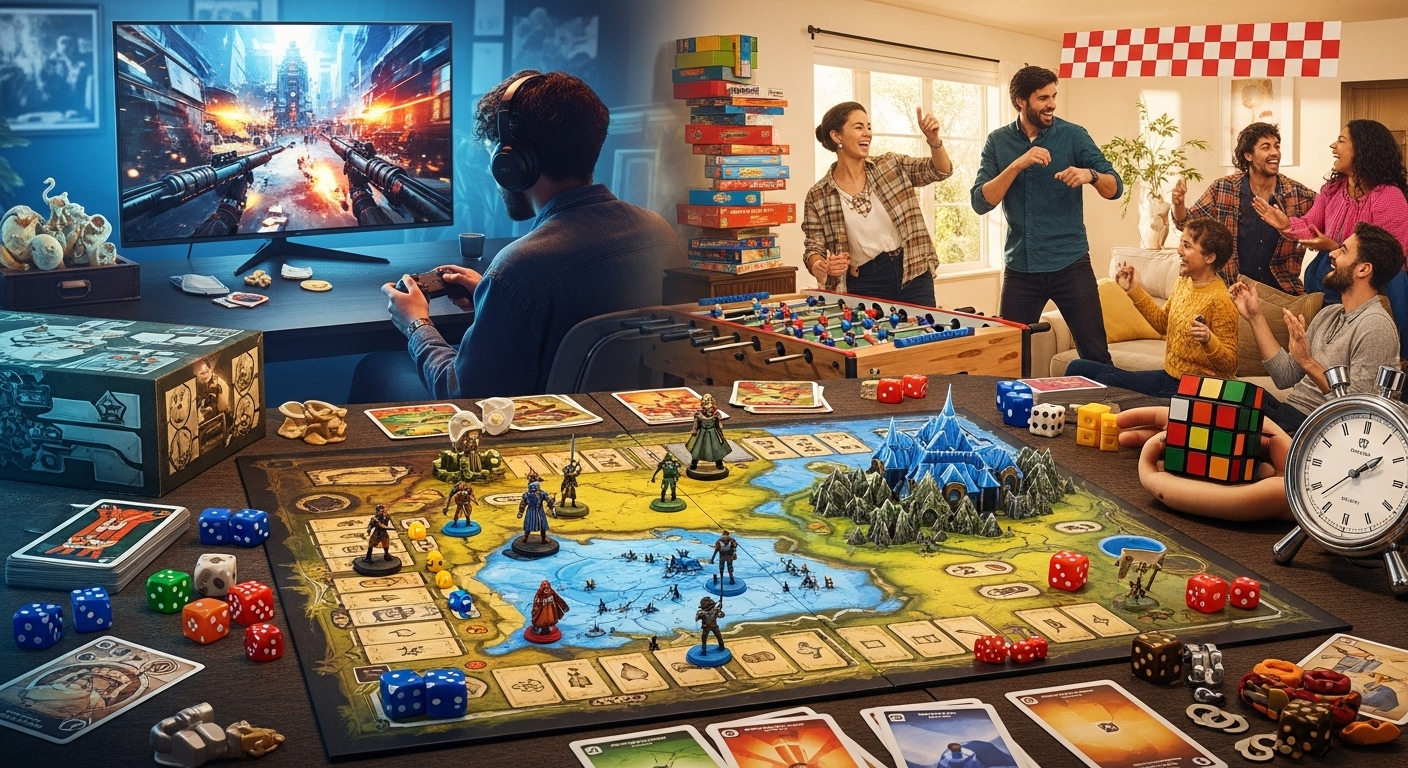
Games have been an integral part of human culture for centuries, evolving from simple pastimes to complex digital experiences that captivate millions around the globe. The beauty of games lies not only in their ability to entertain but also in their power to educate, inspire, and connect people across boundaries. From traditional board games to immersive virtual realities, the gaming world continues to expand, offering experiences that cater to diverse interests and preferences. In this blog, we explore the fascinating universe of games, their unique characteristics, and why they have become an essential part of modern life.
The Timeless Appeal of Board Games
Board games are among the oldest forms of organized play, dating back thousands of years. Games like chess, checkers, and backgammon have endured the test of time, proving that strategic thinking and social interaction never go out of style. The appeal of board games lies in their simplicity and accessibility. Unlike digital games, they require no electricity or advanced technology, making them perfect for gatherings and family bonding.
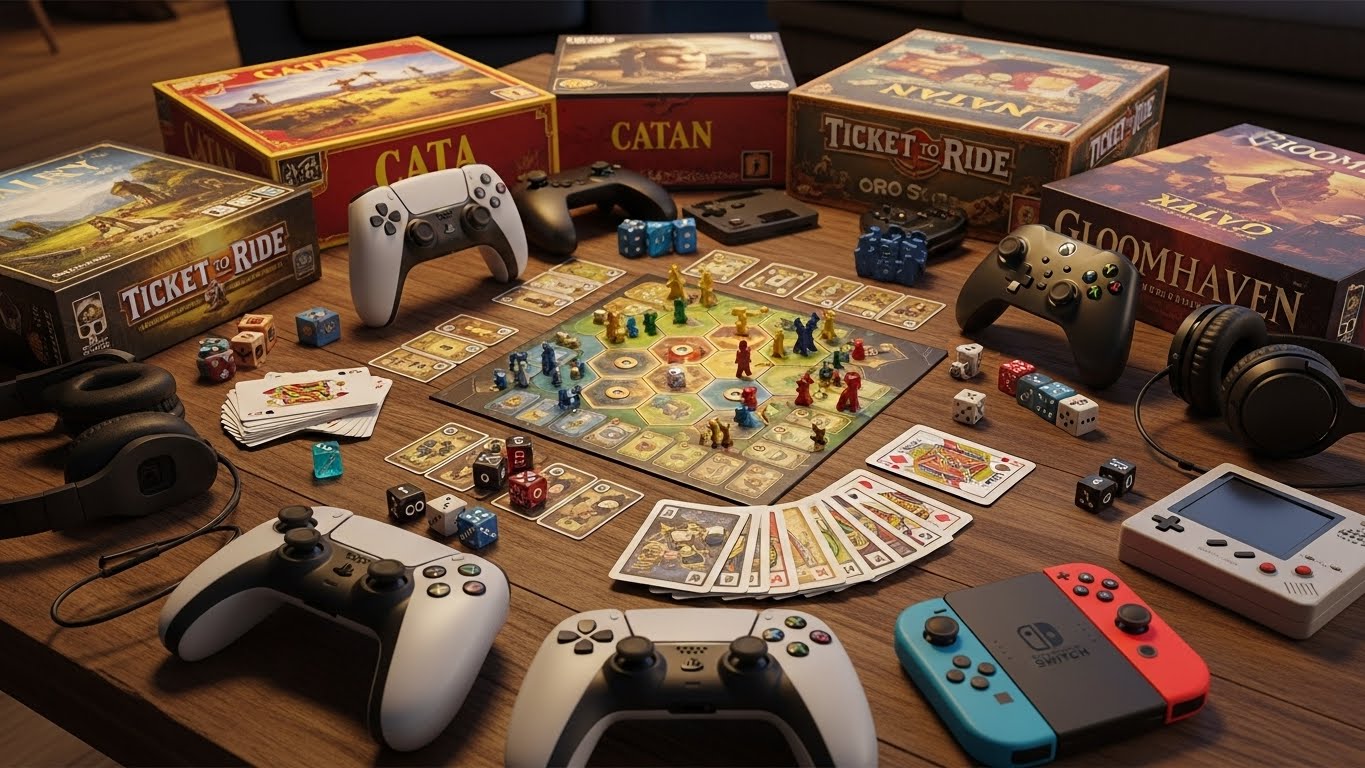
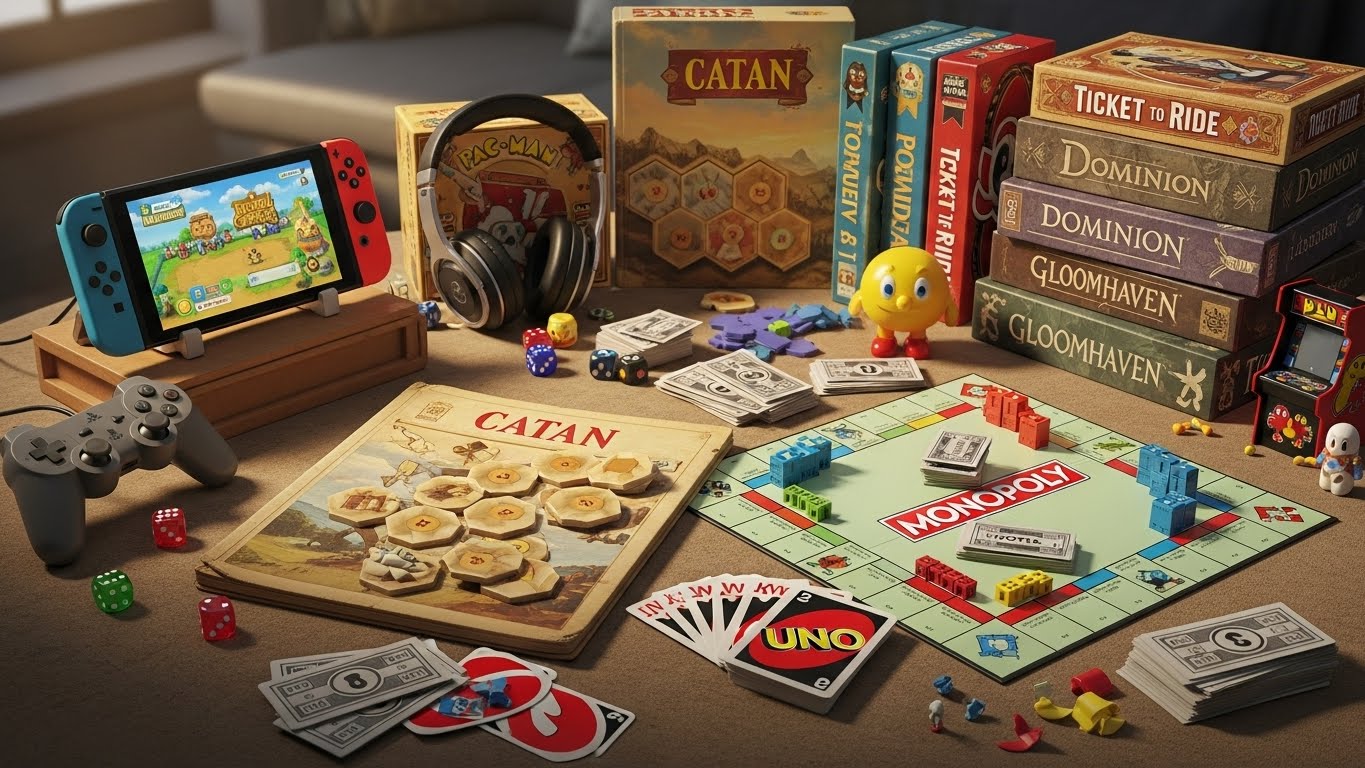
Modern board games, however, have evolved to include intricate narratives and innovative mechanics that go beyond traditional gameplay. Games like Settlers of Catan and Ticket to Ride have introduced players to strategy, resource management, and negotiation, transforming the board game experience into an engaging intellectual challenge. Beyond entertainment, board games foster skills such as critical thinking, collaboration, and patience, making them valuable tools for personal development.
The Rise of Video Games: A Digital Revolution
The advent of video games marked a revolutionary shift in the gaming landscape. Video games transformed static forms of play into interactive digital experiences, offering limitless possibilities for storytelling, creativity, and exploration. From pixelated classics like Super Mario Bros. to modern masterpieces like The Legend of Zelda: Breath of the Wild, video games have consistently pushed technological boundaries while providing immersive worlds for players to explore.
Video games cater to a vast range of genres, from action-packed shooters to mind-bending puzzles, ensuring that there is something for everyone. Role-playing games allow players to step into the shoes of characters with rich backstories and moral dilemmas, while simulation games enable players to build and manage entire civilizations or cities. The interactivity of video games also fosters problem-solving skills, strategic thinking, and hand-eye coordination, proving that gaming can be both entertaining and intellectually stimulating.
The Social Dimension of Multiplayer Games
One of the most transformative aspects of modern gaming is its social dimension. Multiplayer games have turned gaming into a shared experience, connecting players from around the world in real-time. Online platforms have created communities where players collaborate, compete, and communicate, forming bonds that often extend beyond the virtual realm.
Games like Fortnite and Among Us exemplify the power of social interaction in gaming. While their core mechanics are engaging, their true success lies in the way they facilitate teamwork, communication, and social engagement. Multiplayer games also create opportunities for eSports, where professional players compete in organized tournaments watched by millions of spectators worldwide. This phenomenon has elevated gaming to a professional sport, demonstrating that games are no longer mere hobbies but viable career paths.
Educational Games: Learning Through Play
Games are not just a source of entertainment; they are powerful educational tools. Educational games leverage the engaging nature of play to teach concepts, enhance cognitive skills, and promote problem-solving. These games cater to learners of all ages, from children developing basic literacy and numeracy skills to adults mastering complex subjects.
Examples of educational games include language learning apps that gamify vocabulary building, historical strategy games that immerse players in past civilizations, and science-based simulations that encourage experimentation and exploration. By making learning interactive and enjoyable, educational games foster curiosity and motivation, proving that the boundary between fun and education is often blurred.
The Psychological Impact of Games
Research has shown that games can have profound psychological effects, both positive and negative. On the positive side, games provide a sense of achievement, boost self-esteem, and reduce stress. The process of overcoming challenges, solving puzzles, and mastering skills creates a rewarding experience that reinforces persistence and resilience.
Games also offer an escape from reality, allowing players to immerse themselves in fantastical worlds where they can explore identities, relationships, and scenarios beyond their everyday lives. For many, gaming serves as a therapeutic outlet, providing relief from anxiety and fostering mental well-being.
However, excessive gaming can lead to negative consequences, including addiction, social isolation, and impaired physical health. The key is balance and moderation, ensuring that gaming enhances life rather than detracting from it. With mindful engagement, games can be a force for mental enrichment, creativity, and emotional growth.
Virtual Reality and Augmented Reality: The Future of Immersive Gaming
The future of gaming is being shaped by innovations in virtual reality (VR) and augmented reality (AR). VR creates fully immersive environments where players can interact with digital worlds as if they were real, while AR overlays digital elements onto the physical world, enhancing reality with interactive experiences.
These technologies are revolutionizing gaming by providing unprecedented levels of immersion and interactivity. VR games like Beat Saber and Half-Life: Alyx allow players to physically move, dodge, and interact with game elements, creating a sensory experience that traditional gaming cannot replicate. AR games like Pokémon Go encourage players to explore their real-world surroundings while engaging in virtual challenges, blending physical activity with digital fun.
As VR and AR continue to evolve, the potential for gaming experiences becomes limitless. Imagine collaborative VR worlds where players build civilizations together, or AR-enhanced classrooms where educational games bring abstract concepts to life. The possibilities are as boundless as the human imagination.
Indie Games: Creativity Unleashed
While mainstream games dominate the market, indie games have carved out a unique niche, showcasing the creativity and innovation of small development teams. Indie games often prioritize artistic expression, narrative depth, and experimental mechanics over commercial appeal.
Games like Hollow Knight, Stardew Valley, and Celeste exemplify the indie spirit, offering emotionally resonant stories, intricate gameplay, and unique artistic styles. Indie developers are not constrained by the pressures of mass-market profitability, allowing them to take risks and explore unconventional ideas. This has led to a surge of games that challenge traditional norms, spark new genres, and redefine what gaming can be.
Indie games also highlight the power of community support, with crowdfunding platforms and digital distribution enabling developers to reach audiences directly. The success of indie games demonstrates that passion, creativity, and innovation can thrive even in a competitive industry dominated by major studios.
The Cultural Significance of Games
Games are more than entertainment; they are cultural artifacts that reflect societal values, history, and human imagination. They tell stories, convey emotions, and explore themes that resonate with players on a personal level. Video games, in particular, have become a medium for storytelling comparable to literature, film, and theater.
Games often address complex topics such as identity, morality, politics, and social issues. Through interactive storytelling, players are encouraged to engage with these themes actively, making choices that influence outcomes and perspectives. This interactivity sets games apart from other art forms, creating a unique platform for empathy, reflection, and cultural exploration.
Furthermore, gaming culture has influenced fashion, music, and even language, creating a global subculture that transcends borders. Cosplay, fan art, online forums, and conventions all contribute to the cultural significance of games, making them an integral part of contemporary society.
Conclusion: The Endless Possibilities of Play
The world of games is vast, diverse, and ever-evolving. From ancient board games to cutting-edge virtual realities, games have the power to entertain, educate, and connect people across the globe. They challenge our minds, inspire creativity, and provide a platform for social interaction and personal growth.
As technology advances and creativity flourishes, the possibilities for gaming experiences are limitless. Games are no longer just a pastime—they are a reflection of human ingenuity, a medium for storytelling, and a bridge between imagination and reality. Whether you are a casual player, a competitive gamer, or someone who appreciates the artistry of game design, the universe of games offers endless opportunities to explore, learn, and enjoy.
In the end, games remind us of a simple truth: play is not just for children. It is a fundamental aspect of being human, a way to connect with others, challenge ourselves, and experience the joy of creativity in its purest form. The world of games is vast, and its possibilities are infinite. All that remains is to press start and embark on the adventure.