






Introduction
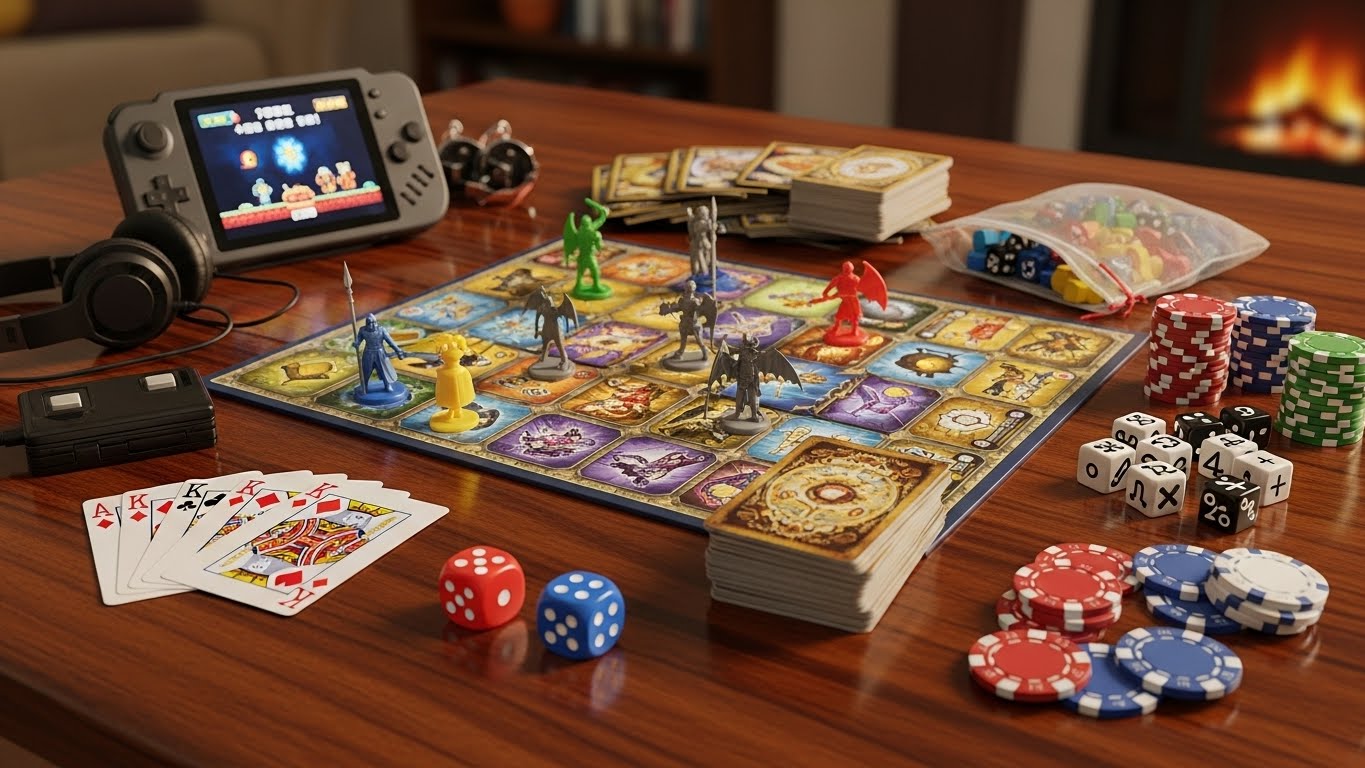
Games have been an inseparable part of human culture since the dawn of civilization. They entertain, teach, and connect people across boundaries of age, culture, and language. From ancient board games carved into stone to the immersive digital worlds we explore today, gaming has continuously evolved while retaining its central purpose — to bring joy and challenge to the human mind. In this ever-changing world, games are more than just entertainment; they are reflections of creativity, strategy, and human connection.
The Origins of Play and the Birth of Games
Before the age of consoles, controllers, and computers, games existed as a form of social and mental exercise. Archaeologists have discovered evidence of ancient games such as Senet in Egypt, which dates back over 5000 years. These early forms of play were not just for fun; they held spiritual, educational, and social significance.
Games were a way to teach strategy, patience, and wisdom. Chess, originating in India, became a symbol of intellect and foresight, while Go in China represented balance and harmony. These traditional games encouraged players to think critically and plan ahead, traits that are still celebrated in gaming today. The spirit of play, it seems, has always been a universal human instinct — a way to simulate life’s challenges in a safe and enjoyable form.
The Transformation of Games in the Modern Age
The 20th century brought technological innovation that transformed gaming forever. The invention of video games in the mid-1900s marked a revolutionary shift. Early games like Pong and Space Invaders may have been simple by today’s standards, but they ignited a passion for digital play.
As technology advanced, so did the depth and realism of games. The introduction of personal computers, gaming consoles, and mobile devices expanded the reach of gaming to every corner of the world. No longer confined to arcades, games entered homes, schools, and even workplaces. What was once a casual hobby became a multi-billion-dollar global industry that now surpasses movies and music in revenue.
The Power of Storytelling in Games
Modern games are more than mechanical challenges — they are powerful storytelling mediums. Games like The Legend of Zelda, The Witcher 3, and Red Dead Redemption 2 weave narratives rich in emotion, philosophy, and adventure. Players are no longer mere spectators; they are active participants in shaping the story.
Unlike films or books, games allow players to influence outcomes through choices, fostering a sense of agency and immersion. The emotional depth of modern gaming experiences can evoke joy, sadness, fear, and empathy. This interactivity makes games one of the most engaging forms of storytelling ever created.
The Social Connection Through Gaming
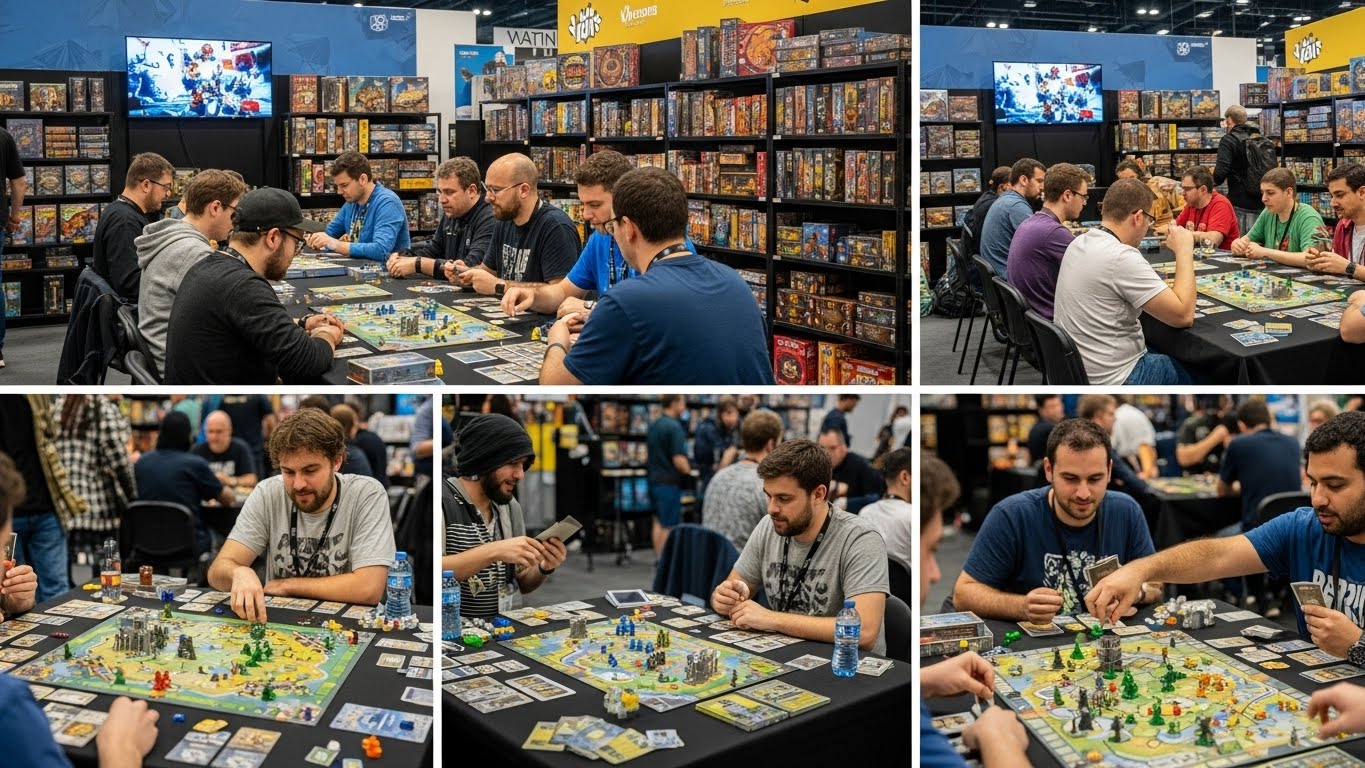
Once seen as solitary entertainment, games have evolved into global social networks. Multiplayer experiences allow people from different countries and cultures to connect, communicate, and collaborate. Whether through cooperative missions, competitive matches, or creative collaborations, gaming builds communities that transcend geography.
Games like Minecraft and Fortnite have become digital meeting spaces where players not only play but also socialize, create, and share experiences. Friendships are formed, teamwork is strengthened, and people learn to coordinate strategies in real-time. This social dimension of gaming has turned it into a modern form of cultural exchange, fostering communication and understanding among players worldwide.
The Educational and Cognitive Value of Games
Contrary to outdated beliefs, games are not mindless distractions. In fact, they have been shown to improve various cognitive and problem-solving skills. Strategy games sharpen analytical thinking and planning, while action games enhance reflexes, hand-eye coordination, and multitasking abilities.
Educational games are also being used in classrooms to make learning more interactive and engaging. They teach subjects like mathematics, history, and science through creative gameplay. Simulation games, such as city-building or management games, develop strategic thinking, decision-making, and creativity. Even virtual reality games are being used in training environments for doctors, pilots, and engineers.
Games encourage persistence and adaptability. Losing a level or failing a mission teaches resilience, as players must analyze their mistakes and try again. This process mirrors real-life learning and problem-solving, demonstrating that games can be powerful tools for personal and intellectual growth.
The Psychology Behind the Love of Games
Why do people love games so much? The answer lies in human psychology. Games tap into the brain’s reward system, providing satisfaction and pleasure through achievement and progress. Each victory, no matter how small, releases dopamine, creating a sense of accomplishment.
Games also provide a sense of control and structure in a chaotic world. They offer clear rules, goals, and feedback — elements that many real-life situations lack. This structured challenge gives players a sense of mastery and competence.
Moreover, games provide escapism, allowing individuals to experience adventures, roles, and emotions they might never encounter in real life. From saving kingdoms to managing empires, gaming offers the thrill of exploration and the comfort of control.
The Rise of Esports: Where Competition Meets Entertainment
The modern gaming landscape has given birth to a phenomenon known as esports. Competitive gaming has become a global spectacle, attracting millions of viewers and offering professional players fame and fortune. Esports tournaments rival traditional sports in viewership, with fans cheering for their favorite teams and players.
Titles like League of Legends, Dota 2, and Counter-Strike have built entire ecosystems of professional competition. Players train for hours, strategize with teams, and perform under immense pressure — much like athletes in physical sports. This legitimization of gaming as a professional career has changed perceptions of play, proving that gaming requires skill, discipline, and teamwork.
The Mobile Gaming Revolution
The rise of smartphones brought gaming into everyone’s hands. Mobile games have democratized the gaming experience, allowing people from all walks of life to play regardless of location or hardware. Casual games like Candy Crush and Clash of Clans have reached billions of users worldwide.
Mobile gaming has also blurred the line between casual and hardcore gaming. Many mobile games now offer deep mechanics, online competition, and console-quality graphics. This accessibility ensures that gaming remains one of the most inclusive forms of entertainment in human history.
Cultural Influence and Artistic Expression in Games
Games have grown into a legitimate art form, blending visual design, music, storytelling, and interactivity. The artistry of games can be seen in their breathtaking landscapes, complex characters, and emotional soundtracks. Developers and designers are now recognized as artists and storytellers whose work inspires millions.
Gaming culture also influences fashion, language, and media. Iconic characters such as Mario, Sonic, and Lara Croft have become cultural symbols. Gaming-inspired art, music, and film continue to expand the influence of games in everyday life.
Moreover, games serve as platforms for creativity. Many games allow players to build, design, and express themselves freely. This creative empowerment has turned gaming into a participatory art form where the audience becomes part of the creation.
The Economic Impact of the Gaming Industry
Gaming is now one of the most powerful sectors in the global economy. It generates billions of dollars annually and supports a vast network of developers, designers, musicians, writers, and engineers. The demand for innovation drives technological progress in hardware and software, influencing industries beyond entertainment.
Streaming platforms and online communities have created new economic opportunities for content creators. Gamers can earn livelihoods through streaming, coaching, and content creation. This expansion has transformed gaming into both a cultural and financial powerhouse.
The Future of Gaming: Innovation Without Limits
The future of games promises even greater innovation. Technologies like virtual reality, augmented reality, and artificial intelligence are redefining what it means to play. Virtual reality immerses players in fully interactive worlds, while AI creates adaptive environments that respond intelligently to player behavior.
Cloud gaming eliminates hardware barriers, allowing anyone with an internet connection to play high-quality games. Meanwhile, the blending of real and virtual worlds through augmented reality opens new frontiers for exploration and creativity.
In the years to come, games may evolve into fully personalized experiences, adjusting dynamically to each player’s emotions and choices. The potential for storytelling, education, and global connection in gaming is virtually limitless.
Conclusion
Games have come a long way from their humble beginnings, but their essence remains unchanged. They are about challenge, creativity, and connection. They entertain, educate, and inspire millions across the globe. In every era, games have reflected the human desire to explore, to learn, and to grow.
As technology advances, games will continue to shape our minds and societies. Whether on a screen or a board, in virtual worlds or real-life interactions, the power of play endures. Games remind us that imagination has no limits and that within every player lies the potential to create, to conquer, and to connect. The world may change, but the joy of the game will forever remain timeless.