






Introduction: The Timeless Appeal of Games
Games have been part of human culture for thousands of years. From ancient board games carved from stone to the latest interactive digital experiences, games captivate us by offering challenges, entertainment, and social connection. They are not just pastimes but powerful tools for learning, creativity, and community-building.
In this blog, we will explore the evolution of games, their different types, their impact on individuals and society, and the exciting directions games are heading toward in the future.
The History of Games: From Ancient Origins to Modern Entertainment
Games are as old as civilization itself. Archaeologists have found evidence of early games like Senet in ancient Egypt and Go in China, dating back thousands of years. These games were not only sources of entertainment but also held religious, educational, or strategic significance.
As societies developed, games diversified. The Middle Ages saw the rise of chess, a game of strategy and intellect that spread across continents. Traditional games reflected culture and values and often acted as social glue.
The invention of computers in the 20th century revolutionized gaming. The introduction of video games in the 1970s brought about a new era of interactive entertainment. Titles like Pong, Space Invaders, and Pac-Man became global sensations, shaping the future of gaming culture.
Types of Games: A Diverse Spectrum
Games today come in many forms, each appealing to different interests and styles of play. Here’s a breakdown of major game categories:
Board Games and Card Games
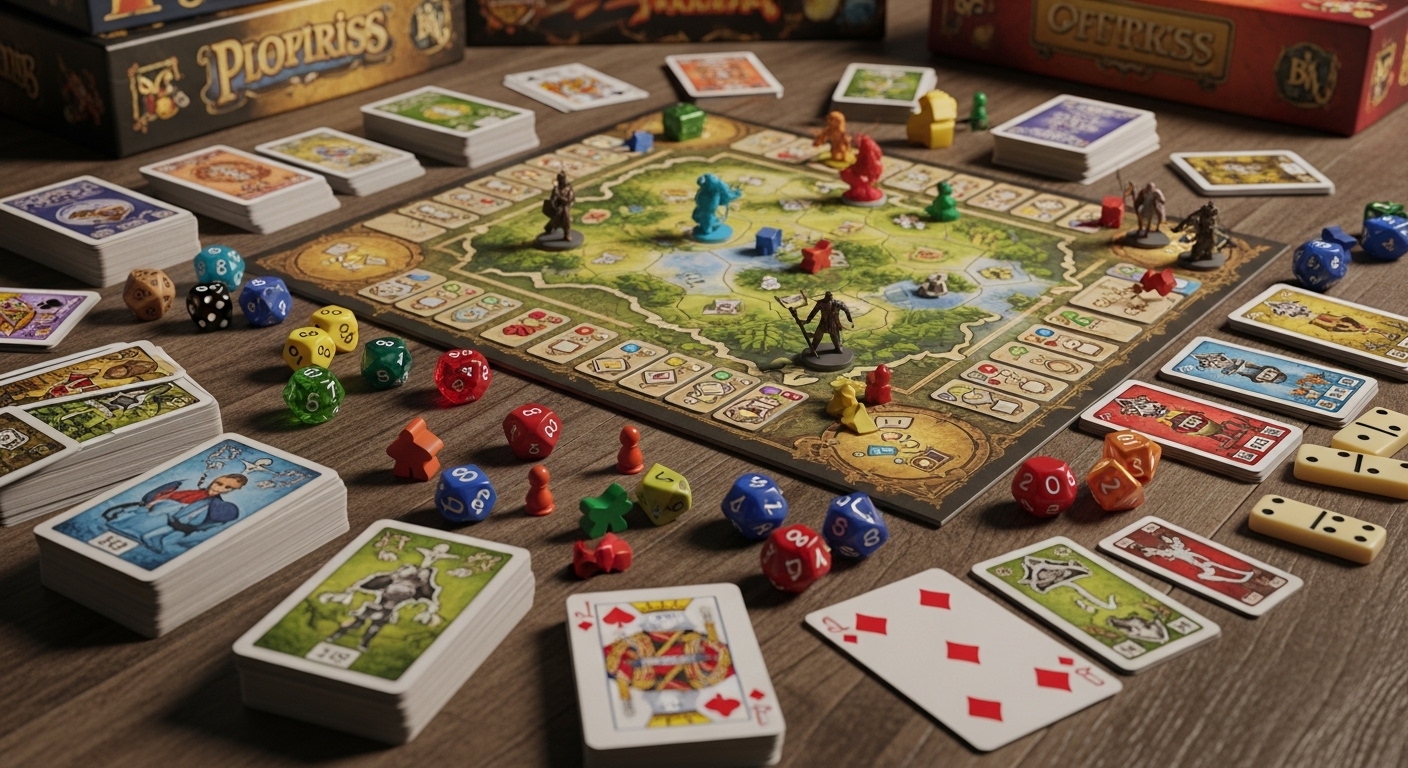
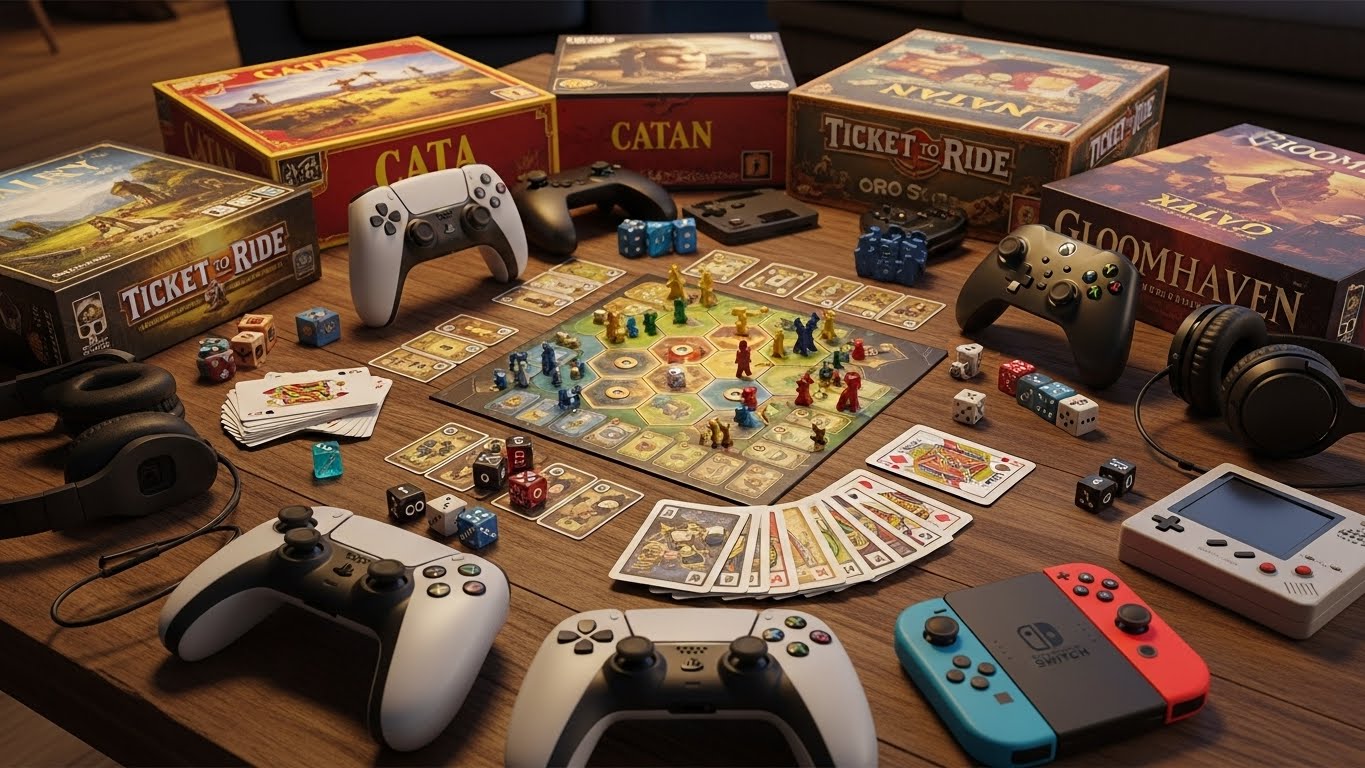
These are the classics. Games like Monopoly, Scrabble, and Poker combine strategy, chance, and social interaction. Board games encourage face-to-face engagement and have seen a renaissance with modern, innovative designs.
Video Games
Digital games have transformed the entertainment landscape. They range from simple mobile games to complex multiplayer online role-playing games (MMORPGs). Genres vary widely, including action, adventure, puzzle, simulation, sports, and narrative-driven games.
Sports and Physical Games
Traditional sports like soccer, basketball, and tennis involve physical skill and competition. These games promote fitness, teamwork, and sportsmanship.
Role-Playing and Tabletop Games
These games, such as Dungeons & Dragons, involve storytelling, imagination, and collaborative problem-solving. Players take on roles in fictional settings, creating rich narratives together.
Puzzle and Strategy Games
These games challenge the mind. Titles like Sudoku, chess, and contemporary strategy video games require critical thinking and planning.
The Psychological and Social Benefits of Playing Games
Playing games is not just fun—it offers numerous benefits. Psychologically, games can improve cognitive functions such as memory, attention, and problem-solving skills. They often require strategic thinking, decision-making under pressure, and adapting to new challenges.
Socially, games provide opportunities to build relationships and teamwork. Multiplayer games, whether in person or online, foster cooperation, communication, and shared goals. Games can reduce stress and serve as a healthy form of escapism.
Games also build resilience by teaching players how to cope with failure and try again. This persistence is valuable both inside and outside of gameplay.
Games as Tools for Learning and Development
Games are powerful educational tools. They create immersive experiences where players learn by doing rather than passive absorption. Educational games make difficult subjects accessible and engaging for learners of all ages.
Serious games and simulations are used in fields such as medicine, military training, and aviation to provide safe environments for practicing complex skills.
Moreover, games encourage creativity and innovation. Many game mechanics involve experimentation, exploration, and problem-solving, fostering a growth mindset.
The Cultural Impact of Games
Games have become cultural phenomena that influence art, music, fashion, and storytelling. Iconic characters and worlds from games inspire fan art, cosplay, and conventions that attract thousands of enthusiasts.
Gaming culture also includes esports, where competitive gaming has gained legitimacy akin to traditional sports. Professional gamers and teams enjoy global followings and high-stakes tournaments.
Games often reflect societal themes and challenges. They can address issues such as identity, morality, and social justice, offering players a space to explore complex ideas.
The Future of Games: Innovation and Inclusivity
The future of games promises exciting innovation. Emerging technologies like virtual reality and augmented reality will create increasingly immersive experiences. Artificial intelligence will enable more dynamic and personalized gameplay.
Accessibility and inclusivity are becoming priorities. Developers are designing games that accommodate diverse players, including those with disabilities. Representation in characters and stories is improving, making games welcoming for all backgrounds.
Mobile and cloud gaming will continue to expand, making games accessible anywhere, anytime. The blending of gaming with social media and streaming platforms will further integrate games into daily life.
Conclusion: Why Games Matter
Games are more than just a way to pass time—they are a vital part of human culture that entertain, educate, and connect. As technology and creativity push the boundaries of what games can be, their impact will only grow.
Whether you enjoy strategy, storytelling, sports, or social play, games offer endless opportunities for engagement and growth. Embracing games means embracing fun, challenge, and community in a form that has been evolving alongside humanity itself.