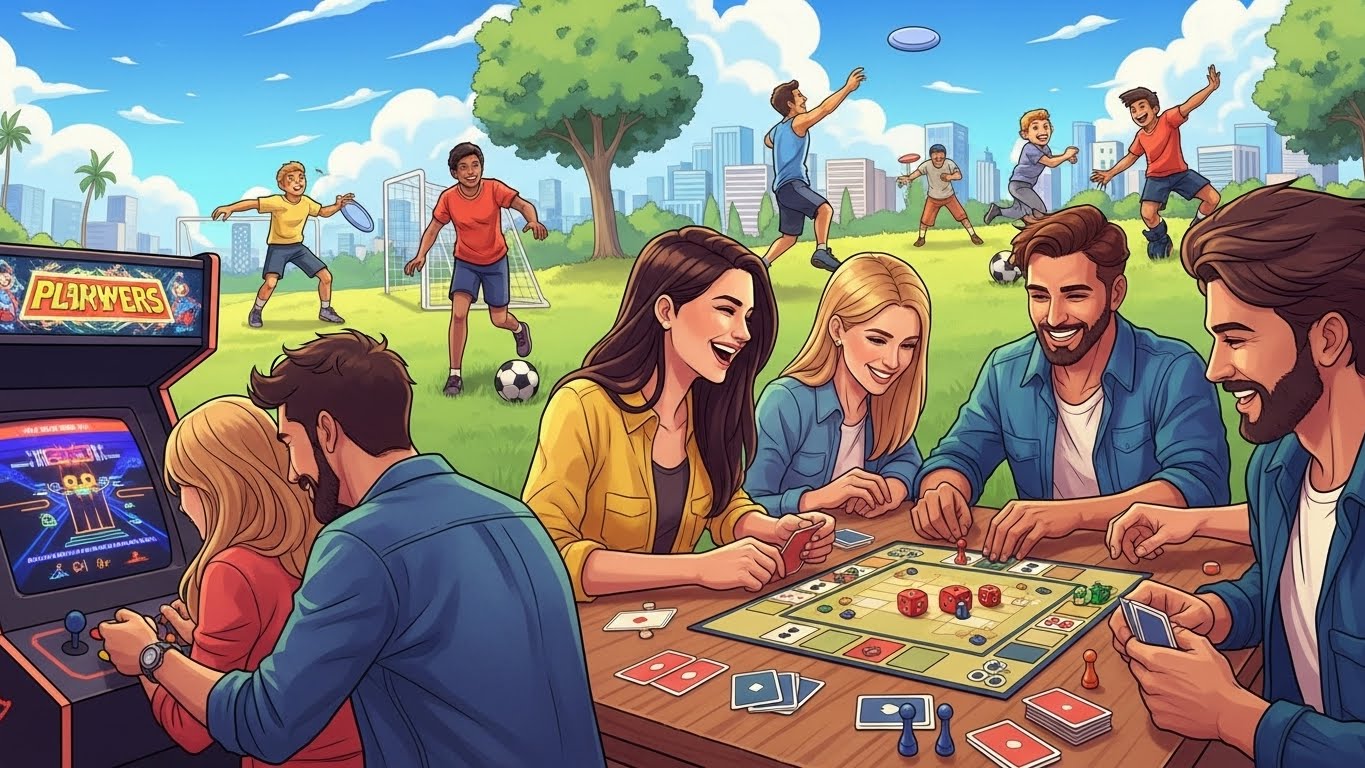







In recent years, gaming has emerged as one of the most influential forms of entertainment. From simple pixelated games of the early ’80s to the immersive, high-definition experiences of today, the gaming industry has undergone a dramatic transformation. This evolution has not only changed the way we perceive entertainment but has also left a significant mark on society, culture, and technology.
The Dawn of Gaming: A Brief History
The history of video gaming dates back to the late 1950s and early ’60s when the first rudimentary games were created. These early prototypes were often designed as simple educational tools or experimental endeavors rather than the commercial products we know today. The first commercially successful video game, Pong, was released in 1972 by Atari, and it marked the beginning of the video game industry’s global expansion.
As technology advanced, so did the complexity and scope of video games. In the 1980s, the arcade boom took hold, with games like Pac-Man, Space Invaders, and Donkey Kong becoming household names. These games captivated players with their colorful graphics, simple gameplay, and competitive spirit. In the following decades, consoles like the Nintendo Entertainment System (NES), Sega Genesis, and Sony PlayStation further established gaming as a dominant form of entertainment, one that would continue to evolve and grow.
The Rise of Online Gaming and Multiplayer Experiences
By the late ’90s and early 2000s, gaming had expanded into the realm of online connectivity. Titles like Warcraft, Quake, and Unreal Tournament helped to shape the foundations of the online multiplayer experience, allowing players to connect with others across the globe and engage in competitive and cooperative play. The ability to interact with strangers, form teams, and compete in real-time was revolutionary, making gaming more social than ever before.
In the mid-2000s, the introduction of the Xbox Live service and PlayStation Network allowed players to play games with others seamlessly over the internet. Games like Halo 2, Call of Duty 4: Modern Warfare, and World of Warcraft became cultural phenomena, attracting millions of players worldwide. The social aspect of gaming was now undeniable, with players forming lasting friendships and communities centered around their favorite games.
Gaming’s Expanding Reach: Mobile and Casual Gaming
As technology continued to advance, gaming became more accessible than ever. The advent of smartphones in the late 2000s gave rise to mobile gaming, a platform that has revolutionized the industry. Games like Angry Birds, Candy Crush Saga, and Pokémon GO introduced millions of casual gamers to the world of video games, offering easy-to-pick-up experiences that could be enjoyed in short bursts.
Mobile gaming has made it possible for people to game anywhere and anytime, with players enjoying gaming experiences during commutes, on breaks, or even while waiting in line. The accessibility of mobile gaming has also contributed to the massive growth of the gaming industry, with millions of new players entering the market each year. The free-to-play model, which often includes in-game purchases, has also allowed developers to reach a wider audience, further cementing gaming’s place in mainstream culture.
The Role of Storytelling in Modern Gaming
One of the most significant changes in the world of gaming is the growing importance of storytelling. While early games focused primarily on gameplay mechanics and high scores, modern games increasingly prioritize narrative, character development, and emotional engagement.
Games like The Last of Us, Red Dead Redemption 2, God of War, and The Witcher 3 have shown that video games can tell stories on par with films and literature. These games often feature complex, multi-layered plots, well-developed characters, and thought-provoking themes that resonate deeply with players. The integration of cinematic cutscenes, voice acting, and immersive world-building has allowed developers to create experiences that can evoke strong emotional responses from players.
In many ways, the modern gaming industry has become an extension of the entertainment industry as a whole, blending aspects of film, television, and literature with interactive gameplay. This blending of mediums has led to a more diverse and sophisticated gaming landscape, appealing to a wider range of audiences and pushing the boundaries of what is possible within the medium.
The Social Impact of Gaming
Beyond entertainment, gaming has had a profound impact on society. The social aspect of gaming has fostered a sense of community, with millions of players engaging with each other through online multiplayer games, social media platforms, and forums. Gaming has also played a significant role in breaking down geographical and cultural barriers, enabling players from all over the world to connect, collaborate, and compete.
Esports, the competitive gaming industry, has seen exponential growth in recent years. Professional gamers now have the opportunity to compete for large cash prizes and gain sponsorships, with some even becoming celebrities in their own right. The rise of streaming platforms like Twitch and YouTube has allowed gamers to broadcast their gameplay to millions of viewers, further cementing gaming’s place in popular culture.
Moreover, gaming has provided a platform for diverse voices and stories to be heard. Indie developers, in particular, have found success in creating games that explore unique themes, represent marginalized groups, and offer fresh perspectives. Titles like Celeste, Hades, and Life is Strange have tackled issues such as mental health, LGBTQ+ representation, and social justice, contributing to a more inclusive and diverse gaming community.
The Psychological Benefits and Risks of Gaming
While gaming offers numerous benefits, it also comes with its share of challenges. On the positive side, studies have shown that gaming can improve cognitive function, hand-eye coordination, and problem-solving skills. Games that require strategic thinking, quick reflexes, and multitasking can help sharpen mental acuity and improve decision-making abilities.
Moreover, gaming has proven to be a valuable tool for stress relief and relaxation. Many players turn to video games as a way to unwind after a long day, as the immersive nature of gaming can help distract from everyday worries and provide an escape into virtual worlds. For some, gaming has even become a form of social interaction, allowing them to connect with friends and form supportive communities.
However, excessive gaming can have negative consequences. Studies have shown that prolonged gaming sessions can lead to issues such as addiction, social isolation, and poor physical health. The rise of competitive gaming has also contributed to a culture of “gaming toxicity,” where players engage in toxic behavior such as trolling, harassment, and bullying. These issues highlight the need for responsible gaming practices and moderation within online communities.
The Future of Gaming: What Lies Ahead
As technology continues to evolve, the future of gaming looks incredibly promising. Virtual reality (VR) and augmented reality (AR) are expected to play a significant role in shaping the next generation of gaming experiences. VR has the potential to create even more immersive worlds, where players can interact with their environment and characters in ways that were once unimaginable. Similarly, AR games like Pokémon GO have shown the potential for blending the digital and physical worlds, creating unique and engaging experiences that push the boundaries of traditional gaming.
Cloud gaming is another area poised for growth. With services like Google Stadia, Microsoft’s xCloud, and Nvidia GeForce Now, players can access high-quality games without the need for expensive hardware. This could democratize gaming even further, allowing players from all backgrounds to enjoy high-end gaming experiences on any device with an internet connection.
Artificial intelligence (AI) is also expected to have a significant impact on gaming. AI-driven characters, non-playable interactions, and dynamic storylines are set to create more personalized and adaptive gameplay experiences. AI could also enhance game design, allowing for more sophisticated NPC behaviors, responsive environments, and even procedural content generation, where each player’s experience is unique.
Conclusion: Gaming as a Cultural Phenomenon
Gaming has come a long way from its humble beginnings. What was once a niche hobby has become a cultural phenomenon that transcends age, gender, and nationality. Today, gaming is not just about playing; it’s about connecting, competing, creating, and experiencing new worlds.
As technology continues to evolve, the gaming industry will undoubtedly continue to expand and diversify. Whether it’s through virtual reality, cloud gaming, or the integration of AI, the future of gaming promises to be as exciting and dynamic as ever. For players and creators alike, the world of gaming offers endless possibilities—continuing to shape and redefine entertainment in the 21st century.
Gaming is no longer just a pastime; it is an integral part of modern culture that brings people together, challenges perceptions, and sparks creativity. In the end, gaming is about more than just winning or losing—it’s about the experiences, memories, and connections that players build along the way. And as the industry continues to evolve, the future of gaming remains bright and full of promise.