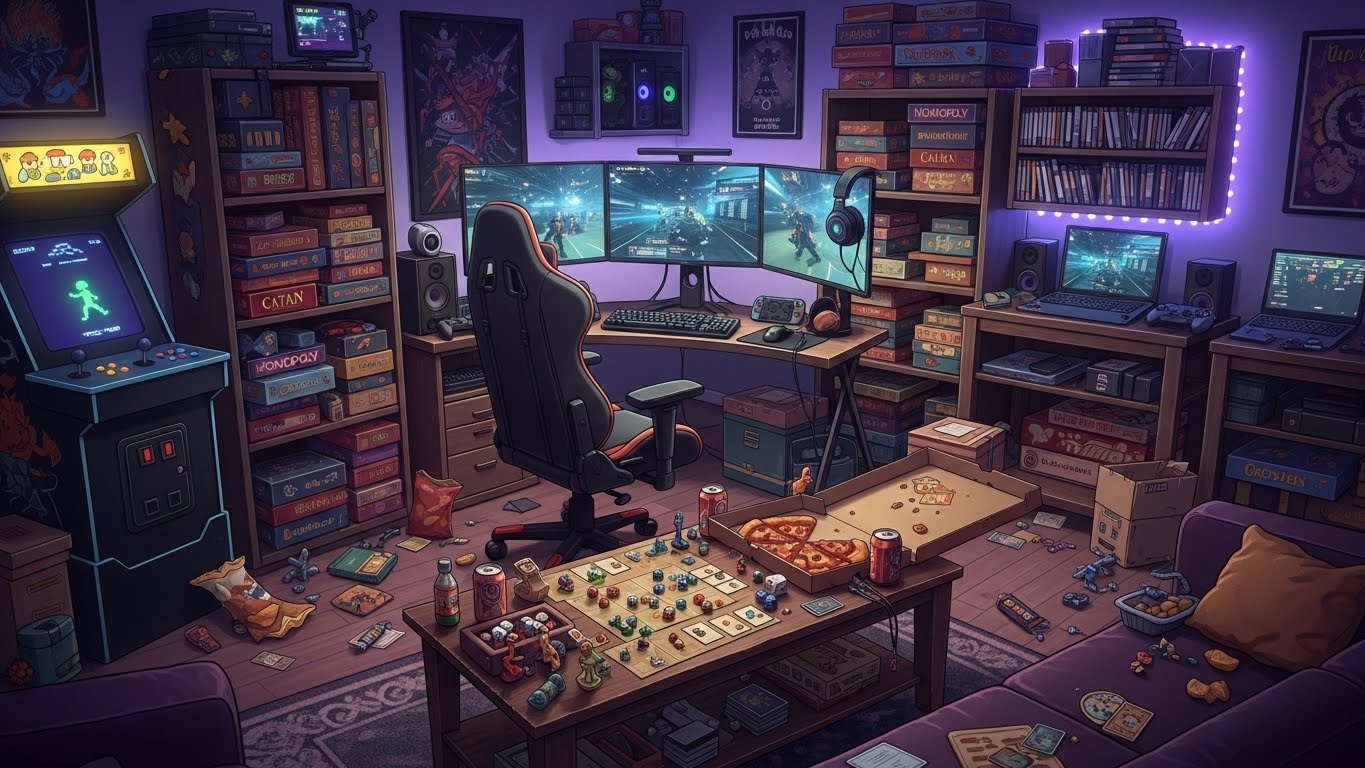







Video games have long been a source of entertainment, but they have evolved into much more than just a pastime. Today, gaming is a multi-billion-dollar industry that influences culture, education, technology, and even social dynamics. From casual mobile games to massive online multiplayer worlds, games have become an integral part of our daily lives. In this blog post, we’ll explore the diverse ways that video games impact our world and why they deserve more recognition as a force for good.
The Evolution of Gaming: From Pixels to Immersion
Gaming has come a long way since the days of 8-bit graphics and simple mechanics. The early arcade games, such as Pac-Man and Space Invaders, were simple but addictive, drawing players into pixelated worlds filled with challenges and rewards. As technology advanced, so did the complexity of games. Consoles like the Nintendo 64 and PlayStation brought 3D environments, while personal computers enabled the creation of massive worlds in games like The Sims and World of Warcraft.
Today, games are more immersive than ever. Cutting-edge graphics, intricate storylines, and expansive open worlds have transformed gaming into a form of interactive storytelling. With the rise of virtual reality (VR) and augmented reality (AR), the boundaries between the game world and reality are becoming increasingly blurred, offering players experiences that feel real and engaging in new ways.
The Social Impact of Gaming: Building Communities
One of the most significant changes in gaming over the past decade has been the rise of online multiplayer games. Titles like Fortnite, Call of Duty, and Among Us have brought together millions of players worldwide, creating vast, interconnected communities. These games allow people to form friendships, join teams, and collaborate on missions, all while competing for glory or simply having fun.
Gaming has evolved from a solitary activity into a social experience that transcends geographical boundaries. Players from different countries and cultures can unite to take on challenges, share experiences, and celebrate victories. This social aspect of gaming has also paved the way for esports, where professional gamers compete for massive prizes in front of global audiences. Esports has become a legitimate career path, attracting sponsorships, broadcasting deals, and an ever-growing fanbase.
Educational Games: Learning Through Play
While video games are often associated with entertainment, they also offer powerful educational benefits. Many games are designed to teach players problem-solving skills, critical thinking, and teamwork, all while keeping them engaged and entertained. Games like Portal and The Witness require players to solve intricate puzzles, stimulating the brain and encouraging creative solutions.
In addition to problem-solving, games can teach historical events, improve language skills, and enhance knowledge in science and mathematics. Assassin’s Creed, for example, is known for its historical accuracy, allowing players to explore ancient cities like Renaissance Florence and Ancient Egypt. Similarly, Kerbal Space Program teaches players about rocket science and space exploration in a fun and interactive way.
Educational games are increasingly being used in schools and classrooms to enhance traditional learning methods. By incorporating games into the curriculum, educators can engage students in a way that traditional textbooks often cannot, creating an interactive environment that fosters learning through play.
Games as Emotional Expression: Connecting Through Stories
One of the most powerful aspects of gaming is its ability to convey deep emotional stories. Games like The Last of Us and Journey offer players experiences that are emotionally rich and thought-provoking. These games immerse players in narratives that explore themes of love, loss, survival, and friendship, often evoking real emotions in ways that traditional media like movies or books can’t.
The interactive nature of video games allows players to become active participants in the story, making the experience more personal and impactful. The emotional depth that many games now offer has helped elevate gaming into an art form, with developers focusing not only on gameplay mechanics but also on storytelling and character development.
Gaming has become a medium through which creators express their ideas and emotions, and through these games, players can connect with one another on a deeply personal level. This emotional connection is one reason why video games have become such a beloved and lasting form of entertainment.
The Rise of Mobile Gaming: Gaming On the Go
While traditional gaming consoles and PCs have dominated the gaming industry for years, mobile gaming has seen explosive growth in recent times. With the rise of smartphones and tablets, people can now enjoy games wherever they go. Mobile games like Candy Crush Saga, Clash Royale, and Pokémon GO have become global phenomena, attracting players of all ages and backgrounds.
Mobile gaming has made gaming more accessible than ever before. No longer are gamers required to own expensive consoles or powerful PCs to enjoy immersive experiences. Instead, mobile games offer bite-sized entertainment, often free to play, allowing players to fit gaming into their busy schedules. Moreover, the rise of mobile gaming has led to the development of new types of games, such as location-based games and augmented reality experiences.
The Future of Gaming: Virtual Reality, AI, and Beyond
The future of gaming is filled with exciting possibilities. Virtual reality (VR) and augmented reality (AR) are already changing how we experience games, and they will continue to evolve in the coming years. VR headsets allow players to fully immerse themselves in game worlds, offering a sense of presence and interaction that was once impossible. As the technology becomes more affordable and accessible, we can expect VR gaming to become a mainstream experience.
Artificial intelligence (AI) is also playing an increasingly important role in the development of games. AI-powered non-playable characters (NPCs) are becoming more realistic and responsive, offering players a more dynamic and lifelike experience. In addition, AI is being used to personalize game experiences, tailoring challenges and storylines to individual players based on their preferences and actions.
As technology continues to advance, we may also see the rise of cloud gaming, where players can stream games directly from the cloud without needing expensive hardware. This could make high-quality gaming more accessible, allowing anyone with an internet connection to play the latest titles without investing in powerful gaming rigs.
Conclusion: Gaming as a Cultural Force
Video games have grown from a niche hobby into a global cultural phenomenon. They are no longer just about high scores and level-ups—they are a medium through which we learn, socialize, express emotions, and experience new worlds. Whether through the emotional depth of storytelling, the thrill of online competition, or the educational value of interactive play, games have become an integral part of modern life.
As gaming continues to evolve, it will undoubtedly continue to shape and influence society in new ways. From entertainment to education, gaming’s impact is far-reaching and its potential is limitless. The next generation of gamers will not only play—they will innovate, create, and inspire in ways we can only begin to imagine.